
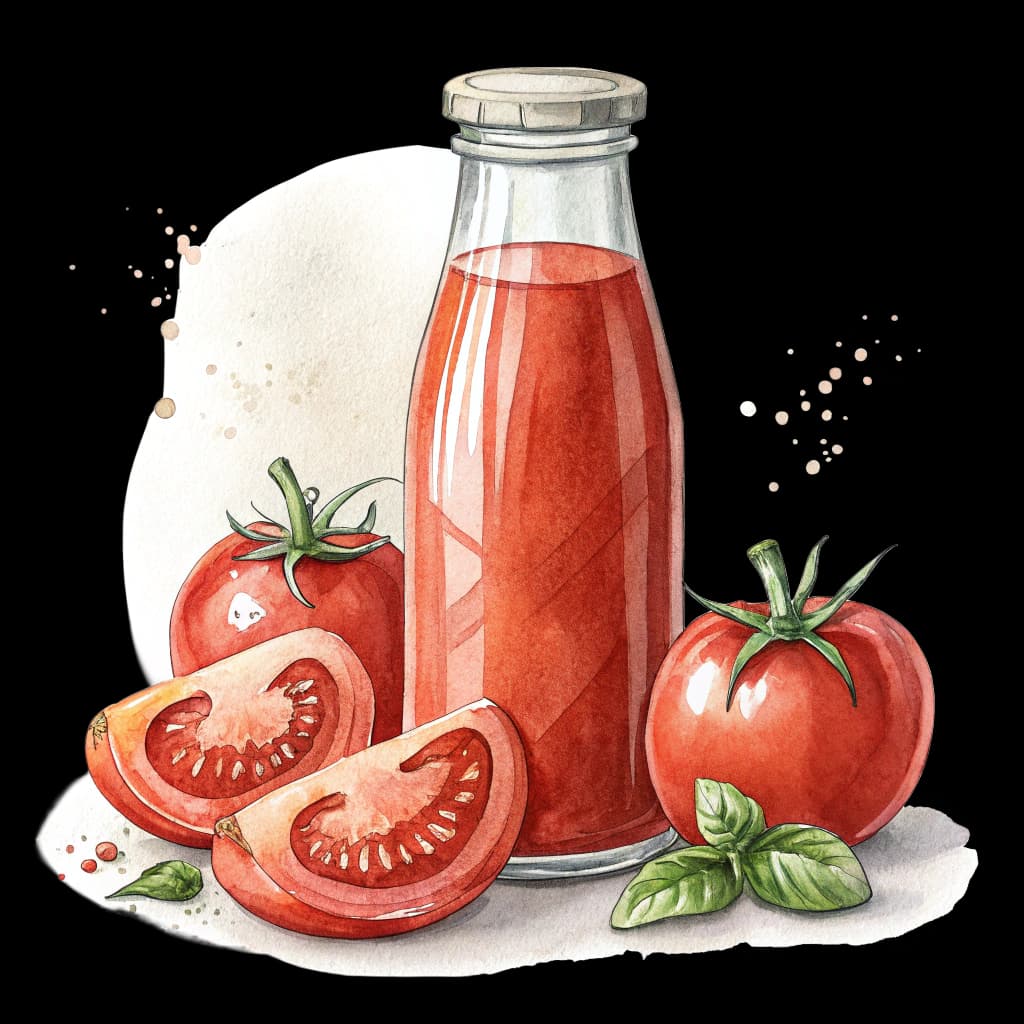
Tomato Juice
Nutrition (per 100 g)
- Calories
- 17
- Protein (g)
- 0.85
- Fat (g)
- 0.29
- Carbs (g)
- 3.53
- Fiber (g)
- —
- Sodium (mg)
- —
Values vary by salt content and whether made from concentrate; seasoned versions can contain substantially more sodium.
Storage
- Room temp: up to 180 days
- Refrigerated: up to 7 days
- Frozen: up to 90 days
Tomato juice is the strained liquid from ripe tomatoes, typically smooth and red-orange. It tastes bright and tangy with gentle sweetness and soft pulp; it reduces to deepen color and umami. Use it to simmer soups and sauces, deglaze pans, braise meats, and blend into cocktails; sold bottled or canned, with salted, no-salt-added, and from-concentrate versions.
Commercial tomato juice grew in North America alongside canning in the early 20th century and spread globally through cocktail bars and home kitchens. Producers press ripe tomatoes, strain, standardize acidity, and pasteurize, sometimes reconstituting from concentrate.
&w=3840&q=75)

&w=3840&q=75)

&w=3840&q=75)
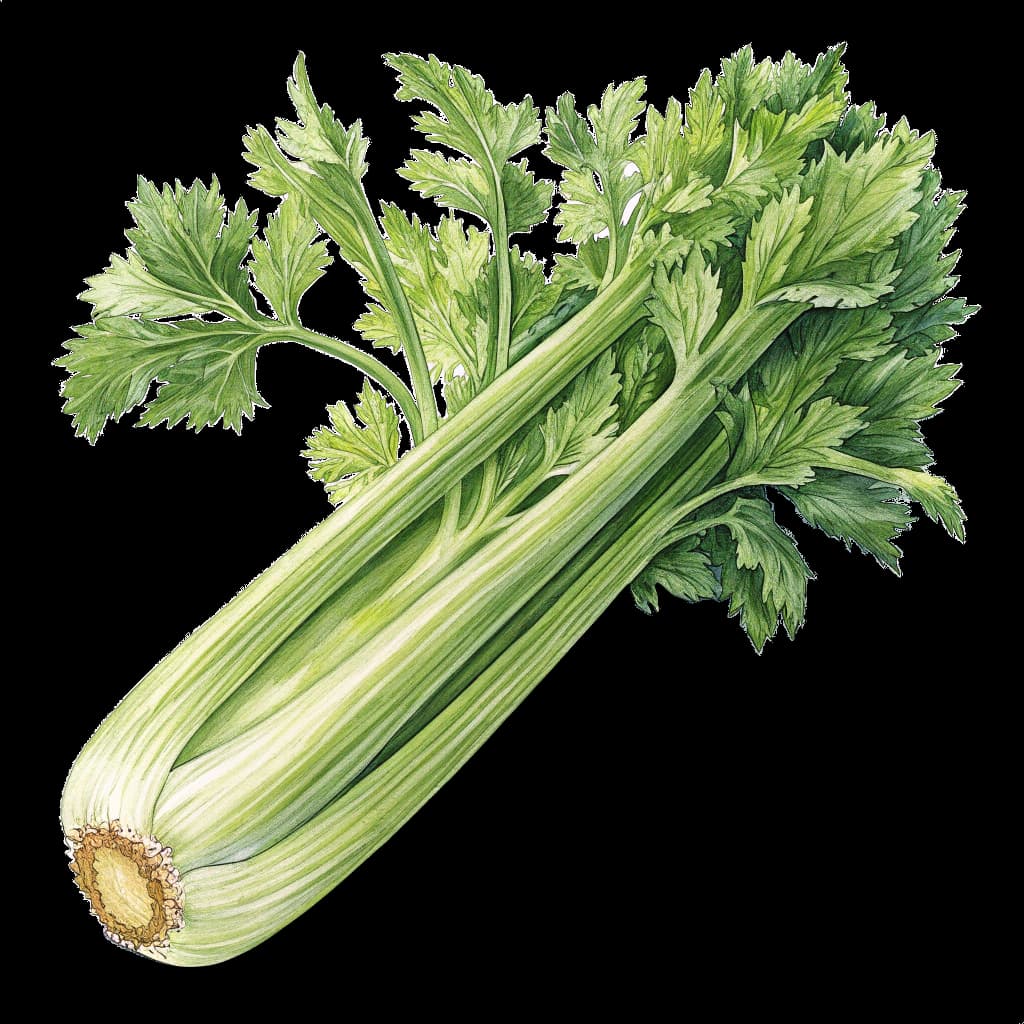
Substitutions
&w=3840&q=75)
&w=3840&q=75)
Recipes with Tomato Juice
Search on