
Pork Tenderloin

Ingredients

&w=3840&q=75)
- 1 1/2 pounds pork tenderloin – trimmed of silver skin (~1.5 n/a pork tenderloins)
- 2 teaspoons kosher salt
- 1 teaspoon black pepper – freshly ground
- 1 tablespoon olive oil
- 1 shallot – finely chopped
- 2 teaspoons fresh thyme – finely chopped
- 1 teaspoon fresh rosemary – finely chopped
- 1/4 cup dry white wine
- 1/2 cup chicken stock
- 1 tablespoon Dijon mustard
- 2 tablespoons unsalted butter

Instructions
1. Preheat the oven to 425°F (220°C). Trim the silver skin from the pork tenderloin, pat dry, and season all over with the kosher salt and black pepper; let stand at room temperature for 15 minutes.
2. Heat a large oven-safe skillet over medium-high until very hot, 2–3 minutes; add the olive oil and swirl. Sear the tenderloin on all sides until well browned, 6–8 minutes total.
3. Transfer the skillet to the oven and roast until the thickest part registers 140–145°F (60–63°C), 10–14 minutes, with the meat feeling slightly springy when pressed.
4. Move the meat to a cutting board, tent loosely with foil, and rest for 10 minutes to let the juices redistribute.
5. Set the skillet over medium heat. Add the shallot, thyme, and rosemary to the drippings and cook until translucent and fragrant, 1–2 minutes. Pour in the white wine, scraping up browned bits, and reduce by about half, 2–3 minutes. Stir in the chicken stock and Dijon mustard and simmer until slightly syrupy, 3–5 minutes; whisk in the butter off the heat.
6. Add any resting juices from the board to the pan sauce. Slice the meat into 1/2-inch medallions and serve immediately with the pan sauce spooned over.
&w=3840&q=75)
&w=3840&q=75)
&w=3840&q=75)
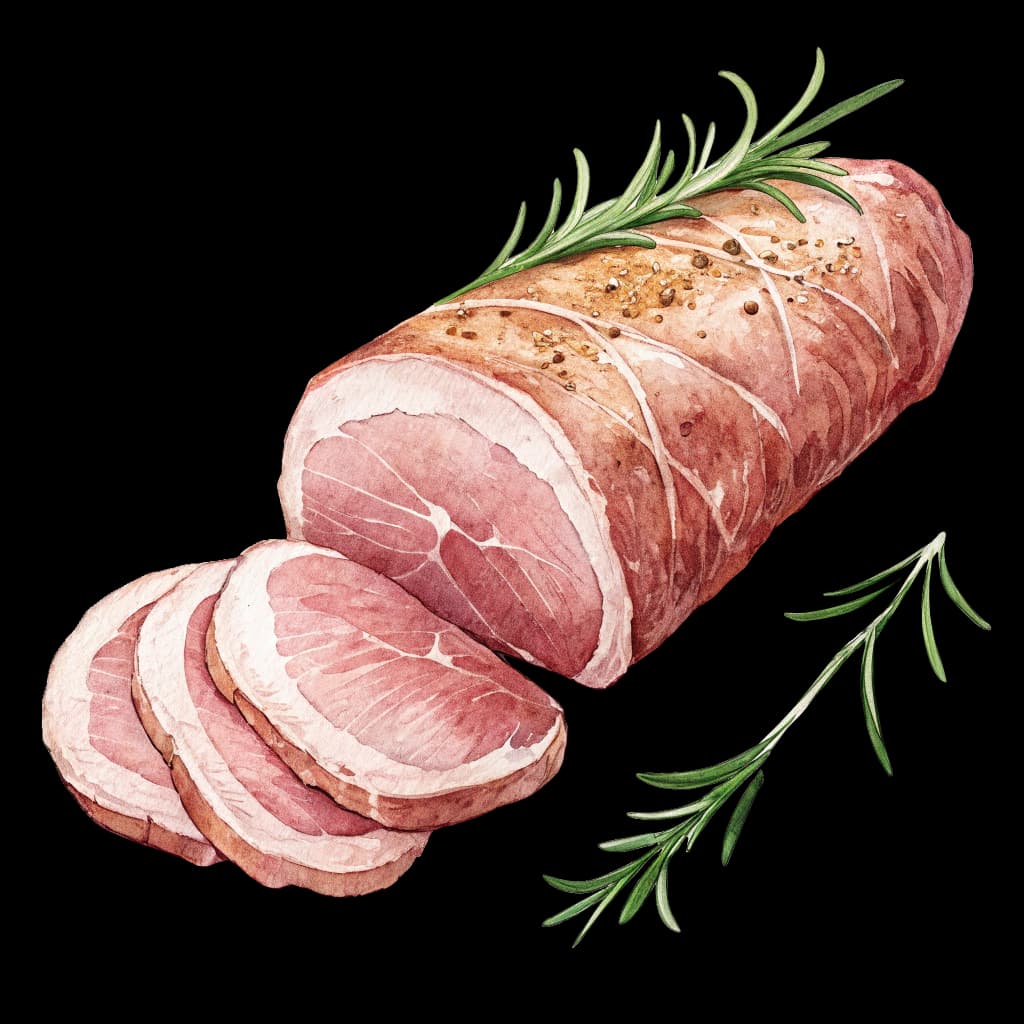
Pork tenderloin is a lean, mild cut that cooks quickly and stays tender when handled with care. Searing creates a savory crust while the interior remains juicy and blush-pink when cooked to medium doneness, making it an appealing centerpiece for weeknights and dinner parties alike. A simple pan sauce built from the roasting drippings adds depth, balancing the meat’s delicacy with savory, tangy notes.
This cut comes from the pig’s loin and is sometimes called filet mignon de porc in French. Its popularity grew with modern home ovens and reliable meat thermometers, which made quick, high-heat roasting practical. Today, sear-then-roast is the most common approach across Europe and North America, often paired with herb, mustard, wine, or fruit-based sauces that reflect regional tastes.