
Fermented Salsa

Ingredients
&w=3840&q=75)
&w=3840&q=75)
&w=3840&q=75)
- 2 pounds tomatoes – cored and 0.25-inch diced (~7.5 medium tomatos)
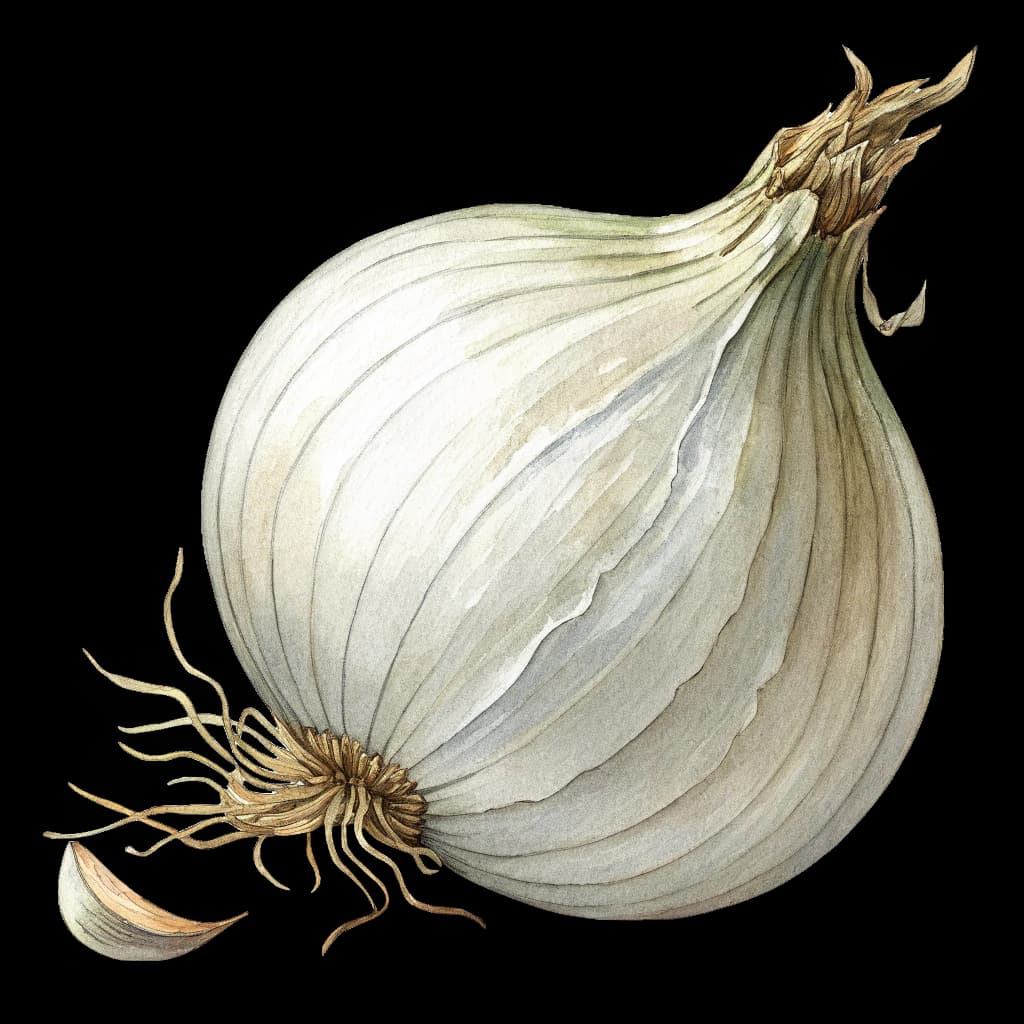
- 8 ounces white onion – finely chopped (~1.5 medium white onions)
- 3 each serrano chiles – stemmed and finely chopped
- 2 cloves garlic – minced
- 1 1/2 tablespoons fine sea salt
- cilantro – chopped (for serving)

Instructions
1. Wash and dry the tomatoes, onion, serrano chiles, and cilantro. Rinse a 1-quart glass jar, lid, and a fermentation weight (or a small food-safe bag filled with brine) with hot water and let air-dry.
2. Combine the diced tomatoes, chopped onion, chopped serrano chiles, and minced garlic in a large bowl. Sprinkle the fine sea salt over the mixture, toss thoroughly, and lightly crush with clean hands until the tomatoes start releasing juices, 2–3 minutes. Let sit 10 minutes to draw out more liquid.
3. Pack the mixture into the jar a few spoonfuls at a time, pressing firmly after each addition so the juices rise to cover the solids. Leave about 1 inch of headspace. Place the weight on top to keep all vegetables submerged. Wipe the rim and close with an airlock lid, or use a regular lid set on loosely.
4. Ferment at cool room temperature (65–75°F) out of direct sunlight until actively bubbling and pleasantly tangy, 2–5 days. If using a regular lid, burp the jar daily to release pressure. Keep solids submerged; skim any harmless surface yeast if it appears. The salsa is ready when the brine is lightly cloudy, aromas are bright and sour, and small bubbles are visible.
5. Remove the weight, stir the salsa, and taste. For a smoother texture, pulse a few times with an immersion blender or briefly in a blender. Transfer to the refrigerator to slow fermentation.
6. For fresh flavor, stir in chopped cilantro just before serving. Chill at least 1 day for flavors to meld. Keep refrigerated, ensuring solids stay below the brine; use within 2–4 weeks.
Fermented salsa is a bright, tangy take on a classic Mexican table sauce, with juicy tomatoes, bite from fresh chiles, gentle garlic warmth, and a lively, effervescent acidity created by lactic acid bacteria. The texture can range from chunky to lightly saucy, and the flavor deepens as it rests, gaining complexity beyond a quick raw salsa. It’s versatile on tacos, grilled meats, eggs, beans, and anything that benefits from acidity and freshness.
While salsas in Mexico are traditionally prepared fresh or roasted, fermentation is an age-old preservation technique that naturally fits the salsa format. Lacto-fermentation—salt plus time—encourages beneficial bacteria to produce lactic acid, which safely acidifies and preserves the sauce while adding a signature tang. Contemporary cooks have adopted this method to extend shelf life and layer flavor, echoing broader traditions of fermented vegetables found throughout the world while keeping the salsa’s core Mexican profile.