
Chermoula

Ingredients
&w=3840&q=75)
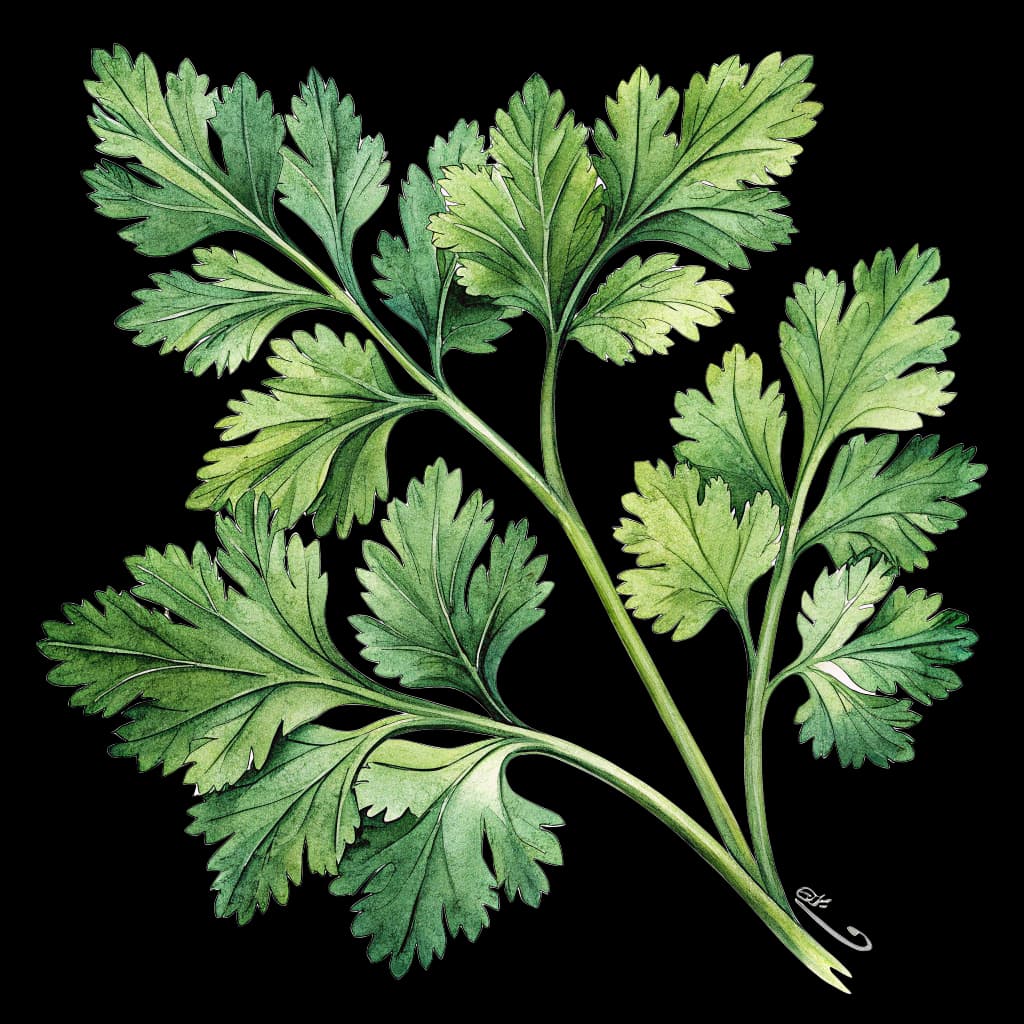
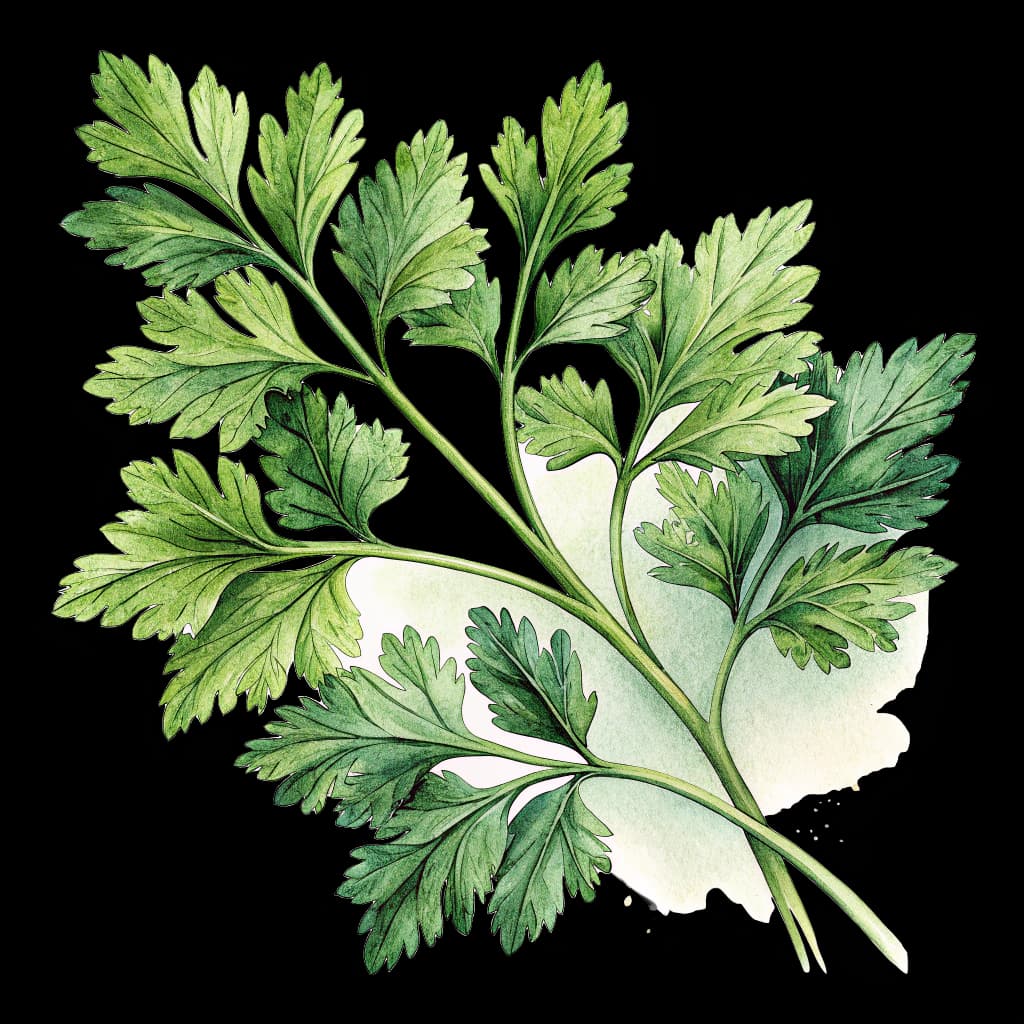
- 1 cup cilantro – packed, coarsely chopped
- 1 cup flat-leaf parsley – packed, coarsely chopped (~0.5 n/a parsleys)
- 4 cloves garlic – roughly chopped
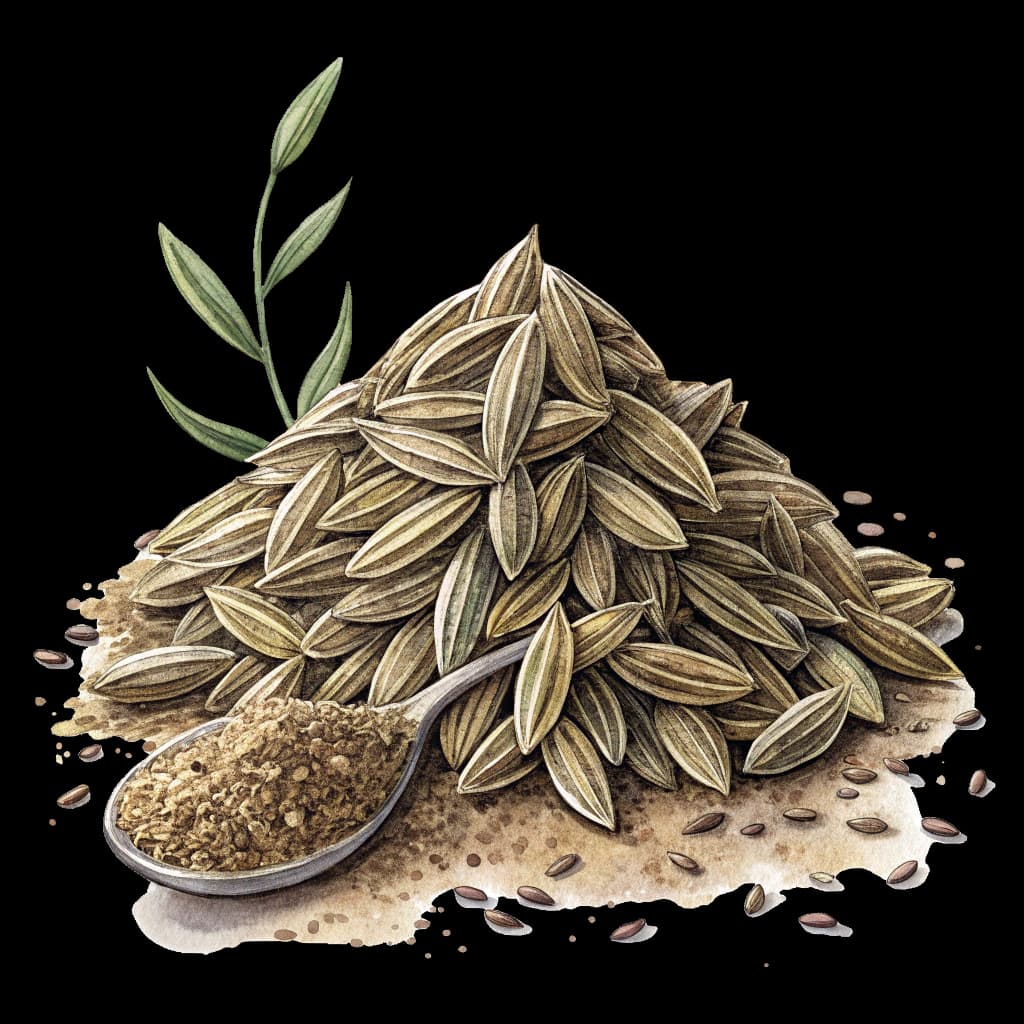
- 2 tsp ground cumin
- 1 tsp ground coriander
- 2 tsp sweet paprika
- 1/2 tsp cayenne pepper
- 1 tbsp preserved lemon – rind finely chopped
- 1 tsp lemon zest – finely grated
- 3 tbsp lemon juice – freshly squeezed
- 3/4 tsp kosher salt
- 1/2 tsp black pepper – freshly ground
- 1/2 cup extra-virgin olive oil

Instructions
1. Wash and dry the cilantro and parsley, then coarsely chop them and set aside.
2. In a large mortar, pound the garlic with the kosher salt to a smooth paste, 1–2 minutes.
3. Add the ground cumin, ground coriander, sweet paprika, cayenne pepper, and black pepper to the mortar and work them into the paste until fragrant, about 30 seconds.
4. Add the preserved lemon and the lemon zest and pound to combine, 30–60 seconds.
5. Add the cilantro and flat-leaf parsley in batches, pounding until a coarse, moist paste forms, 2–3 minutes.
6. Stir in the lemon juice, then slowly work in the extra-virgin olive oil until the chermoula is loosened to a spoonable sauce, 1–2 minutes.
7. Let the chermoula rest 10–15 minutes to meld. Use immediately as a marinade or spoon over cooked foods; refrigerate up to 3 days.
Chermoula is a vivid North African herb sauce and marinade with a bright, lemony snap, warm spices, and a gentle chile heat. Its texture sits between a paste and a pourable sauce, making it ideal for coating fish and seafood, dressing roasted vegetables, or finishing grilled meats. The combination of cilantro and parsley with garlic, cumin, coriander, and paprika gives it a balanced, aromatic profile that tastes fresh yet deep.
Across the Maghreb—Morocco, Algeria, and Tunisia—chermoula has long been a kitchen staple, especially for seafood markets and street grills. While ingredients and heat levels vary by region, the core of herbs, garlic, warm spices, citrus, and olive oil remains consistent. Moroccan versions often include preserved lemon and sweet paprika, Algerian renditions lean herb-forward and mild, and Tunisian styles may bring extra heat or caraway influences, reflecting local tastes and historical spice routes.