
Tuna Tartare

Ingredients
&w=3840&q=75)
&w=3840&q=75)
&w=3840&q=75)
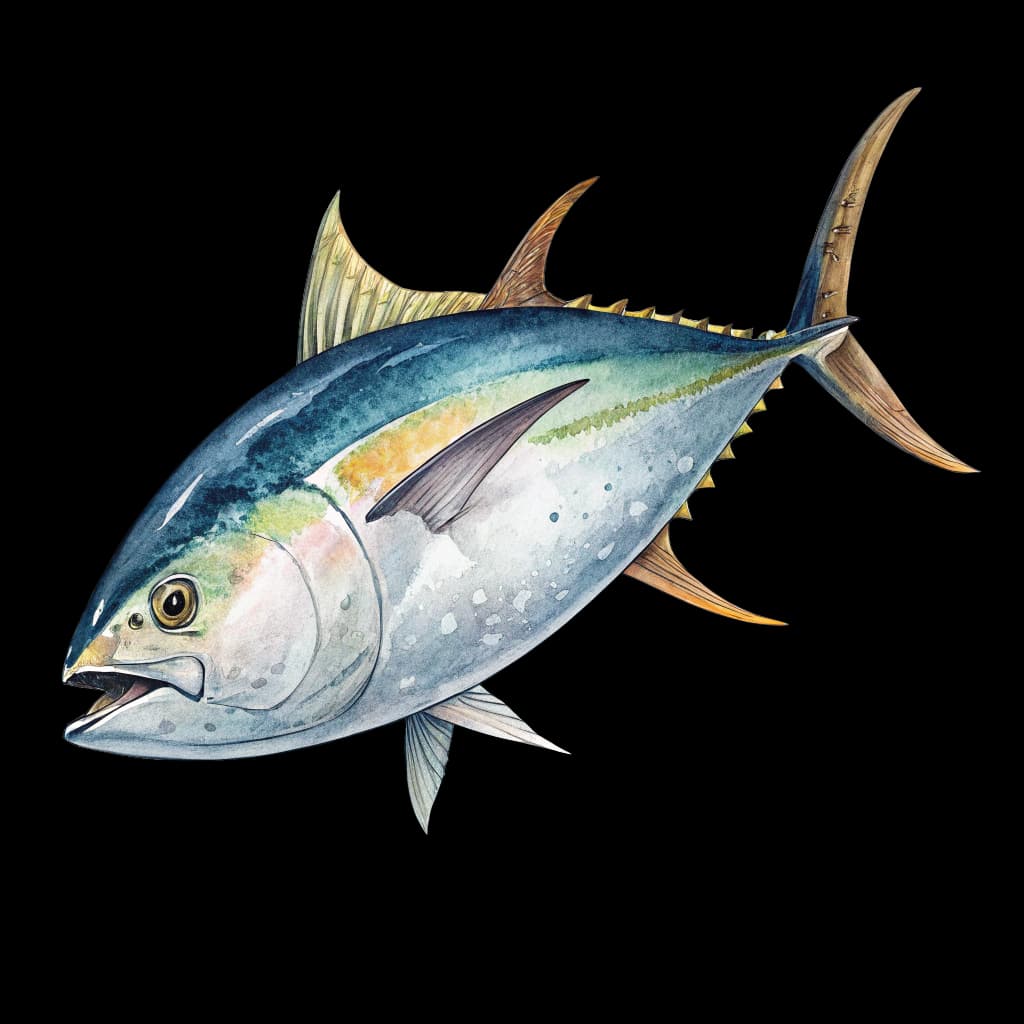
- 1 pounds yellowfin tuna (sushi-grade) – diced 0.25-inch
- 2 tbsp shallot – finely minced
- 2 tbsp chives – finely sliced
- 1 tbsp soy sauce
- 1 tbsp lime juice – freshly squeezed
- 1 tsp sesame oil – toasted
- 1/4 tsp sea salt – fine
- 1/4 tsp black pepper – freshly ground
- avocado – diced (for serving)
- sesame seeds – toasted (for serving)

Instructions
1. Chill a mixing bowl and your knife for 10 minutes to keep everything cold.
2. Cut the chilled fish into 0.25-inch cubes and keep refrigerated while you prepare the seasoning.
3. In the chilled bowl, whisk together the soy sauce, lime juice, sesame oil, sea salt, and black pepper until combined.
4. Stir in the shallot and chives to perfume the dressing.
5. Fold in the tuna gently until evenly coated. Cover and refrigerate 5–10 minutes, until lightly glossy and chilled but not opaque.
6. Taste and adjust seasoning as needed, keeping the balance bright and savory.
7. Fan the avocado on chilled plates and spoon the tartare on top in neat mounds.
8. Sprinkle with sesame seeds and serve immediately.
Tuna Tartare is a cool, clean, and silky appetizer that highlights the freshness of raw, sushi-grade tuna. The fish is lightly seasoned so its natural sweetness and delicate texture shine, with citrus for brightness, soy for umami, and a whisper of toasted sesame for nuttiness. Fine alliums like shallot and chives add gentle bite without overpowering, and creamy avocado offers a rich counterpoint.
The dish draws lineage from French steak tartare but took its modern form in late-20th-century American dining, influenced by Japanese sashimi sensibilities. California and New York chefs popularized hand-diced raw tuna dressed with citrus and soy, rather than heavy emulsions, to preserve the fish’s pristine texture. Today it’s a fixture on menus worldwide, adaptable yet rooted in a balance of acid, salt, and umami that keeps the tuna front and center.