
Spaghetti Al Limone

Ingredients
&w=3840&q=75)

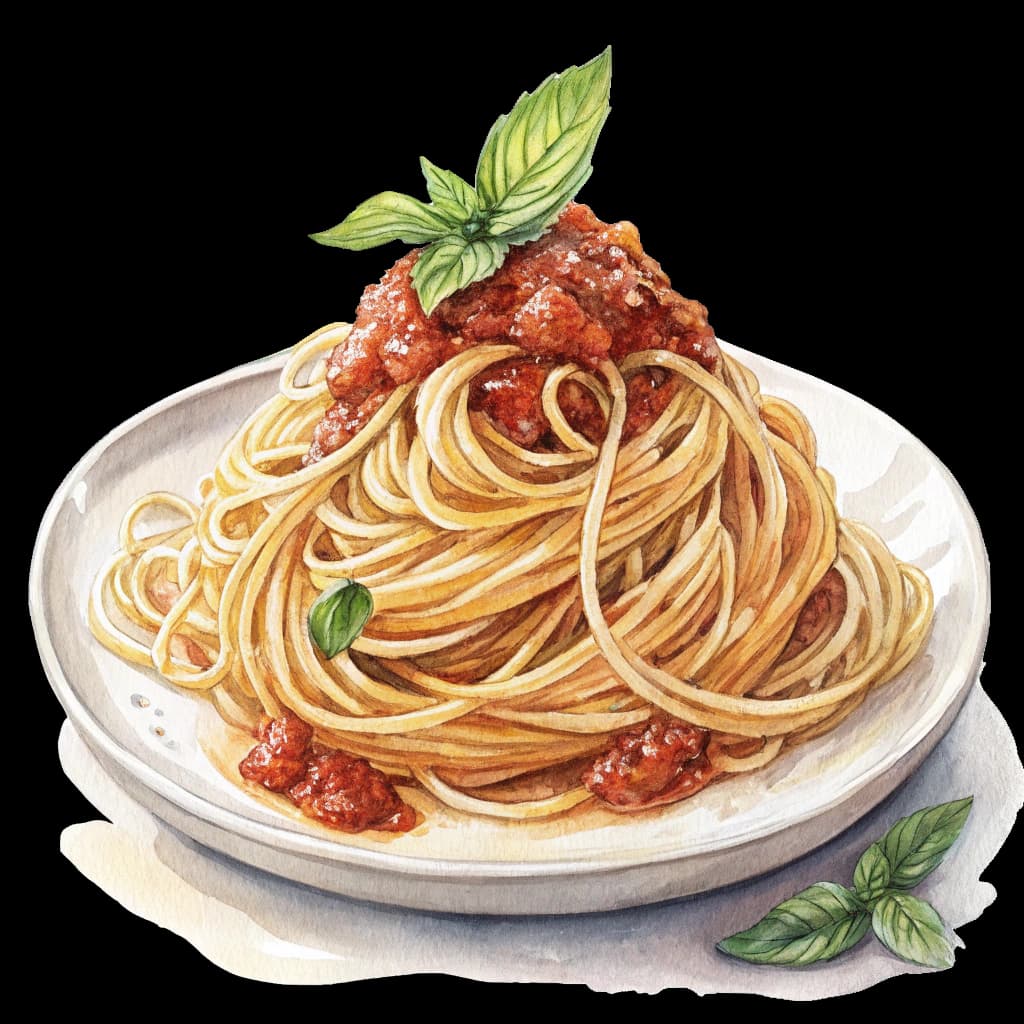
&w=3840&q=75)
- 2 each lemon – zested (finely grated) and juiced
- 2 tbsp kosher salt
- 12 ounces spaghetti
- 4 tbsp unsalted butter
- 2 ounces Parmigiano Reggiano – finely grated
- 1/2 tsp black pepper – freshly ground
- 1/4 tsp fine sea salt
- fresh basil leaves – torn (for serving)

Instructions
1. Finely grate the zest of the lemons, then juice them; measure out 2 tbsp lemon juice and set aside with the zest.
2. Bring 4 quarts of water to a rolling boil in a large pot. Add the kosher salt.
3. Add the spaghetti and cook until al dente, 1–2 minutes shy of package time. Reserve 1.5 cups pasta cooking water, then drain.
4. Meanwhile, melt the unsalted butter in a large wide skillet over medium-low heat. Add 1 cup of the reserved pasta water and about half of the lemon zest; simmer, whisking, until slightly emulsified and steamy, 1–2 minutes.
5. Add the drained spaghetti to the skillet and toss vigorously to coat, 1 minute.
6. Remove the skillet from the heat. Sprinkle in the Parmigiano Reggiano gradually while tossing, loosening with small splashes of reserved pasta water as needed to keep the sauce glossy and smooth.
7. Season with the fine sea salt and black pepper, then pour in the measured 2 tbsp lemon juice; toss until the sauce is creamy and clings to the pasta, 30–60 seconds. Add more pasta water as needed to achieve a silky consistency.
8. Off heat, scatter over the remaining lemon zest and toss once more. Plate immediately and top with fresh basil leaves (for serving).
Spaghetti al Limone is a bright, silky pasta that balances the floral aroma of lemon zest with the gentle richness of butter and aged cheese. The sauce is an emulsion—more like a cacio e pepe-style gloss than a heavy cream bath—so each strand is coated but never weighed down. A touch of black pepper adds warmth, and finishing with fresh zest keeps the citrus flavor vivid to the last bite.
Rooted along Italy’s southern coast, especially in Campania and the Amalfi Coast where fragrant sfusato lemons thrive, this dish showcases local citrus at its best. It likely evolved from simple trattoria techniques that emulsify fat, cheese, and starchy pasta water into a smooth sauce. Over time, versions spread across Italy and abroad, with some places introducing cream, yet the core remains a quick lemon-and-butter pasta that celebrates quality lemons and precise emulsification.