
Salsa Verde

Ingredients
&w=3840&q=75)
&w=3840&q=75)
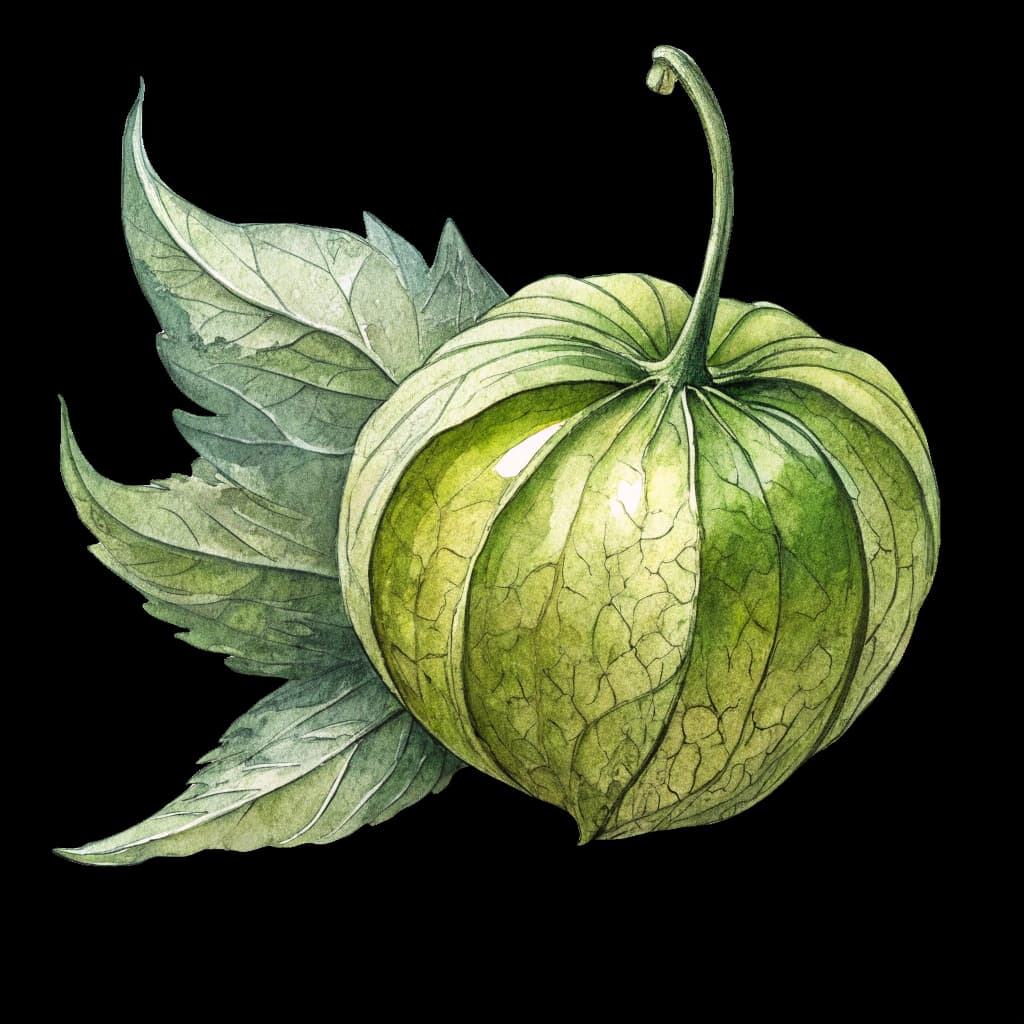
- 1 pounds tomatillos – husked and rinsed (~14 medium tomatillos)
- 3 chiles serrano chiles – stemmed
- 1 cloves garlic – unpeeled
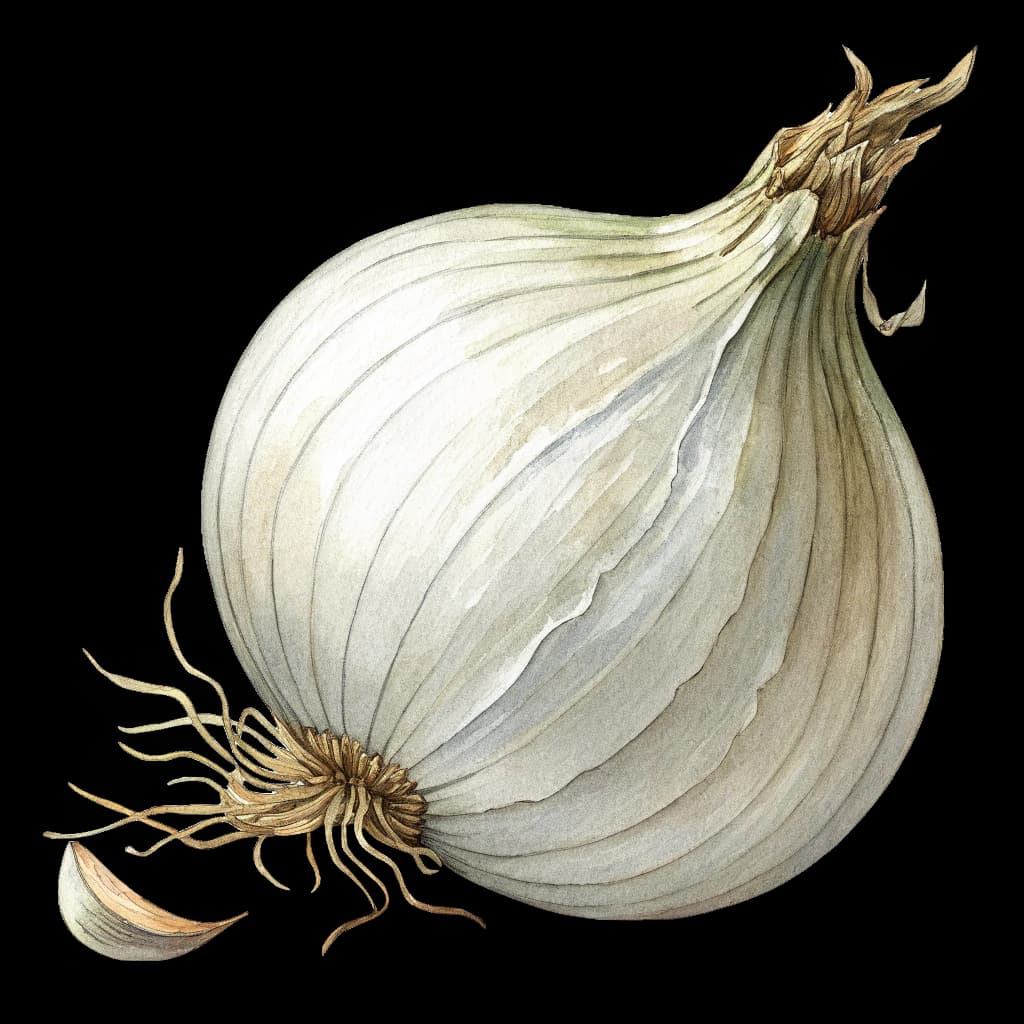
- 1/2 cups white onion – roughly chopped (~0.5 medium white onions)
- 1/2 cups cilantro – coarsely chopped
- 1 tsp salt
- 1 tbsp vegetable oil

Instructions
1. Adjust an oven rack to the top position and preheat the broiler. Line a rimmed baking sheet with foil.
2. Remove husks from the tomatillos and rinse well to remove the sticky residue; pat dry.
3. Arrange the tomatillos, serrano chiles, and garlic on the prepared sheet. Broil until blistered and blackened in spots, 5–7 minutes; flip and broil the other side until softened and charred in places, 4–6 minutes. (Alternatively, char everything in a dry skillet or comal over medium-high heat, turning until evenly blistered, 8–10 minutes.)
4. Transfer the roasted tomatillos, serrano chiles, and garlic to a blender; peel the garlic. Add the white onion, cilantro, and salt. Blend to a mostly smooth but slightly textured salsa, 20–30 seconds, scraping down as needed.
5. Heat the vegetable oil in a medium saucepan over medium-high heat until shimmering, 1–2 minutes.
6. Carefully pour in the blended salsa; it will sizzle. Bring to a simmer and cook, stirring, until slightly thickened and the raw edge mellows, 3–5 minutes, until it lightly coats a spoon.
7. Let cool 10 minutes, then taste and adjust seasoning if needed. Serve warm or at room temperature.
8. Store refrigerated in a sealed container for up to 5 days; stir before serving.
Salsa Verde is a bright, tangy, and mildly spicy table sauce made primarily from tomatillos and green chiles. The roasted tomatillos bring a citrusy acidity and gentle sweetness, while cilantro and onion add fresh herbal and savory notes. Its texture ranges from lightly chunky to silky, making it versatile for spooning over tacos, grilled meats, eggs, and chilaquiles, or for dunking tortilla chips.
Rooted in Mexican cooking, salsa making predates the Spanish conquest, with tomatillos cultivated and used by Indigenous peoples for centuries. Salsa verde evolved across regions—sometimes raw, often boiled or roasted, and frequently “seasoned” briefly on the stove to marry flavors. Today it remains a staple on Mexican tables and taquerías, integral to dishes like enchiladas verdes and a daily condiment in many homes.