
Salsa Roja

Ingredients
&w=3840&q=75)
&w=3840&q=75)
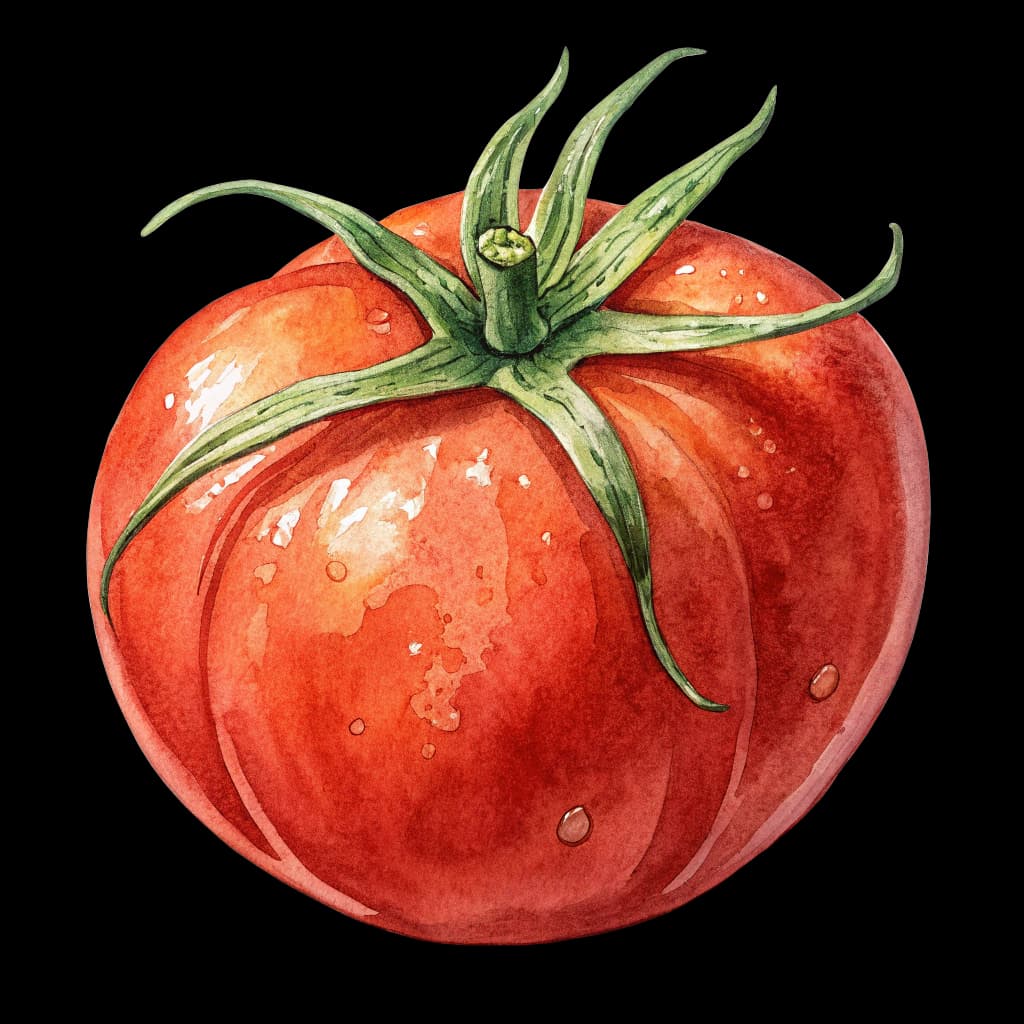
- 1 1/4 pounds roma tomatoes (~9.5 medium roma tomatos)
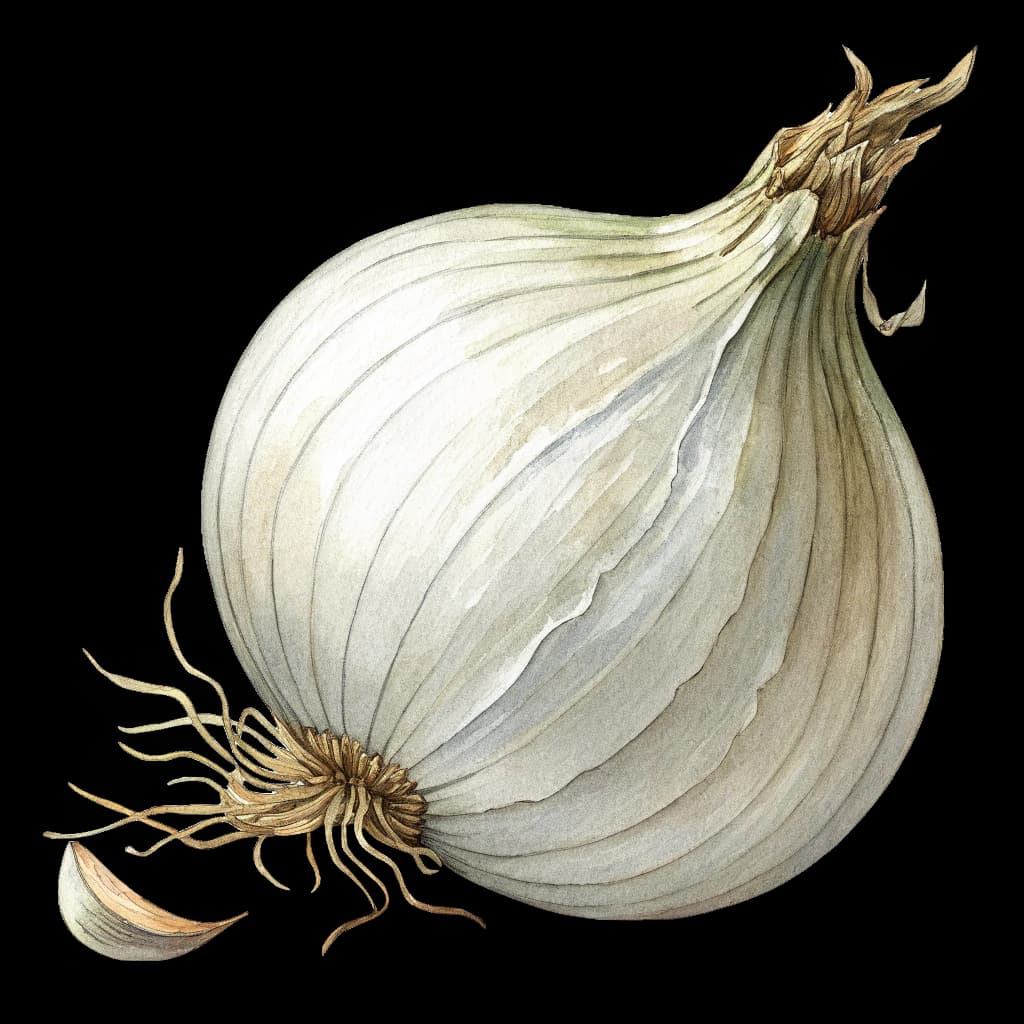
- 1/2 medium white onion – thickly sliced
- 2 medium serrano chiles
- 2 cloves garlic cloves
- 1 tbsp vegetable oil
- 1/4 cups water
- 1 tsp kosher salt
- 1/4 cups fresh cilantro – roughly chopped

Instructions
1. Position an oven rack 6 inches from the broiler and heat the broiler on high; line a rimmed sheet pan with foil.
2. Arrange the tomatoes, white onion, serrano chiles, and garlic on the pan and broil, turning once, until blistered with blackened spots and tender, 12–16 minutes total.
3. Let the vegetables cool until handleable; trim stems, slip off garlic skins, and handle seeds only if you want to moderate heat.
4. Transfer everything to a blender with the water and kosher salt and blend to your preferred texture, from slightly coarse to smooth.
5. Heat the vegetable oil in a medium saucepan over medium heat until shimmering, 1–2 minutes; carefully pour in the blended salsa (it should sizzle).
6. Bring to a gentle simmer and cook, stirring occasionally, until slightly thickened and the raw edge cooks off, 5–8 minutes.
7. Remove from heat and stir in the fresh cilantro.
8. Cool 5–10 minutes; serve warm or at room temperature, or refrigerate airtight up to 5 days.
Salsa Roja is a staple Mexican table salsa built on charred tomatoes and chiles that are blended and lightly simmered to marry their flavors. The result is a bright, savory, gently smoky sauce with a clean tomato backbone, medium heat from fresh chiles, and a soft finish brought together by a brief fry in oil. Its texture can range from slightly coarse to smooth, making it versatile for spooning over tacos, huevos, grilled meats, or chips.
Rooted in everyday cooking, this salsa reflects Mexico’s long tradition of pairing tomatoes with native chiles and cooking them on a comal or under intense heat. While pre-Hispanic salsas centered on chiles and tomatoes, later influences introduced common additions like cilantro. Across regions and taquerías, salsa roja varies in heat level and texture, but the core method of charring, blending, and simmering remains a defining technique and a hallmark of the cuisine.