
Salsa

Ingredients
&w=3840&q=75)
&w=3840&q=75)
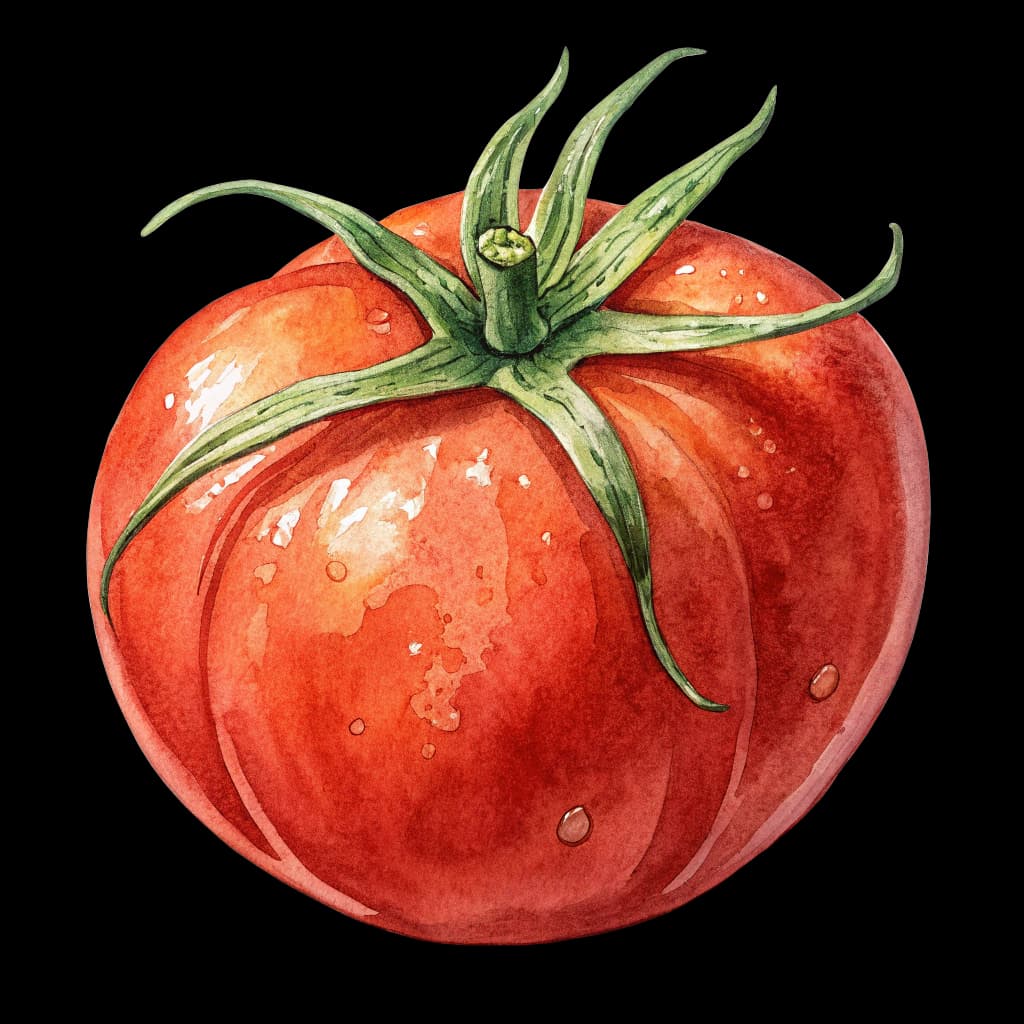
- 1 1/2 pounds roma tomatoes – rinsed (~11.5 medium roma tomatos)
- 2 chiles serrano chiles – stems removed
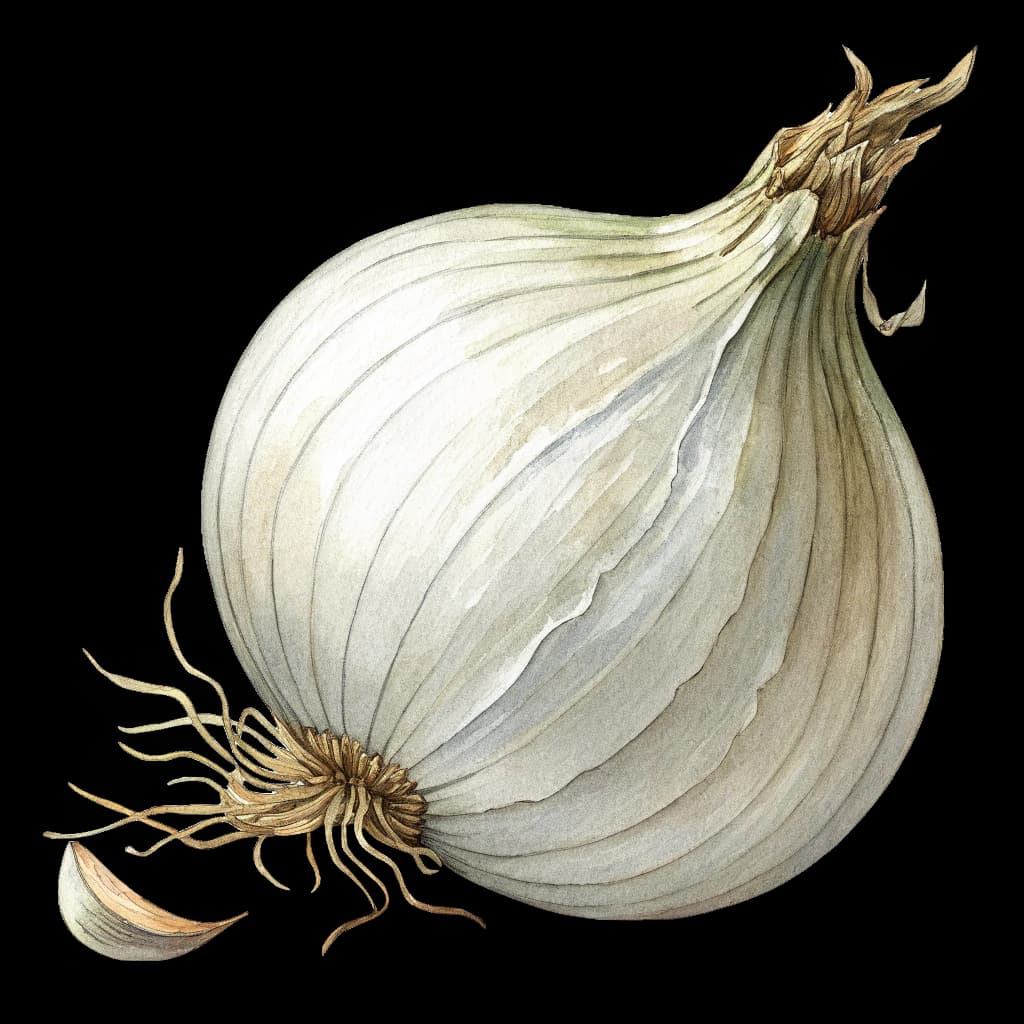
- 4 ounces white onion – cut into 2 wedges (~1 medium white onion)
- 2 cloves garlic cloves
- 1/2 cup cilantro – leaves and tender stems, roughly chopped
- 1 tablespoon lime juice
- 1 teaspoon fine sea salt
- 2 tablespoons water – as needed to adjust consistency

Instructions
1. Heat a dry cast-iron skillet or comal over medium-high heat until hot, 2–3 minutes.
2. Roast the tomatoes, serrano chiles, onion wedges, and garlic (in their skins) in the dry pan, turning occasionally, until blistered and blackened in spots and the tomatoes are softened and juicy; remove the garlic when charred and tender, 5–7 minutes, and continue roasting the rest until done, 8–12 minutes total.
3. Peel the roasted garlic. Transfer all the roasted vegetables and any pan juices to a blender or food processor.
4. Add the cilantro, lime juice, and salt. Pulse until you reach a coarse or smooth salsa, 15–30 seconds, scraping down as needed.
5. With the motor running, add the water until the salsa is spoonable and slightly loose. Taste and adjust salt or lime to balance.
6. For a mellower, cooked flavor, pour the salsa into a small saucepan and simmer over medium heat, stirring, 3–5 minutes, until lightly thickened and the raw edge mellows; cool 10 minutes.
7. Serve at room temperature or chilled. Refrigerate in a sealed container for up to 5 days.
Salsa, in the Mexican sense, is a table sauce built for balance: bright acidity, gentle to assertive heat, and a roasted savor that makes everything it touches taste livelier. This version centers on ripe tomatoes, serrano chiles, onion, garlic, cilantro, and lime, producing a sauce that can be spooned over tacos, grilled meats, eggs, or simply dipped with tortilla chips. The texture can swing from coarse and chunky to smooth and pourable, but the aim is the same—fresh, vivid flavors that wake up a meal.
Across Mexico, salsas are everyday essentials rather than afterthoughts, often prepared on a comal and crushed in a molcajete or blended for convenience. Tomato-based salsa roja like this one is among the most widespread, with countless local tweaks that reflect chile preference and seasonal produce. As techniques and tools evolved, the core idea—char, grind, season—remained central, preserving salsa’s role as both condiment and cultural touchstone.