
Pisco Sour

Ingredients
&w=3840&q=75)
&w=3840&q=75)
&w=3840&q=75)
- 2 tbsp granulated sugar
- 2 tbsp water
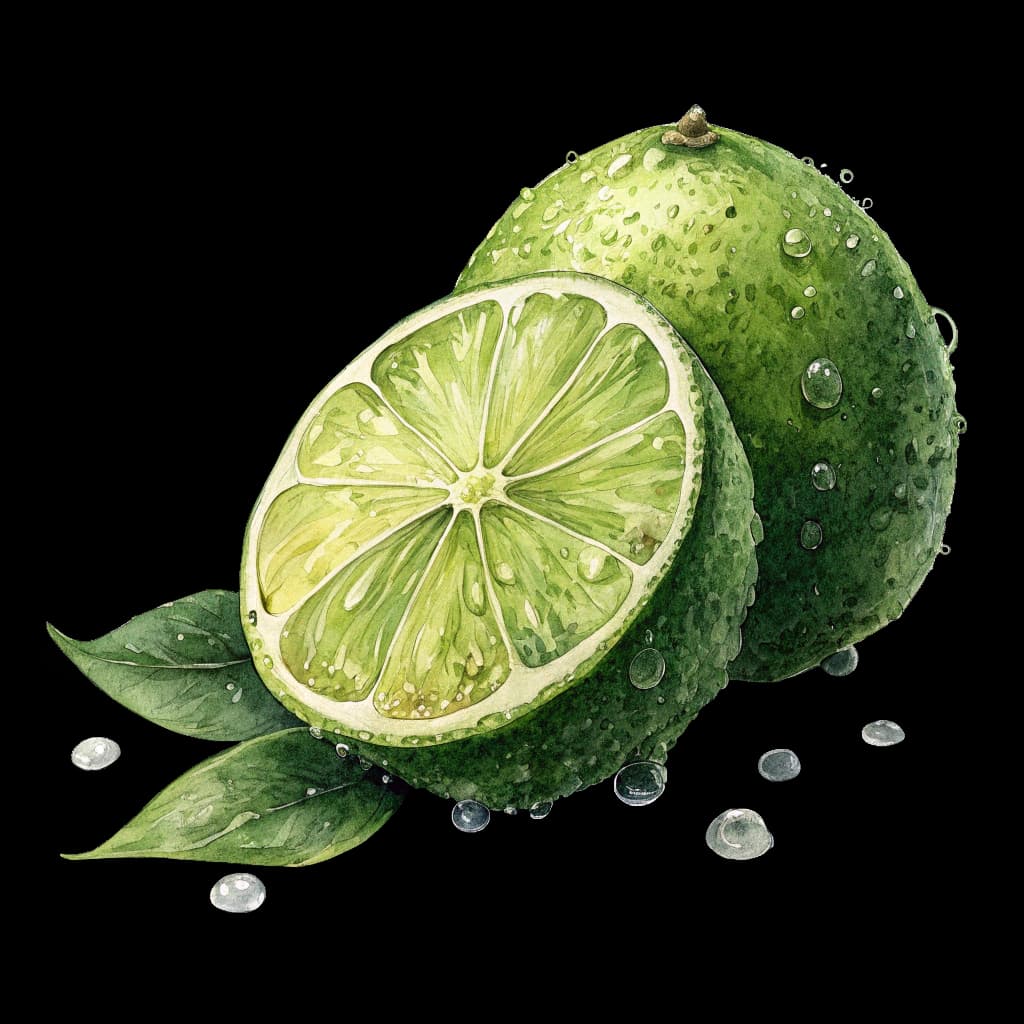
- 1 ounces limes – juiced, strained (about 1–2 limes) (~0.5 medium limes)
- 2 ounces pisco
- 1 large egg – white only
- 1 cup ice cubes – for shaking
- Angostura bitters – 2–3 dashes on foam (for garnish)

Instructions
1. Make a quick simple syrup: Combine the sugar and water in a small saucepan over low heat, stirring just until the sugar fully dissolves, 1–2 minutes. Remove from heat and let cool briefly.
2. Juice the limes and strain to obtain 1 ounce (2 tbsp) of clear juice; discard pulp and seeds.
3. Add the pisco, the strained lime juice, 1.5 tbsp of the simple syrup from Step 1, and the white from 1 large egg to a cocktail shaker. Seal and dry-shake (no ice) vigorously until slightly foamy, 10–15 seconds.
4. Add the ice cubes to the shaker. Seal and shake hard until the shaker is very cold and the mixture is thick and frothy, 12–15 seconds.
5. Double-strain into a chilled coupe or small rocks glass.
6. Dot the foam with 2–3 dashes of Angostura bitters. Serve immediately.
Pisco sour is a bright, velvety cocktail built on the floral, grape-driven spirit pisco, lifted by fresh lime and rounded by a silky egg-white foam. The texture is lush yet refreshing, with a fine balance of tartness and gentle sweetness that lets the pisco’s fruit and spice notes shine. A few dashes of aromatic bitters on the foam add a fragrant, slightly spicy top note and a handsome finish.
Born in South America, pisco sour is widely regarded as a Peruvian icon, though Chile also claims a closely related version. The drink traces to early 20th-century Lima, where it evolved from a whiskey sour at Morris’ Bar; later bartenders refined it with egg white and bitters to create the now-familiar profile. Over time, it became Peru’s national cocktail, celebrated annually and served in homes and bars alike, while regional interpretations continue to coexist across the Andes.