
Pesto

Ingredients
&w=3840&q=75)
&w=3840&q=75)

- 2 cloves garlic – coarsely chopped
- 1/2 teaspoons coarse sea salt
- 1/3 cups pine nuts
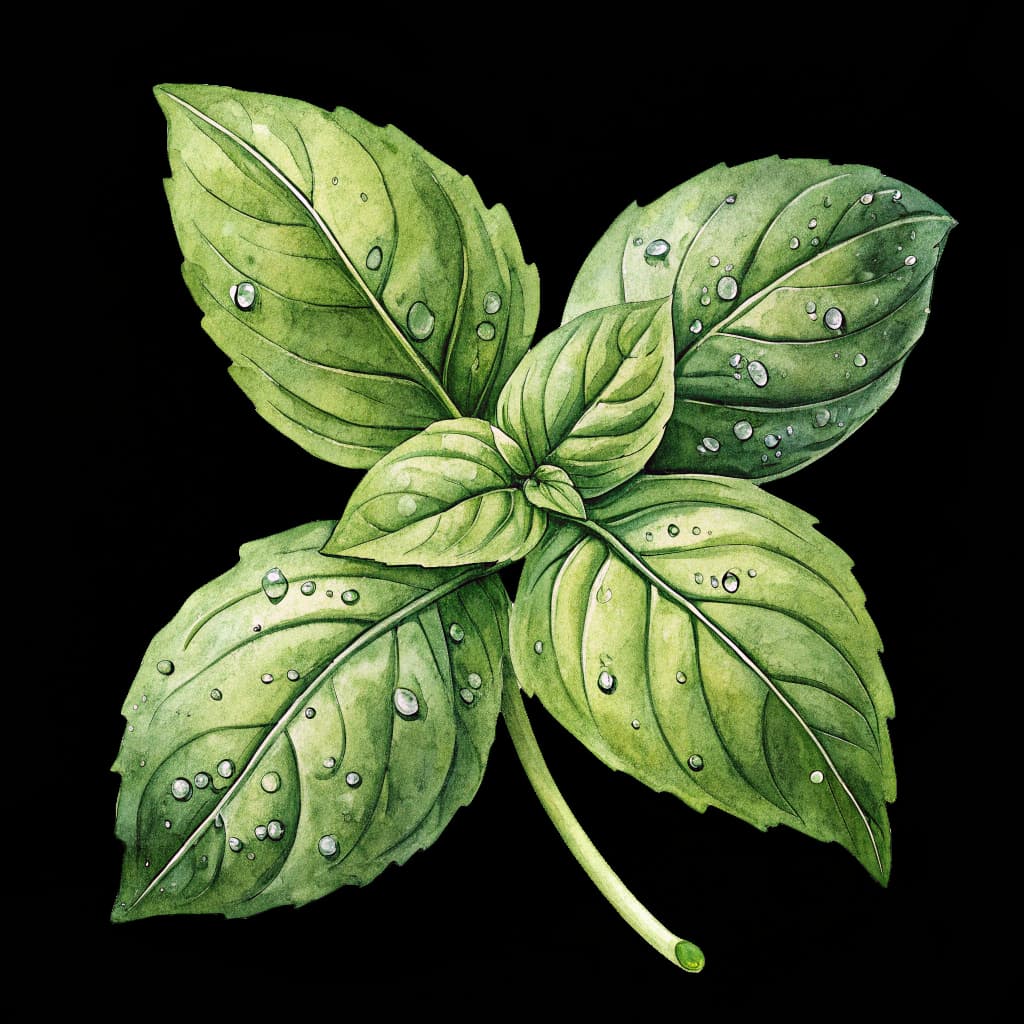
- 2 cups basil leaves – packed
- 1/2 cups Parmigiano Reggiano cheese – finely grated
- 1/4 cups Pecorino Fiore Sardo cheese – finely grated
- 2/3 cups extra-virgin olive oil

Instructions
1. Place the garlic and coarse sea salt in a large mortar and pound to a smooth paste, 1–2 minutes.
2. Add the pine nuts and pound until creamy and fully integrated, 1–2 minutes.
3. Add the basil leaves in 3–4 additions, pounding with a gentle, rotating motion until a vivid green, slightly coarse paste forms, 3–5 minutes total.
4. Add the Parmigiano Reggiano cheese and Pecorino Fiore Sardo cheese; pound to combine into a thick paste, about 1 minute.
5. Gradually drizzle in the extra-virgin olive oil while working the pestle in a circular motion to emulsify. Continue until glossy and spoonable, 1–2 minutes. Use immediately, or refrigerate in an airtight container for up to 3 days.
Pesto is a raw, herb-driven sauce with a silky, spoonable texture and a balance of grassy basil, warm garlic, nutty pine nuts, and savory, lactic depth from aged cheeses. Emulsified with extra-virgin olive oil, it coats pasta beautifully and also shines on vegetables, bread, and seafood. The flavor is bright and aromatic, with a gentle bite from garlic and a lingering richness from the cheeses and nuts.
Originating in Liguria, Italy—particularly around Genoa—pesto is traditionally made in a marble mortar with a wooden pestle. Its lineage traces to ancient Ligurian herb-and-garlic sauces, with modern references appearing in 19th-century cookbooks. The canonical version, often called pesto alla genovese, celebrates local basil (notably the Genovese variety), pine nuts from the Mediterranean, and a blend of Parmigiano Reggiano and Pecorino Fiore Sardo, classically tossed with trofie or trenette pasta, sometimes with potatoes and green beans.