
Nihari

Ingredients
&w=3840&q=75)
&w=3840&q=75)
- 2 tbsp coriander seeds
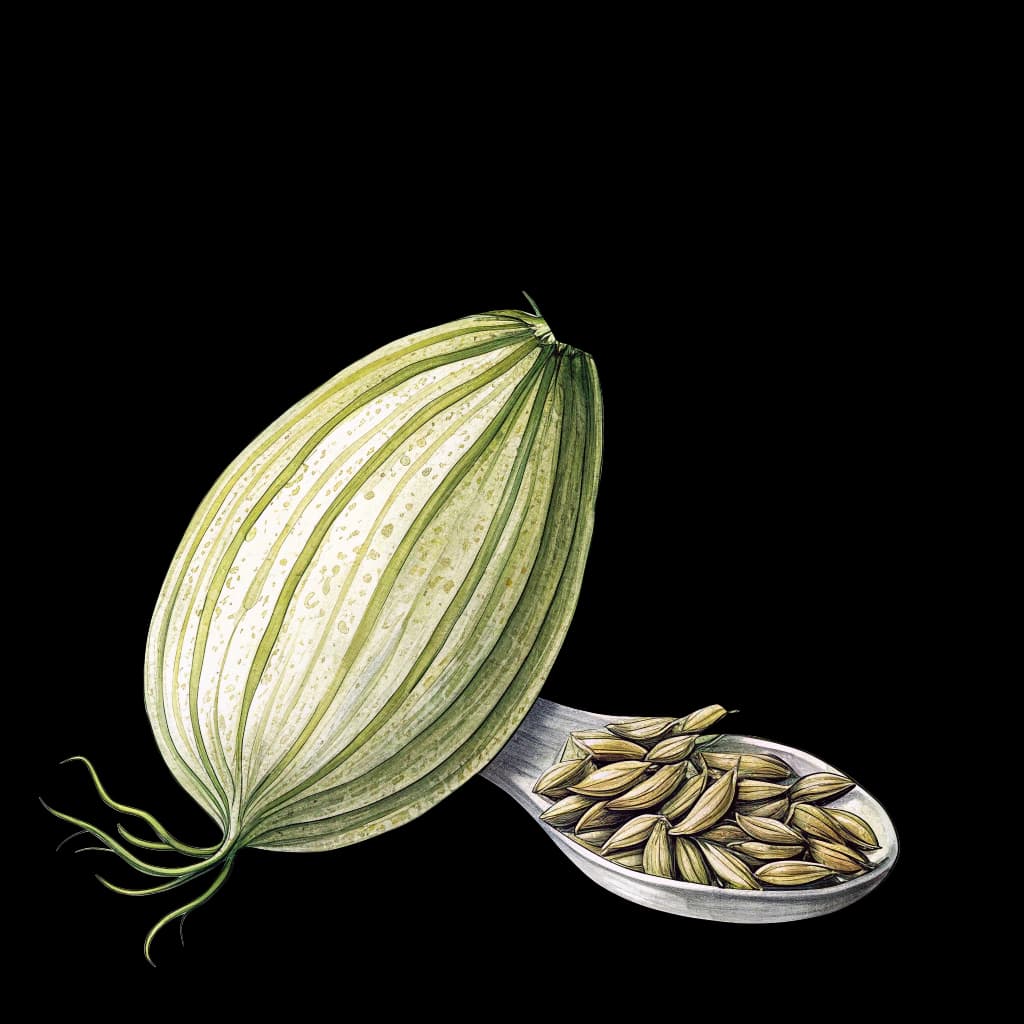
- 2 tbsp fennel seeds
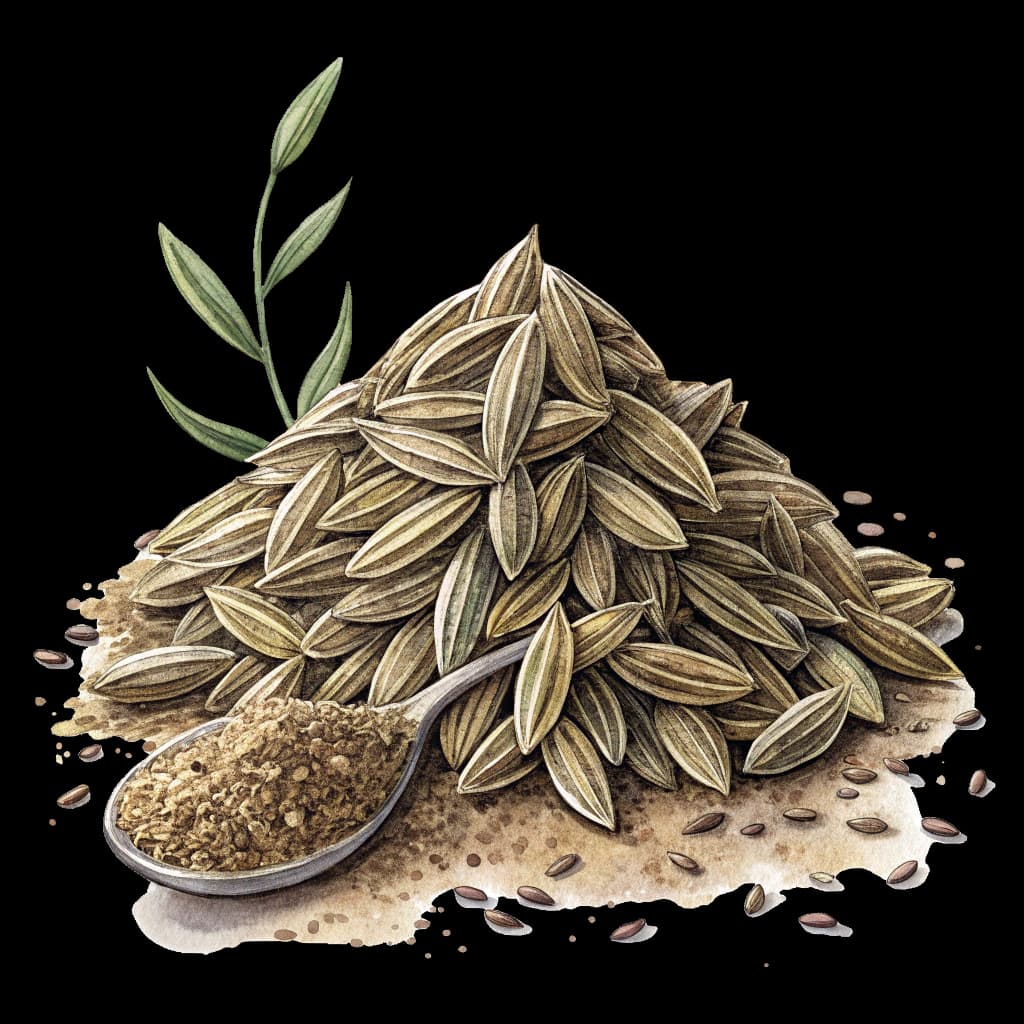
- 1 tbsp cumin seeds
- 1 tsp black peppercorns
- 8 whole clove
- 8 pods green cardamom
- 2 pods black cardamom
- 2 inches cinnamon stick
- 2 leaves bay
- 1 whole star anise
- 1/2 tsp mace
- 1/4 tsp nutmeg – finely grated
- 1/2 cup whole wheat flour (atta)
- 1/2 cup ghee
- 3 pounds beef shank, bone-in
- 1 pound beef marrow bones
- 3 tbsp ginger-garlic paste
- 2 tsp Kashmiri red chili powder
- 1/2 tsp red chili powder
- 1/2 tsp turmeric powder
- 2 1/2 tsp salt
- 10 cups water
- 2 tbsp ghee
- ginger – julienned (for serving)
- cilantro leaves – chopped (for serving)
- green chilies – thinly sliced (for serving)
- lemon wedges – for serving
- naan – for serving

Instructions
1. Make the nihari masala: In a dry skillet over medium heat, toast the coriander seeds, fennel seeds, cumin seeds, black peppercorns, cloves, green cardamom pods, black cardamom pods, cinnamon stick, bay leaves, star anise, and mace until fragrant, 2–3 minutes. Cool completely, then grind to a fine powder and stir in the finely grated nutmeg; reserve 1 tsp of this ground masala for finishing.
2. Roast the thickener: In the same skillet over medium-low heat, dry-roast the whole wheat flour (atta) until nutty and lightly golden, 4–6 minutes. Let cool, then whisk with 1.5 cups cool water (taken from the total water) to make a smooth, lump-free slurry; set aside.
3. Start the stew: In a heavy pot or Dutch oven, melt 0.5 cup ghee over medium heat. Add the beef shank and marrow bones and sear, turning occasionally, until lightly colored, 5–7 minutes.
4. Add aromatics: Stir in the ginger-garlic paste and cook until the raw smell dissipates, about 2 minutes.
5. Spice the base: Sprinkle in all of the ground nihari masala except the reserved 1 tsp, along with the Kashmiri red chili powder, red chili powder, turmeric powder, and salt. Stir constantly for 1 minute to bloom the spices.
6. Long simmer: Pour in the remaining water, bring to a rolling boil, then reduce to very low, cover, and simmer gently until the shanks are very tender and nearly falling off the bone and the marrow is loosened, 3.5–4.5 hours, skimming foam and excess fat as needed.
7. Thicken: Rewhisk the atta slurry, then slowly drizzle it into the gently simmering stew while stirring. Cook uncovered on low, stirring occasionally, until the gravy turns silky, thick enough to lightly coat the back of a spoon, and oil rises to the surface, 30–45 minutes.
8. Finish with ghee: Heat the remaining 2 tbsp ghee in a small pan until shimmering, stir in the reserved 1 tsp masala for 10–15 seconds, then immediately pour this over the nihari. Simmer 5 minutes to meld.
9. Rest and season: Taste and adjust salt or chili. Turn off the heat and let the pot rest, covered, 10 minutes.
10. Serve: Ladle the nihari into bowls. Top with julienned ginger, chopped cilantro, and thinly sliced green chilies. Serve hot with lemon wedges and warm naan.
Nihari is a deeply spiced, slow-cooked stew celebrated for its velvety, gelatin-rich gravy and warming heat. Traditionally built on bone-in beef shank and marrow bones, it develops a lush texture as collagen melts into the broth. A house-ground spice blend gives layered warmth rather than sharp burn, while an atta-thickened finish creates a characteristic sheen. Fresh toppings—ginger, green chilies, and cilantro—add a clean, bright counterpoint. It’s a dish that feels luxurious yet elemental, perfect for a leisurely, comforting meal.
The dish traces its origins to the Mughal kitchens of Old Delhi, where it was historically eaten at dawn—its name relates to the Arabic nahar, meaning day. After Partition, migrants carried and evolved the tradition in Pakistan, where Nihari became a beloved staple, especially in Karachi and Lahore. Over time, specialized shops refined house masalas and long, overnight simmers into signature styles. Despite regional nuances and variations in meat, the essential identity—slow-cooked marrow-rich meat in a spice-layered, atta-thickened gravy—remains constant and culturally significant.