
Moqueca

Ingredients
&w=3840&q=75)
&w=3840&q=75)
&w=3840&q=75)
- 1 1/2 pounds firm white fish fillets – cut into 2-inch pieces
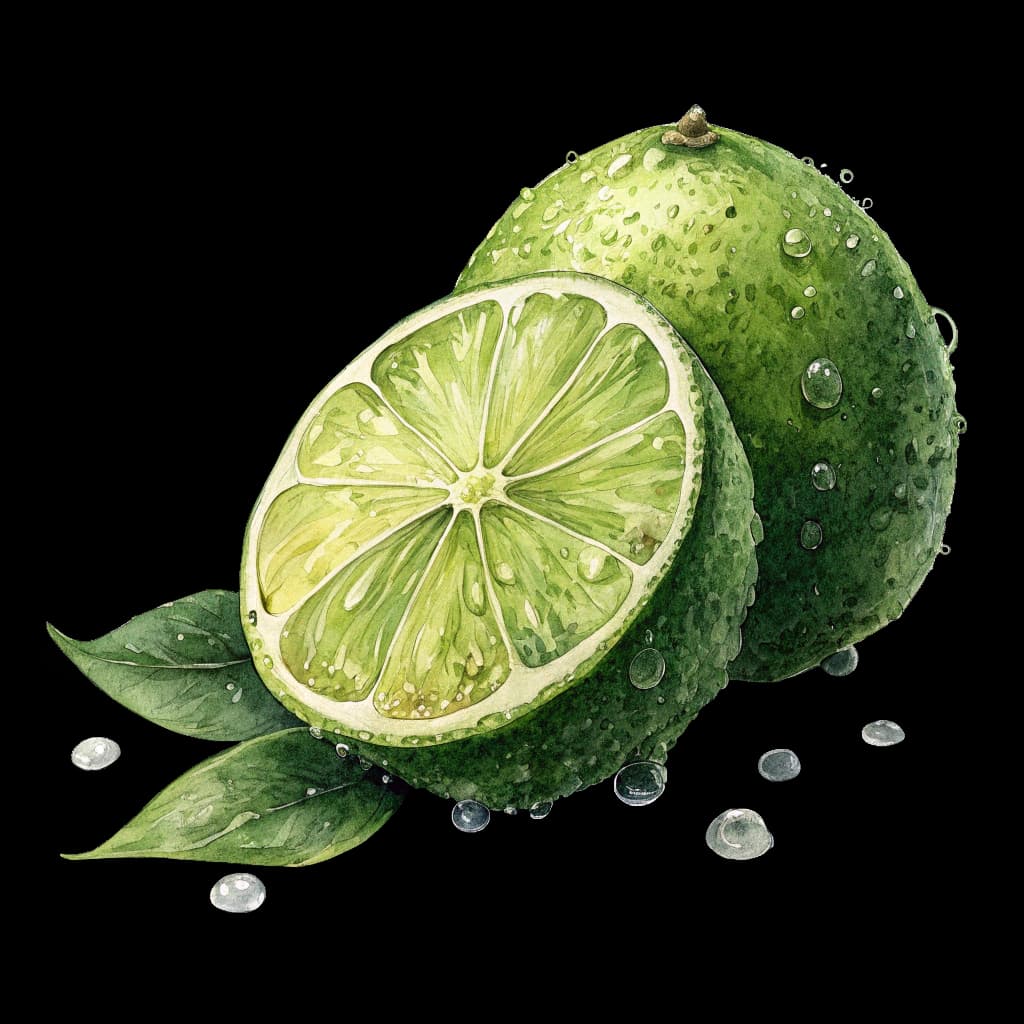
- 1 lime – juiced
- 3 cloves garlic – minced
- 1 1/4 tsp sea salt
- 1/2 tsp black pepper
- 1 onion – thinly sliced
- 1 red bell pepper – thinly sliced
- 1 green bell pepper – thinly sliced
- 3 tomatoes – sliced
- 1 malagueta pepper – thinly sliced
- 13 1/2 ounces coconut milk
- 2 tbsp dendê oil
- 1/2 cup cilantro – chopped
- cilantro – chopped (for serving)
- white rice – cooked (for serving)

Instructions
1. Place the fish pieces in a bowl. Add the lime juice, half the garlic, half the salt, and all the black pepper; toss to coat. Cover and refrigerate to marinate for 20 minutes.
2. Meanwhile, prep the vegetables: thinly slice the onion, red and green bell peppers, tomatoes, and the malagueta pepper. Chop the cilantro.
3. Build the pot: In a wide heavy pot, spread half the onion in an even layer. Top with half the bell peppers and half the tomatoes. Scatter half the cilantro and the remaining garlic over the vegetables. Drizzle with 1 tbsp dendê oil.
4. Nestle the marinated fish and its juices in a single layer over the vegetables. Top with the remaining onion, bell peppers, and tomatoes. Scatter the sliced malagueta pepper and the remaining cilantro. Drizzle with the remaining 1 tbsp dendê oil, pour the coconut milk around the sides, and sprinkle with the remaining salt.
5. Bring to a gentle simmer over medium heat. Cover, reduce to medium-low, and cook 12–18 minutes, until the fish is opaque and flakes easily and the vegetables are tender. Gently shake the pot occasionally instead of stirring to keep the fish intact.
6. Remove from the heat and rest 5 minutes. Taste and adjust salt if needed. Garnish with chopped cilantro (for serving) and serve hot with cooked white rice (for serving).
Moqueca is Brazil’s beloved fish stew, celebrated for its velvety coconut broth, bright citrus notes, and the aromatic depth of dendê (red palm) oil. Tender pieces of firm white fish simmer gently with layers of onions, tomatoes, and bell peppers, finished with fresh cilantro and a touch of heat from malagueta pepper. The result is a lush, gently spicy stew that feels both light and richly satisfying, perfect spooned over rice.
Rooted in coastal cooking, moqueca exists in two main regional styles. In Bahia, African influence shines through with coconut milk and dendê oil, yielding a sunset-orange broth and tropical perfume. In Espírito Santo (moqueca capixaba), olive oil and annatto (urucum) color the stew, and coconut milk and palm oil are traditionally absent. Both versions trace back to Indigenous techniques of slowly cooking fish with aromatics, and today moqueca remains a centerpiece of family tables and seaside restaurants alike.