
Koshari

Ingredients
&w=3840&q=75)
&w=3840&q=75)
&w=3840&q=75)
- 24 ounces yellow onion – thinly sliced (~5 medium yellow onions)
- 1 1/2 cups vegetable oil – for frying onions
- 8 cloves garlic – finely minced
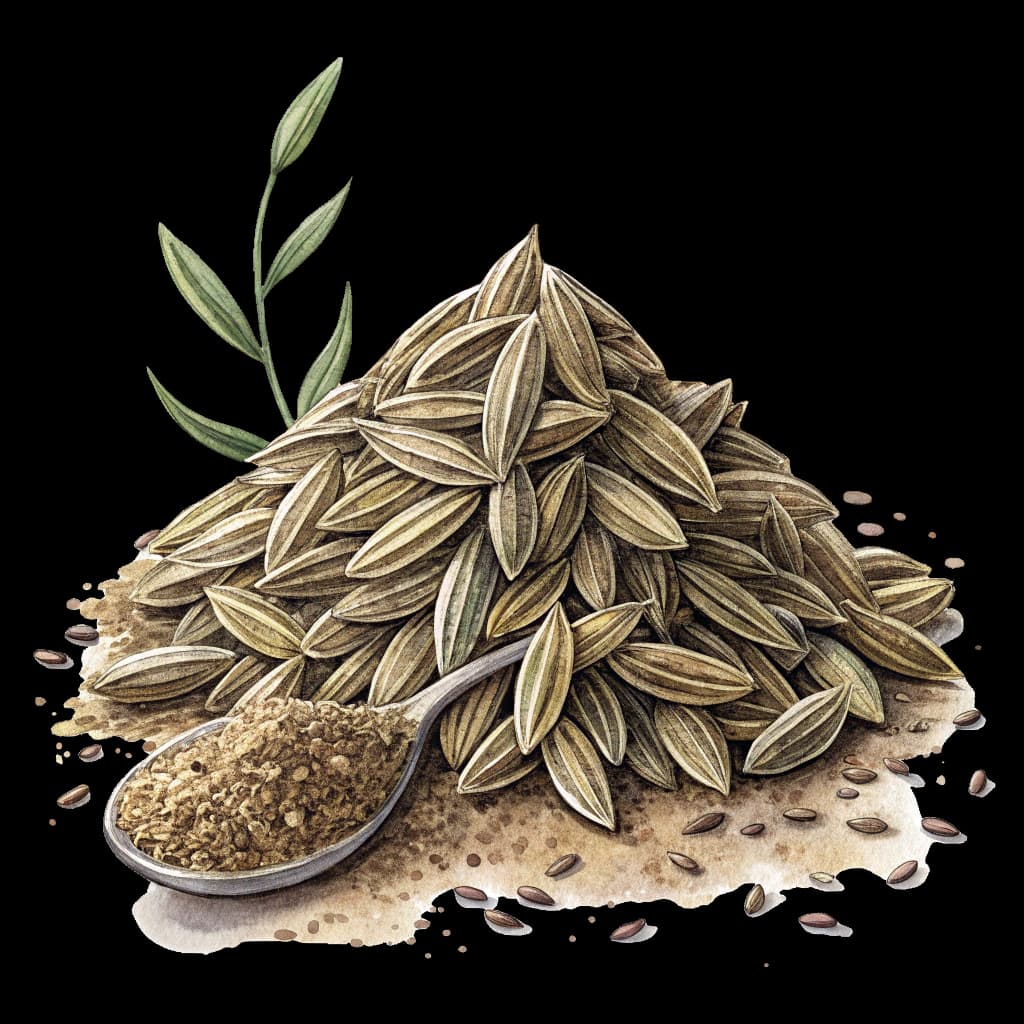
- 2 1/2 teaspoons ground cumin
- 1 teaspoon ground coriander
- 1 teaspoon red pepper flakes
- 28 ounces tomato puree (canned)
- 2 1/2 teaspoons kosher salt
- 1/2 teaspoon black pepper
- 1/4 cup distilled white vinegar
- 12 cups water
- 1 cup brown lentils – rinsed
- 1 cup short-grain rice – rinsed until water runs clear
- 8 ounces elbow macaroni
- 4 ounces spaghetti – broken into 2-inch pieces
- 15 ounces chickpeas (canned) – drained and rinsed

Instructions
1. Fry the onions: In a wide, heavy skillet, heat the vegetable oil over medium to medium-low. Add the sliced onions and cook, stirring often, until deep golden brown and crisp, 20–25 minutes. Transfer onions to a paper towel–lined tray to drain and season lightly with a pinch of kosher salt. Strain and reserve 6 tablespoons of the onion oil for the rice and sauces; keep the rest for other cooking.
2. Start the tomato sauce: In a saucepan over medium heat, warm 2 tablespoons reserved onion oil. Add half of the minced garlic and cook until fragrant, 30–60 seconds. Stir in the tomato puree, 1 teaspoon ground cumin, 0.5 teaspoon ground coriander, 0.5 teaspoon red pepper flakes, 0.5 teaspoon kosher salt, and the black pepper. Bring to a simmer and cook, stirring occasionally, until thickened and bright, 15–20 minutes. Adjust salt and keep warm on low.
3. Make the cumin-garlic vinegar (da’ah): In a small skillet, heat 1 tablespoon reserved onion oil over medium-low. Add the remaining garlic, 1 teaspoon ground cumin, the remaining 0.5 teaspoon ground coriander, and the remaining 0.5 teaspoon red pepper flakes; cook 30 seconds until aromatic. Remove from heat, stir in the distilled white vinegar and 0.25 cup water, and season with a pinch of kosher salt. Set aside.
4. Parboil the lentils: Rinse the brown lentils, place in a pot, and cover with water by about 2 inches. Bring to a boil, then simmer until just beginning to soften, 10–12 minutes. Drain well.
5. Cook rice and finish lentils: In the same pot, add 1 tablespoon reserved onion oil over medium heat. Return the drained lentils to the pot, add the rinsed rice, 1 teaspoon ground cumin, 1 teaspoon kosher salt, and 1.75 cups water. Bring to a boil, then cover, reduce heat to low, and cook until the liquid is absorbed and rice is tender, 15–18 minutes. Remove from heat and rest, covered, 10 minutes; fluff gently.
6. Cook the pastas: Bring a large pot of water to a rolling boil and season well with kosher salt. Boil the elbow macaroni until al dente, 8–10 minutes; drain. Return the water to a boil and cook the broken spaghetti until al dente, 7–9 minutes; drain. Toss both pastas with 1 tablespoon reserved onion oil to prevent sticking; keep warm.
7. Warm the chickpeas: In a small saucepan over medium heat, combine the chickpeas with a splash of water or a ladle of tomato sauce and warm through, 3–5 minutes. Season with a pinch of kosher salt.
8. Assemble and serve: Spoon the rice-lentil mixture into bowls, add a layer of the mixed pastas, and ladle on tomato sauce. Drizzle with the cumin-garlic vinegar to taste, add warm chickpeas, and finish generously with the crispy onions. Serve extra tomato sauce and vinegar on the side.
Koshari is a beloved Egyptian street and home dish built on layers of texture and contrast. Tender rice and earthy brown lentils form the base, topped with small pastas for chew, all crowned with a bright, spiced tomato sauce and a punchy cumin-garlic vinegar. A final shower of deeply caramelized, crispy onions adds sweetness and crunch, while warm chickpeas bring extra body. The result is hearty, tangy, and savory—comforting and entirely plant-based.
The dish’s story reflects Cairo’s cosmopolitan 19th-century crossroads. Many trace koshari to an Egyptian adaptation of Indian khichri (rice and lentils), combined with Italian pasta influences that arrived during the same period. It evolved into a signature street food, sold at bustling koshari shops where ingredients are layered to order and heat levels are customized. Today it’s widely regarded as Egypt’s national dish, a daily staple that’s satisfying, affordable, and proudly local.