
Israeli Salad

Ingredients
&w=3840&q=75)
&w=3840&q=75)

- 20 ounces tomatoes – cored and seeded, finely diced (~5 medium tomatos)
- 12 ounces Persian cucumbers – finely diced (~4.5 small persian cucumbers)
- 6 ounces green bell pepper – cored and seeded, finely diced (~1 medium green bell pepper)
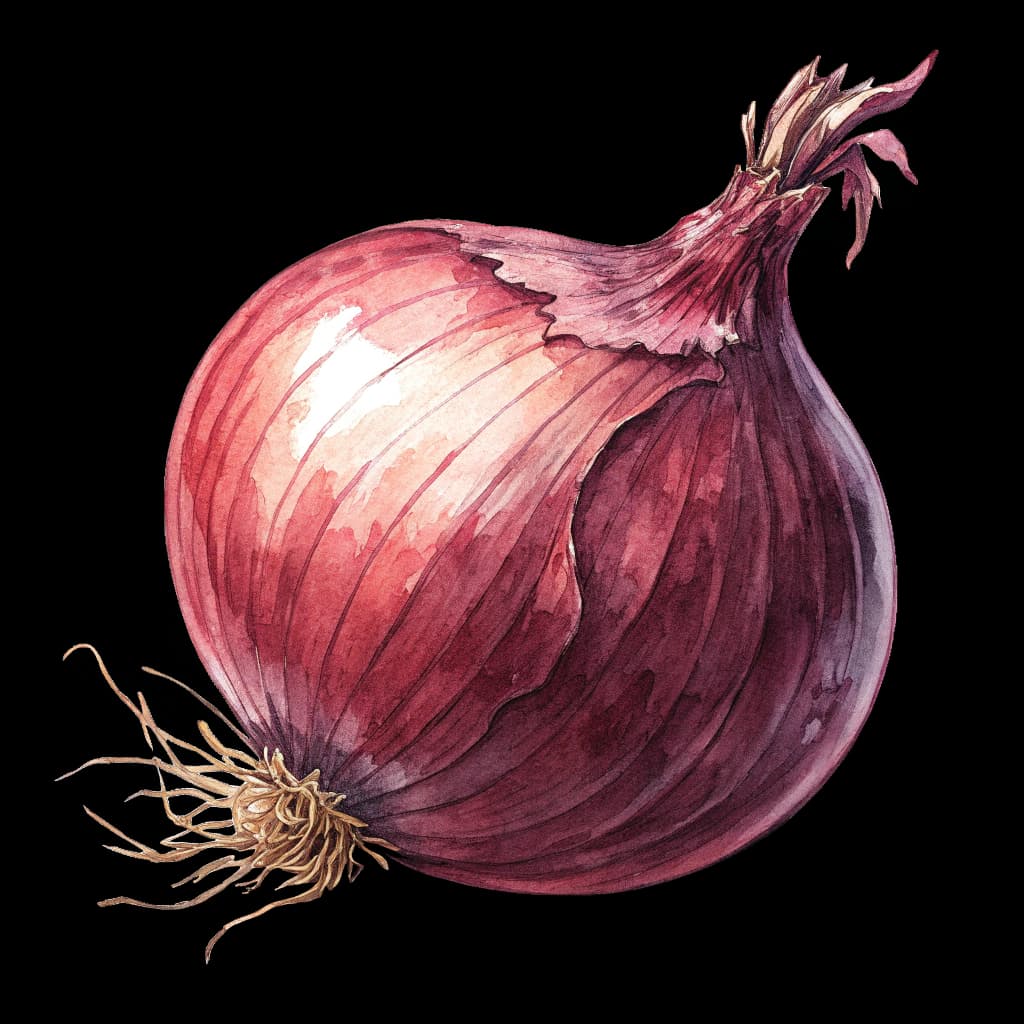
- 4 ounces red onion – finely diced (~1 medium red onion)
- 1/2 cups flat-leaf parsley – finely chopped (~0.5 n/a parsleys)
- 3 tablespoons lemon juice – freshly squeezed
- 3 tablespoons extra-virgin olive oil
- 1 teaspoons kosher salt
- 1/4 teaspoons black pepper – freshly ground

Instructions
1. Dice the tomatoes, cucumbers, and green bell pepper into small, even pieces (about 0.25 inch). Place the tomatoes in a colander and let drain for 5 minutes to shed excess juice.
2. Finely dice the red onion, then rinse it briefly under cold water and drain well to mellow its bite.
3. Finely chop the parsley leaves.
4. In a large bowl, whisk together the lemon juice, olive oil, kosher salt, and black pepper until emulsified.
5. Add the drained tomatoes, cucumbers, green bell pepper, red onion, and parsley to the bowl.
6. Toss gently but thoroughly until the vegetables are evenly coated and glossy.
7. Let the salad rest for 5–10 minutes so the flavors meld and the salt draws out a light dressing; it’s ready when the vegetables glisten and a little juice collects at the bottom.
8. Toss again, taste, and adjust salt or lemon to preference. Serve chilled or at cool room temperature.
Israeli Salad is a crisp, finely chopped mix of tomatoes, cucumbers, onion, and herbs dressed simply with lemon and olive oil. The small, even dice keeps every bite bright, juicy, and balanced, with a clean acidity and gentle richness from the oil. It pairs effortlessly with everything from eggs at breakfast to grilled meats, and it’s a staple filling or side with falafel and shawarma.
The salad traces its roots to Levantine chopped salads common across the Eastern Mediterranean, evolving in Israel with abundant local produce and the preference for a very fine cut. It became a fixture of kibbutz dining halls and home tables alike, often appearing at every meal. Over time it has spread globally as a symbol of fresh, produce-forward Middle Eastern cooking while retaining its essential simplicity and technique.