
Greek Salad

Ingredients
&w=3840&q=75)
&w=3840&q=75)

- 1 1/2 pounds tomatoes – cored, cut into wedges (~6 medium tomatos)
- 12 ounces cucumber – halved lengthwise and sliced 0.5-inch thick (~1 medium cucumber)
- 6 ounces green bell pepper – cored and thinly sliced (~1 medium green bell pepper)
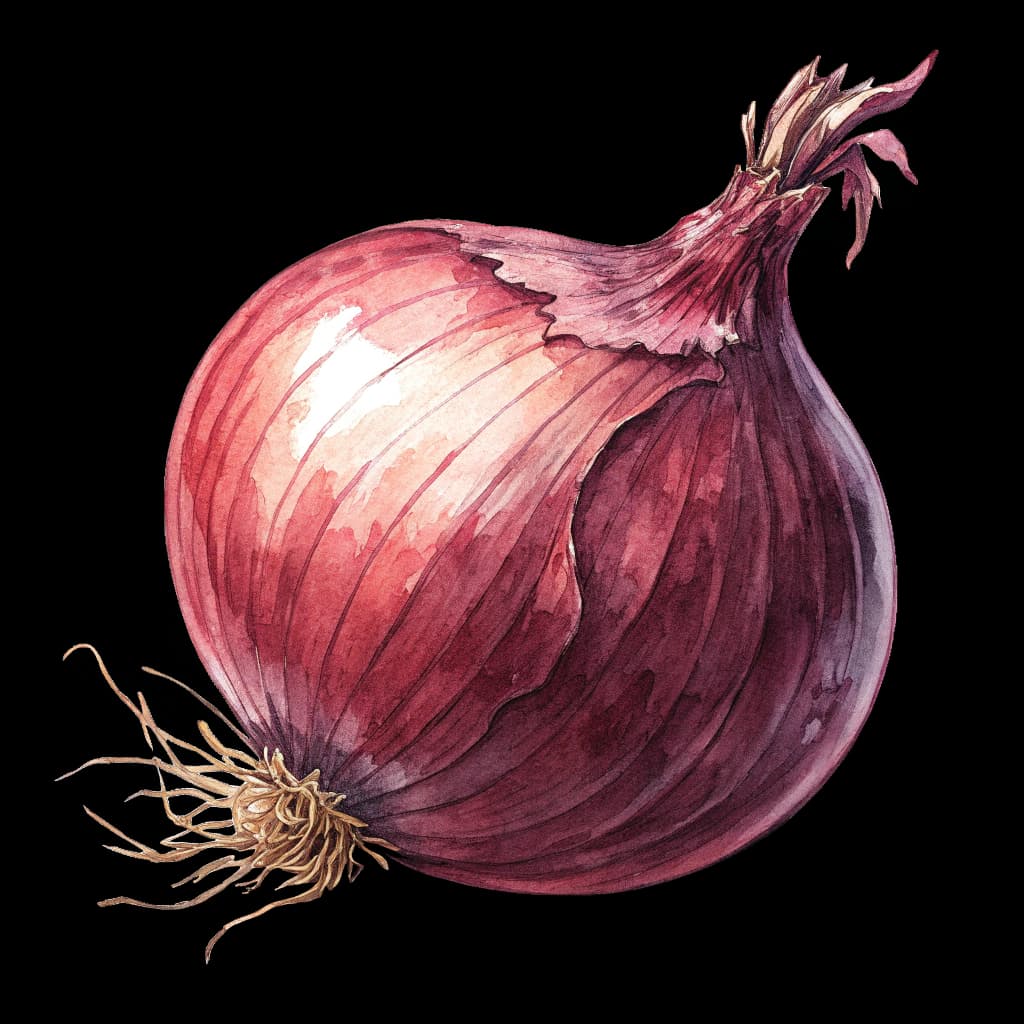
- 4 ounces red onion – thinly sliced (~1 medium red onion)
- 3/4 cup Kalamata olives – left whole
- 7 ounces feta cheese – drained, kept as a slab
- 1 tbsp red wine vinegar
- 1/4 cup extra-virgin olive oil
- 1 tsp dried oregano
- 3/4 tsp sea salt
- 1/4 tsp black pepper

Instructions
1. Prep the vegetables: Cut the tomatoes into wedges; halve the cucumber lengthwise and slice 0.5-inch thick; core and thinly slice the green bell pepper; peel and thinly slice the red onion.
2. Place the tomatoes and cucumber in a large bowl. Sprinkle with the sea salt, toss gently, and let stand 10 minutes to draw out some juices.
3. Add the green bell pepper, red onion, and Kalamata olives to the bowl and toss gently to combine.
4. Drizzle the red wine vinegar and the extra-virgin olive oil over the salad. Add the black pepper and toss briefly until the vegetables are lightly coated.
5. Transfer to a serving platter. Lay the slab of feta cheese on top and sprinkle the dried oregano over the feta and salad. Spoon a little of the bowl juices over the feta and serve at cool room temperature within 10–15 minutes.
Greek Salad, known in Greece as Horiatiki, is a bright, briny, and crisp salad built from peak-season tomatoes, cool cucumber, sweet green bell pepper, and sharp red onion. Briny Kalamata olives and a creamy, tangy block of feta anchor the flavors, while dried oregano and fragrant extra-virgin olive oil tie everything together. The textures are refreshing and sturdy, making it as satisfying beside grilled meats as it is on its own with bread.
The salad’s roots are firmly in Greek home cooking and taverna culture, where it embodies seasonal, sun-ripened produce and minimal adornment. Traditionally there is no lettuce; a slab of feta crowns the vegetables, and olives are often left whole. Across regions, small touches vary—some islands add capers—but the essence has remained consistent since the mid-20th century as a staple of everyday Greek tables and a symbol of the Mediterranean way of eating.