
Greek Orzo Salad

Ingredients
&w=3840&q=75)
&w=3840&q=75)
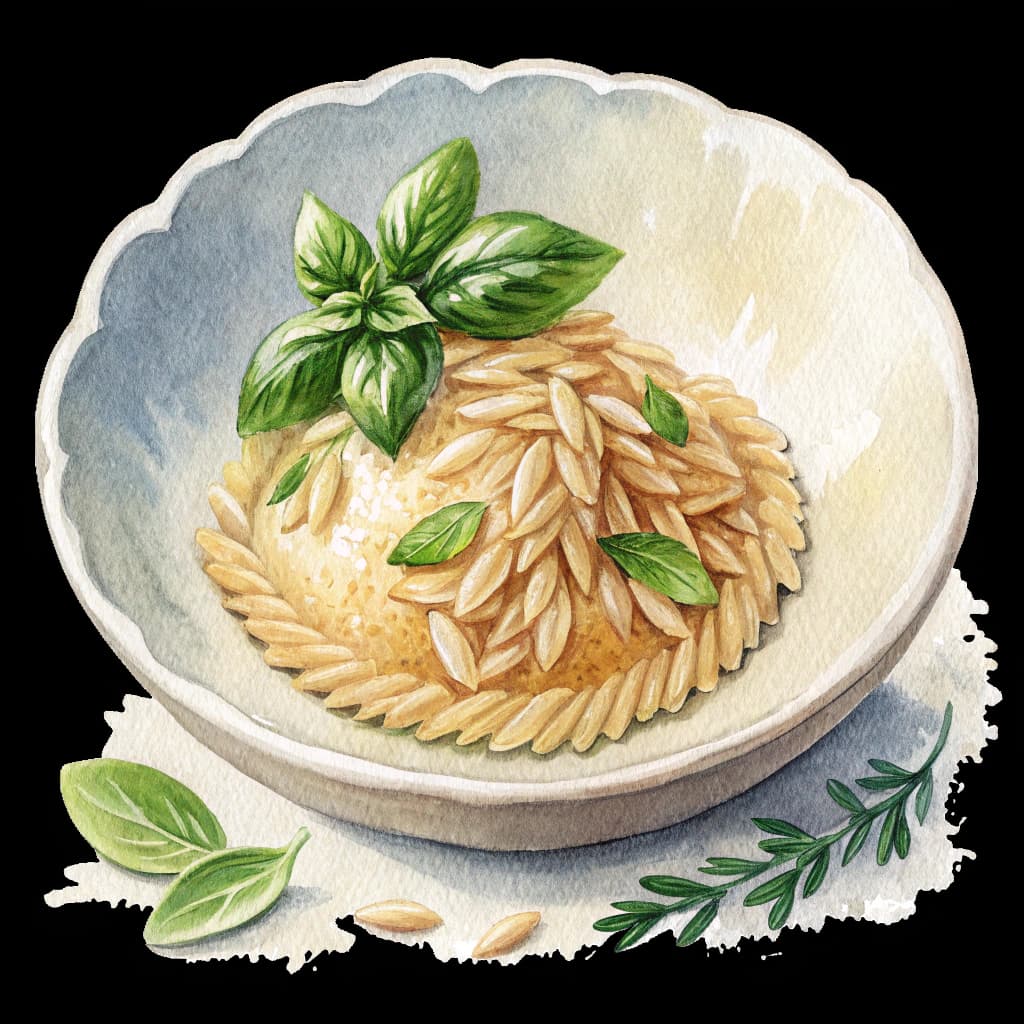
- 12 ounces orzo
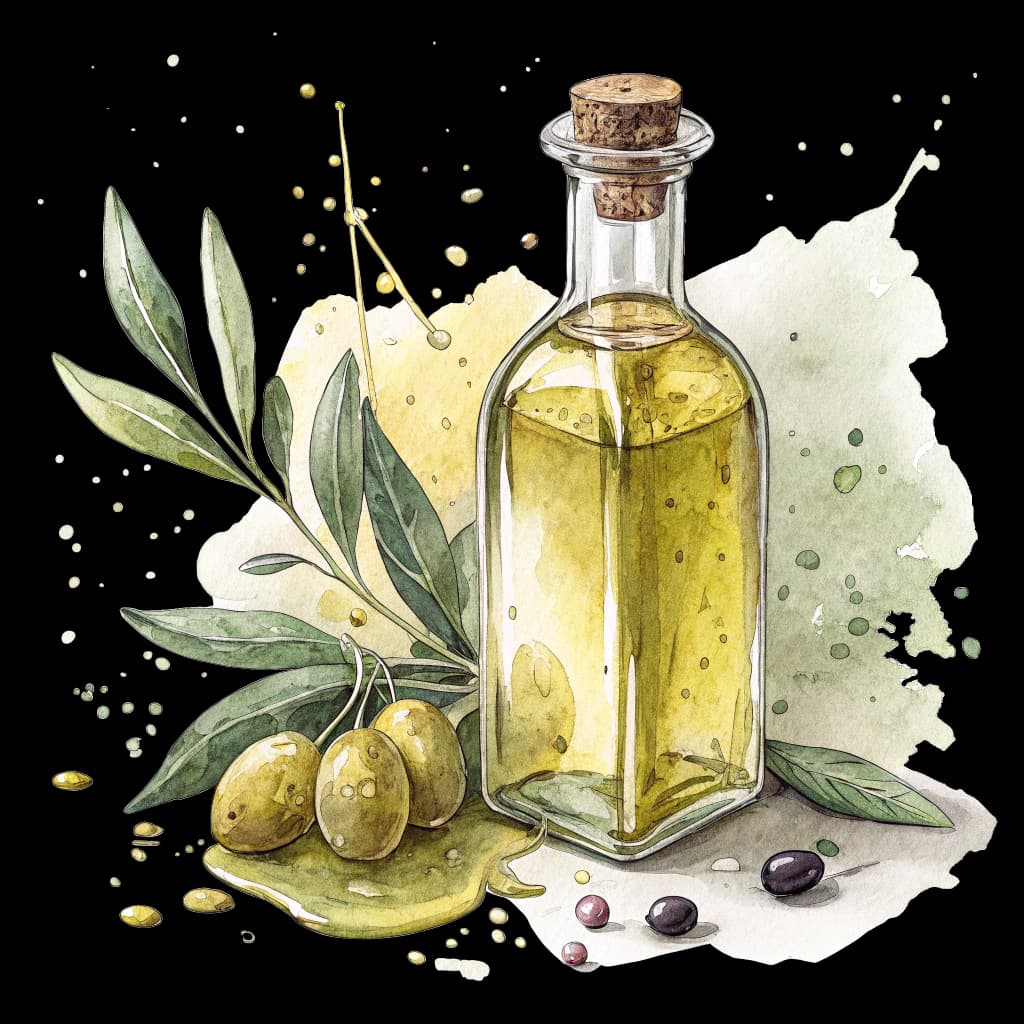
- 1/2 cup extra-virgin olive oil
- 1/4 cup lemon juice – freshly squeezed
- 2 tbsp red wine vinegar
- 2 cloves garlic – minced
- 1 1/2 tsp dried oregano
- 1 tsp kosher salt
- 1/2 tsp black pepper – freshly ground
- 2 cups cucumber – diced (~1 medium cucumber)
- 2 cups cherry tomatoes – halved
- 1 cup red bell pepper – diced (~1.5 medium red bell peppers)
- 1/2 cup red onion – thinly sliced (~0.5 medium red onions)
- 3/4 cup kalamata olives – pitted and halved
- 6 ounces feta cheese – crumbled
- 1/2 cup flat-leaf parsley – chopped (~0.5 n/a parsleys)
- 1/4 cup fresh dill – chopped

Instructions
1. Bring a large pot of water to a boil; cook orzo until just al dente, 8–10 minutes. Drain, rinse under cold water until cool, and drain very well.
2. In a large mixing bowl, whisk extra-virgin olive oil, lemon juice, red wine vinegar, garlic, dried oregano, kosher salt, and black pepper until emulsified.
3. Add the cooled pasta to the bowl and toss to coat evenly.
4. Add cucumber, cherry tomatoes, red bell pepper, red onion, kalamata olives, feta cheese, flat-leaf parsley, and fresh dill; fold gently to combine.
5. Let the salad stand for 10–15 minutes to meld, then taste and adjust seasoning to preference.
6. Serve at cool room temperature, or cover and chill up to 2 hours before serving.
Greek Orzo Salad is a bright, refreshing pasta salad that balances tender, rice-shaped orzo with crisp vegetables and briny accents. A lemony, olive oil–based dressing scented with oregano lifts the sweetness of tomatoes and the cool crunch of cucumber and bell pepper. Salty feta and Kalamata olives add depth and richness, while fresh parsley and dill keep the finish clean and herbal.
The salad draws on Greek pantry and garden staples, echoing the flavors of horiatiki (village salad) while using orzo (kritharaki), a pasta common in Greek cooking. While orzo is traditionally found in soups and baked dishes like yiouvetsi, it also appears in chilled salads for gatherings and warm-weather meals. Over time, this combination became a staple of picnics and potlucks, celebrated for being make-ahead friendly and universally appealing.