
Florentine Omelette

Ingredients
&w=3840&q=75)

&w=3840&q=75)
- 2 tablespoons shallot – finely chopped
- 1 teaspoon extra-virgin olive oil
- 2 cups baby spinach
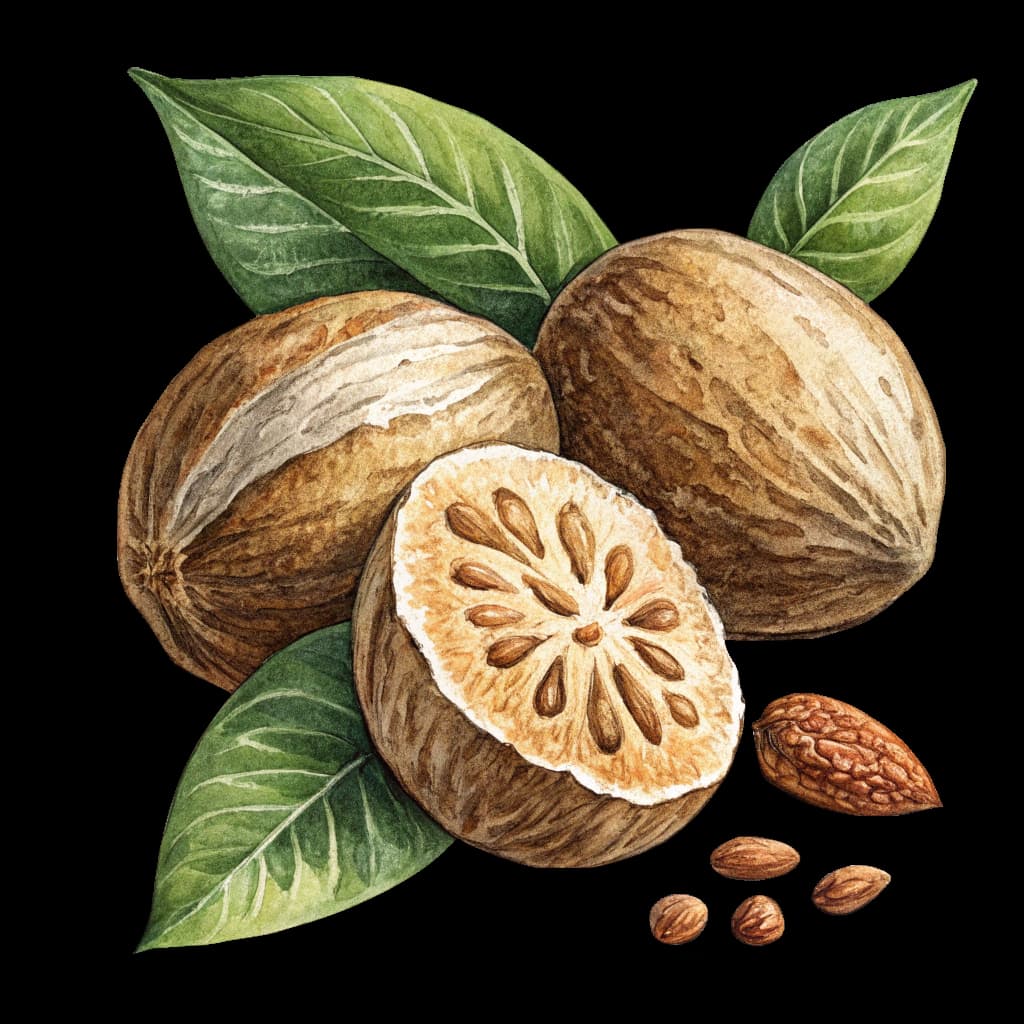
- 1/8 teaspoons ground nutmeg
- 3 large eggs
- 1/4 teaspoons kosher salt
- 1/8 teaspoons black pepper
- 1 tablespoon unsalted butter
- 1/4 cups Gruyère cheese – grated

Instructions
1. Warm the extra-virgin olive oil in a 10-inch nonstick skillet over medium heat until shimmering, about 1 minute; add the shallot and cook until translucent, 1–2 minutes; add the baby spinach and cook, tossing, until wilted and the pan is dry, 2–3 minutes; stir in the ground nutmeg, transfer the mixture to a plate, and wipe out the skillet.
2. Beat the eggs in a bowl until just blended, 15–20 seconds; season with the kosher salt and black pepper.
3. Melt the unsalted butter in the skillet over medium-low heat; when foaming subsides, pour in the mixture and stir with a silicone spatula while shaking the pan until small curds form and the surface is glossy but mostly set, 60–90 seconds; spread into an even layer, scatter the Gruyère cheese along the center, spoon the reserved filling on top, and fold the sides over to enclose; cook 15–30 seconds more until the underside is just pale golden, then slide to a warm plate and rest 30 seconds before serving.
A Florentine omelette pairs tender eggs with savory spinach for a delicate, buttery fold that is both satisfying and refined. The filling brings gentle sweetness from shallot and a faint warmth of nutmeg, while Gruyère melts into soft strands that enrich without overpowering. The result is a moist, barely set interior and a smooth exterior—comforting yet elegant, ideal for breakfast, brunch, or a light supper.
In classical cookery, the term “à la Florentine” signals the presence of spinach, a nod to Florence and the broader Tuscan tradition. French culinary lore often connects spinach cookery to Catherine de’ Medici, whose arrival at the French court popularized preparations with greens, though historians debate the exact lineage. Over time, the Florentine idea spread across egg dishes—from poached eggs with Mornay to omelettes—cementing spinach as the defining element rather than any single cheese or sauce.