
Crème Anglaise

Ingredients
&w=3840&q=75)
&w=3840&q=75)
&w=3840&q=75)
- 1 each vanilla bean – split lengthwise, seeds scraped
- 2 cups whole milk
- 1/2 cups granulated sugar
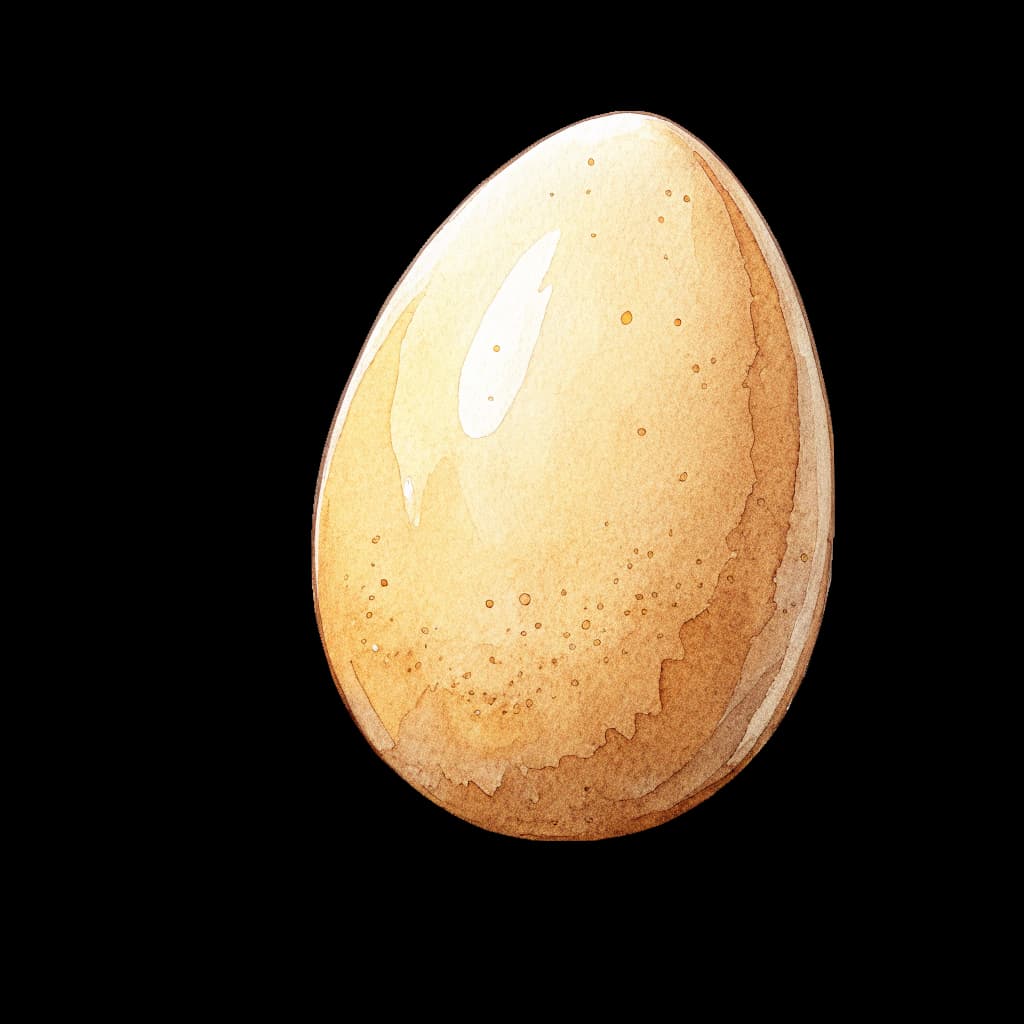
- 6 large eggs – yolks only

Instructions
1. Split the vanilla bean and scrape out the seeds. Add the seeds and pod to a medium saucepan with the milk.
2. Warm the milk over medium heat until steaming and small bubbles form around the edges, 3–5 minutes. Remove from heat, cover, and let steep 10 minutes.
3. In a mixing bowl, whisk the egg yolks and sugar until slightly lightened and smooth, 1–2 minutes.
4. Return the milk to medium heat just until steaming again. While whisking constantly, slowly drizzle about half the hot milk into the yolk mixture to temper.
5. Pour the tempered mixture back into the saucepan. Cook over low heat, stirring constantly with a heatproof spatula and scraping the bottom and corners, 5–8 minutes, until the custard reaches 175–180°F/79–82°C and coats the back of a spoon (a clean line holds when you run a finger across).
6. Immediately remove from heat and strain through a fine-mesh sieve into a clean bowl; discard the vanilla pod.
7. Set the bowl over an ice bath and stir until the sauce is no longer warm to the touch and reads about 70°F/21°C, 10–15 minutes.
8. Press plastic wrap directly onto the surface and refrigerate until fully chilled and slightly thickened, about 2 hours. Serve cold or gently rewarmed until just warm, taking care not to exceed 160°F/71°C.
Crème anglaise is a classic French pouring custard, prized for its silky, light texture and fragrant vanilla aroma. It’s sweet but not cloying, with a clean dairy richness that delicately coats the palate. Served warm or cold, it brings finesse to cakes, fruit tarts, poached pears, chocolate desserts, and the ethereal île flottante.
Rooted in haute pâtisserie, crème anglaise exemplifies careful stovetop egg-thickening without flour or starch. Its name—“English cream”—reflects historical culinary exchanges between France and England, though the technique became central to French pastry canon. Codified by 19th- and early 20th‑century masters, it endures as a foundational sauce taught in culinary schools and patisserie kitchens worldwide.