
Chipotle Salsa

Ingredients
&w=3840&q=75)
&w=3840&q=75)
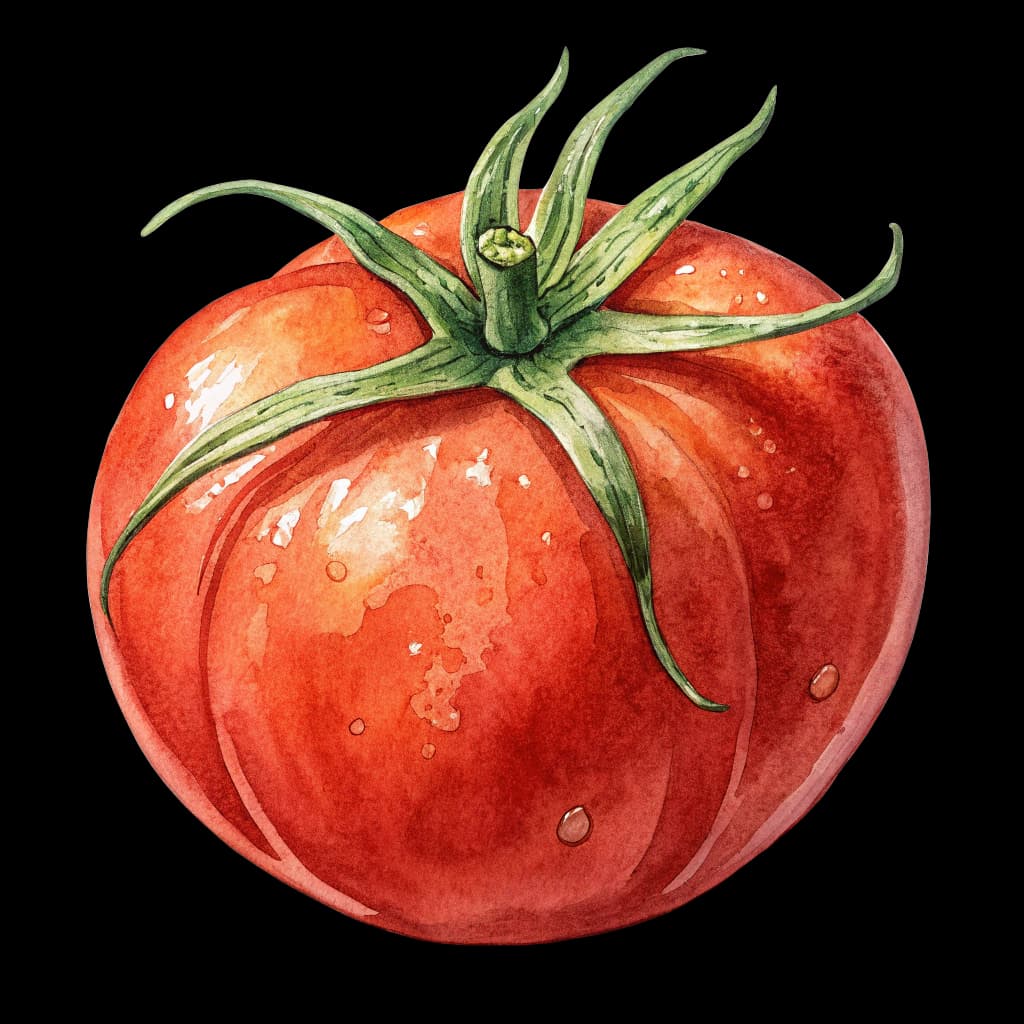
- 1 1/4 pounds roma tomatoes – halved (~9.5 medium roma tomatos)
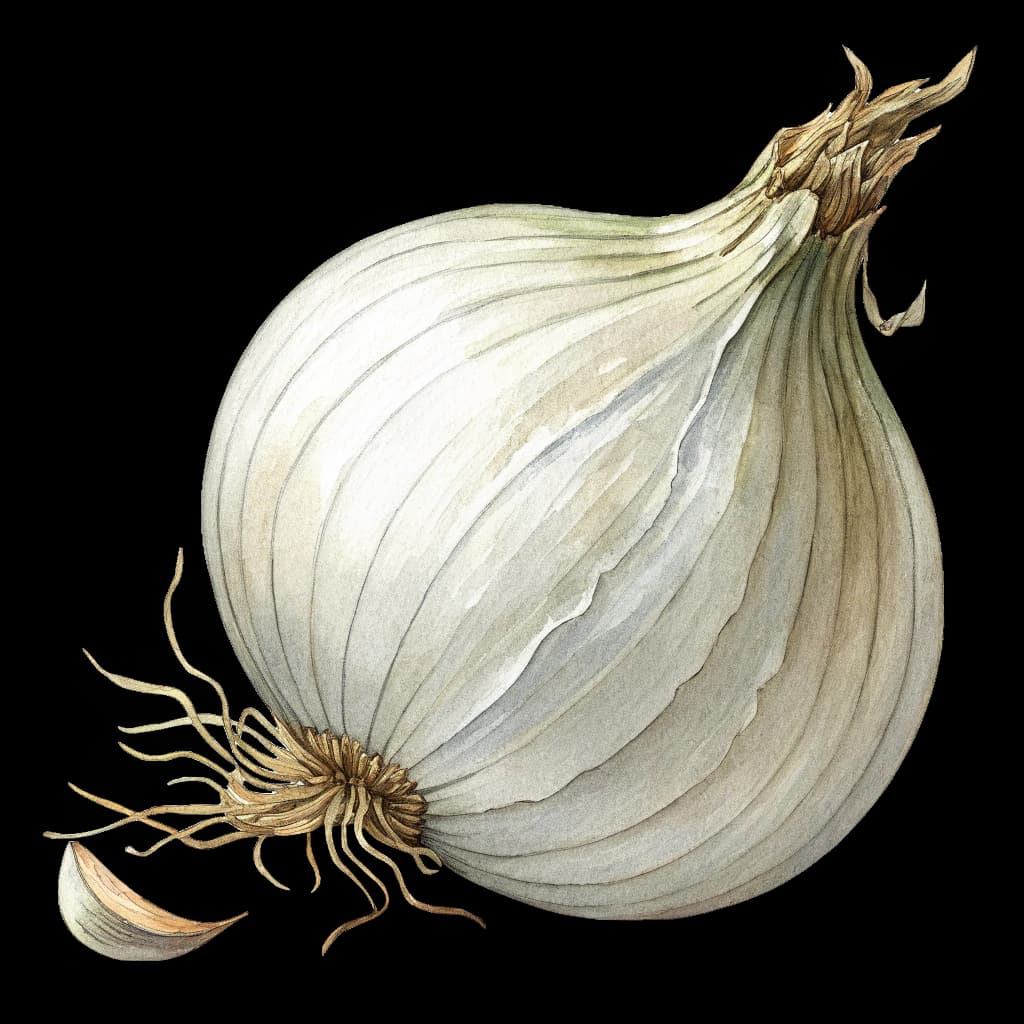
- 4 ounces white onion – thickly sliced (~1 medium white onion)
- 2 cloves garlic
- 2 chiles canned chipotle chiles in adobo
- 2 tsp adobo sauce (from canned chipotles)
- 1 tbsp white vinegar
- 3/4 tsp kosher salt
- 1/4 cup water
- 1 tbsp vegetable oil

Instructions
1. Position an oven rack 6 inches from the broiler and heat the broiler. Arrange the roma tomatoes, white onion, and garlic on a foil-lined sheet; broil, turning once, until lightly charred and softened, 6–10 minutes.
2. Peel the roasted cloves. Transfer the roasted mixture to a blender with the canned chipotle chiles in adobo, adobo sauce (from canned chipotles), white vinegar, kosher salt, and water; blend until smooth or to desired texture.
3. Warm the vegetable oil in a medium saucepan over medium heat. Pour in the blended salsa and bring to a lively simmer; cook, stirring, 5–8 minutes until slightly thickened and the raw edge has cooked off.
4. Let cool 10 minutes, then taste and adjust seasoning. Serve at room temperature or chilled.
Chipotle salsa is a smoky, robust table salsa built on the gentle heat of chipotle chiles and the sweetness of roasted tomatoes. The flavor balances charred aromatics, tangy acidity, and deep chile smokiness, yielding a sauce that pairs as naturally with tortilla chips as it does with tacos, eggs, grilled meats, and beans. Its texture can range from silky smooth to rustic and pulpy, but it always carries a distinctive, lingering warmth and savory depth.
Chipotles are ripe red jalapeños that are dried and smoked—a preservation method with pre-Hispanic roots in central and southern Mexico. Over time, chipotles have been prepared both as dried morita or meco chiles and as chipotles en adobo, stewed in a spiced vinegar-tomato sauce that became widely popular in the 20th century. Chipotle salsa sits alongside other classic Mexican salsas at home tables, taquerías, and markets, valued for its versatility and its ability to lend smoke and structure to everyday dishes.