
Cacio E Pepe

Ingredients

&w=3840&q=75)

- 2 tbsp kosher salt
- 12 ounces spaghetti
- 2 1/2 tsp black peppercorns – coarsely cracked
- 4 ounces pecorino romano – finely grated

Instructions
1. Bring 4 quarts of water to a rolling boil over high heat, 8–10 minutes; add the kosher salt and keep at a boil.
2. Finely grate the pecorino romano to a fluffy, powdery texture and set aside, 2–3 minutes.
3. Toast the black peppercorns in a wide skillet over medium heat until fragrant, 1–2 minutes; ladle in 3/4 cup of the boiling water and simmer to make a peppery broth, 1 minute.
4. Cook the spaghetti in the boiling water until just shy of al dente, 1–2 minutes less than package time (usually 7–9 minutes); reserve 1 1/2 cups pasta water, then transfer the pasta to the skillet with the pepper broth.
5. Toss over medium heat until the liquid reduces to a shallow, silky pool in the pan, 1–2 minutes, adding splashes of reserved water as needed.
6. Remove the skillet from heat; sprinkle in the grated cheese in 3 additions, tossing vigorously and adding small splashes of reserved water as needed until the sauce is glossy and creamy and clings to the pasta without clumping, 1–3 minutes. Serve immediately.
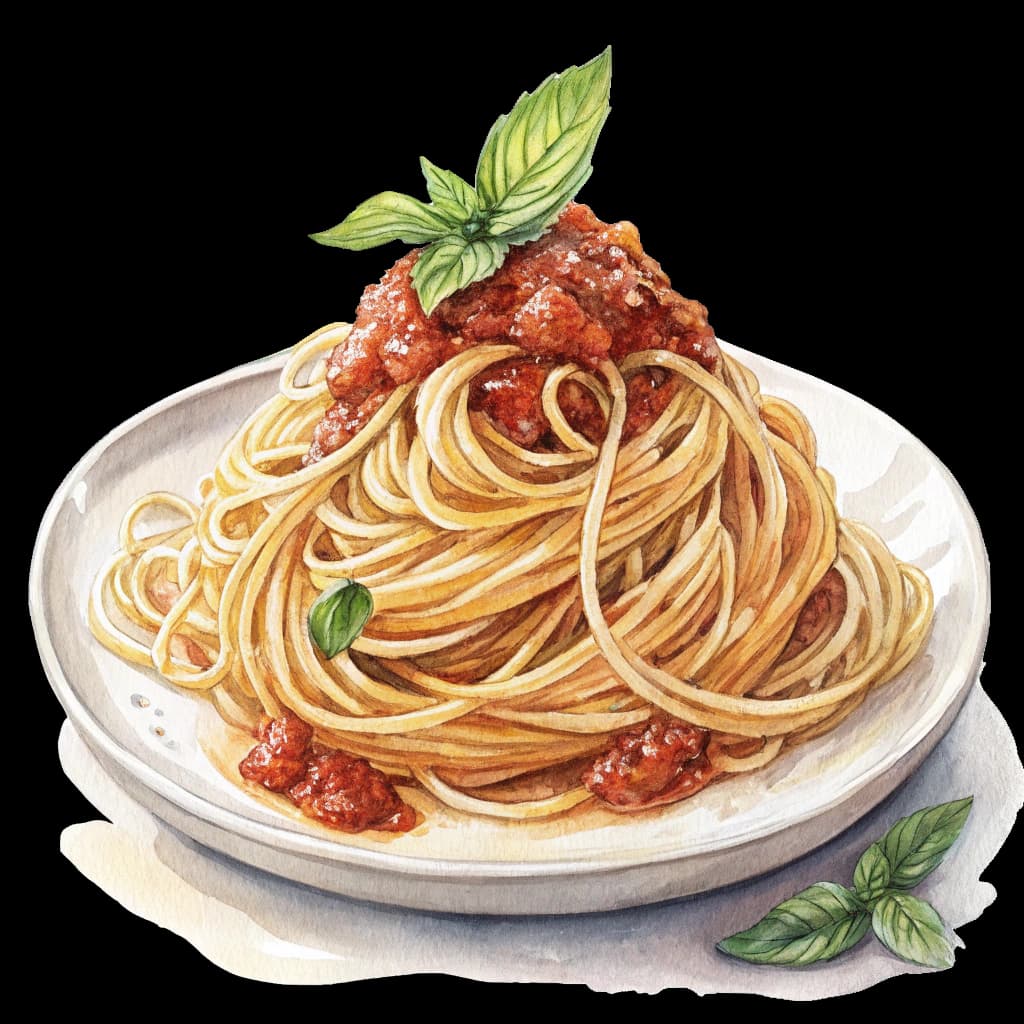
Cacio e pepe is a Roman pasta defined by two bold flavors: salty, tangy sheep’s milk cheese and freshly cracked black pepper. The sauce is an emulsion made only from cheese and starchy pasta water, coating each strand in a glossy, pepper-flecked cream. The result is intensely savory, warm with spice, and deceptively simple—rich but light, with a silken texture that comes from technique rather than added fat.
Rooted in cucina povera, the dish showcases how few ingredients can deliver depth when handled carefully. Its origins are tied to Lazio’s pastoral traditions, where hard, aged cheeses like Pecorino Romano were staples for shepherds. Over time, Roman trattorie refined the method: toasting pepper for aroma, and forming a stable cheese emulsion off the heat to avoid clumping, creating the minimalist classic served across Rome today.