
Cabbage Soup

Ingredients

&w=3840&q=75)
&w=3840&q=75)
- 2 tbsp olive oil
- 8 ounces onion – finely chopped (~1.5 medium onions)
- 6 ounces carrot – thinly sliced (~3 medium carrots)
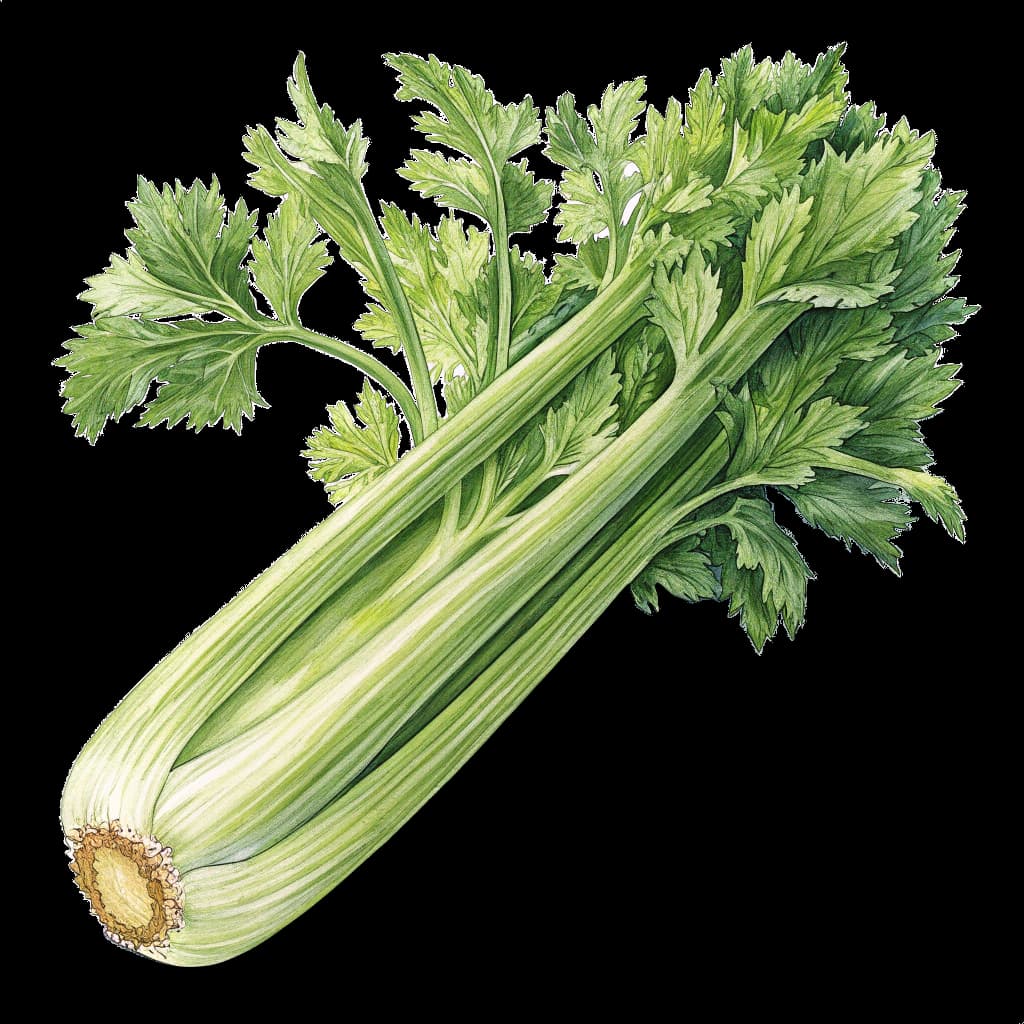
- 4 ounces celery – thinly sliced
- 4 cloves garlic – minced
- 1 tbsp tomato paste
- 1 tsp sweet paprika
- 1/2 tsp caraway seeds
- 1 1/2 pounds green cabbage – cored and thinly sliced (~0.5 medium green cabbages)
- 12 ounces potatoes – peeled and diced 0.5-inch (~2 medium potatos)
- 28 ounces diced tomatoes (canned) – with juices
- 8 cups vegetable broth
- 2 leaves bay leaves
- 1 tsp dried thyme
- 2 tsp kosher salt
- 1/2 tsp black pepper – freshly ground
- 1 1/2 tbsp white wine vinegar
- fresh parsley – chopped (for serving)

Instructions
1. Heat the olive oil in a large heavy pot over medium heat.
2. Add the onion, carrot, and celery; cook, stirring occasionally, until softened, 7–8 minutes.
3. Stir in the garlic, tomato paste, sweet paprika, and caraway seeds; cook until fragrant, about 1 minute.
4. Add the cabbage and cook, stirring, until it begins to wilt, 3–4 minutes.
5. Add the potatoes, diced tomatoes with their juices, vegetable broth, bay leaves (you will discard them later), dried thyme, kosher salt, and black pepper. Bring to a boil.
6. Reduce to a lively simmer, partially cover, and cook until the potatoes are tender and the cabbage is silky, 25–30 minutes; discard them.
7. Stir in the white wine vinegar and let the soup settle for 2 minutes; adjust seasoning if needed.
8. Ladle into bowls and top with parsley; serve hot.
Cabbage soup is a comforting, vegetable-forward soup with a gentle sweetness from slow-cooked cabbage, balanced by savory aromatics and a bright, tangy finish. Tender potatoes and a tomato-rich broth make it hearty yet light, with paprika and a hint of caraway adding warmth and depth. It’s the kind of soup that improves as it rests, making leftovers especially rewarding.
Across Eastern and Central Europe, cabbage soup appears in many forms and seasons. Russian shchi features fresh or fermented cabbage, while Polish and Ukrainian versions often lean on sauerkraut for a pleasant sourness. Variants travel through Hungarian, Slovak, and Ashkenazi Jewish kitchens, and immigrant cooking helped shape a tomato-based, meatless rendition common in American home kitchens and diners today.