
Birria

Ingredients
&w=3840&q=75)
&w=3840&q=75)
&w=3840&q=75)
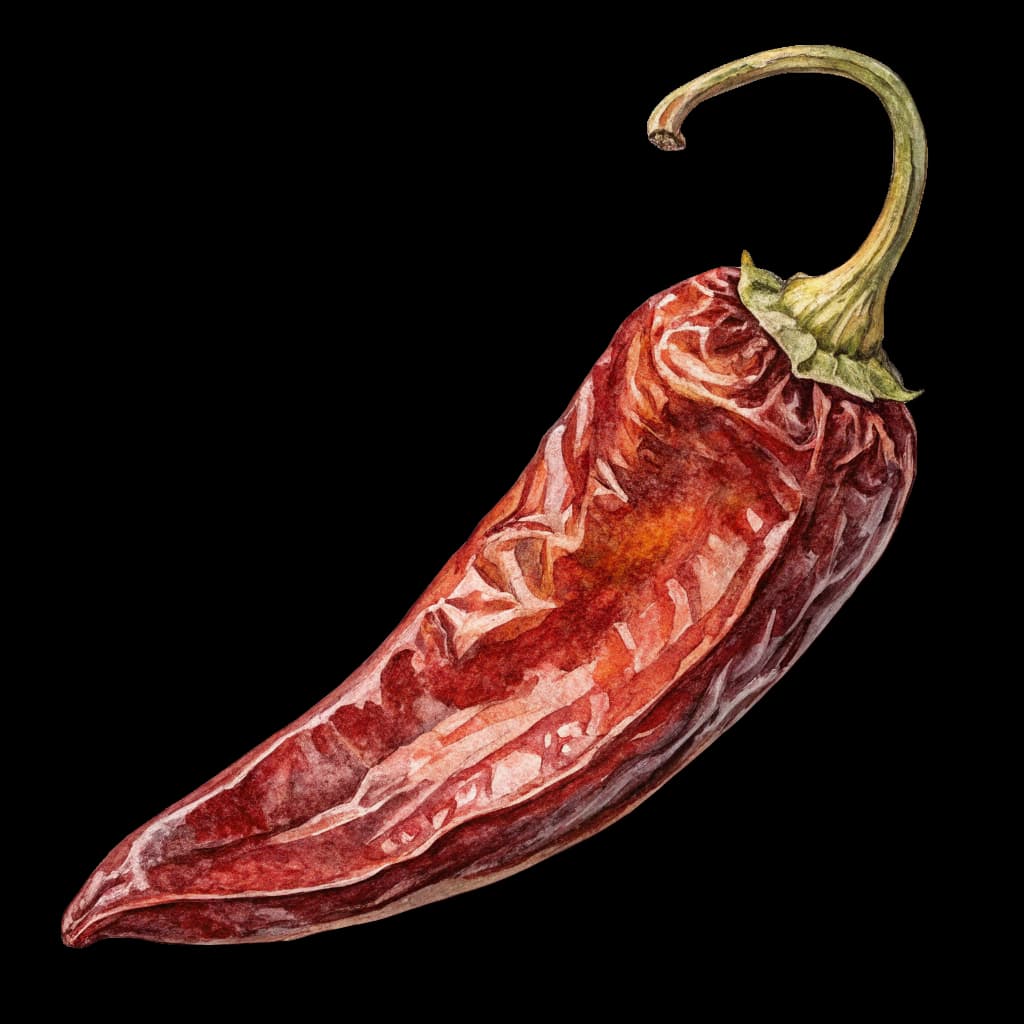
- 10 pieces dried guajillo chiles – stems and seeds removed
- 4 pieces dried ancho chiles – stems and seeds removed
- 2 pieces dried pasilla chiles – stems and seeds removed
- 2 tbsp neutral oil
- 8 cups water
- 2 pieces roma tomatoes
- 1 pieces white onion – coarsely chopped
- 8 cloves garlic cloves
- 1 1/2 tsp cumin seeds
- 1 1/2 tsp black peppercorns
- 3 pieces whole cloves
- 1 pieces mexican cinnamon stick – about 2-inch piece, broken up
- 2 tsp dried Mexican oregano – crumbled
- 1/2 tsp dried thyme – crumbled
- 1/2 tsp dried marjoram – crumbled
- 1/4 cups apple cider vinegar
- 2 tbsp kosher salt
- 4 pounds goat meat, bone-in – cut into large chunks
- 2 pieces bay leaves
- white onion – finely chopped (for serving)
- cilantro – chopped (for serving)
- corn tortillas – warmed (for serving)
- lime wedges – for serving

Instructions
1. Stem and seed the guajillo, ancho, and pasilla chiles. Heat the oil in a large skillet over medium heat and toast the chiles in batches, turning until fragrant and slightly darkened, 30–45 seconds per side; do not burn.
2. Bring 3 cups of the water to a boil. Place the toasted chiles in a bowl and cover with the boiling water. Soak until pliable and deeply rehydrated, 20–30 minutes. Reserve the soaking liquid.
3. While the chiles soak, char the tomatoes in the same dry skillet over medium-high heat, turning until blistered and softened, 6–8 minutes. Add the coarsely chopped onion and cook, stirring, until lightly browned in spots, 3–4 minutes.
4. In the empty skillet over medium heat, toast the cumin seeds, black peppercorns, whole cloves, and broken cinnamon piece until aromatic, 1–2 minutes.
5. Transfer the soaked chiles to a blender along with 1 to 1.5 cups of the chile soaking liquid, the charred tomatoes, browned onion, garlic cloves, toasted spices, Mexican oregano, thyme, marjoram, apple cider vinegar, and 1.5 tablespoons of the kosher salt. Blend until perfectly smooth, 1–2 minutes, adding a splash more soaking liquid only if needed to keep the blades moving.
6. For a silky adobo, strain the puree through a fine-mesh sieve into a bowl, pressing to extract as much liquid as possible; discard the solids caught in the sieve.
7. Place the goat pieces in a nonreactive bowl or roasting pan, pour the strained adobo over, and turn to coat well. Cover and refrigerate to marinate for 4–12 hours.
8. Preheat the oven to 325°F (165°C). Scrape the meat and all the adobo into a heavy Dutch oven, add the bay leaves, and pour in enough of the remaining water to come about halfway up the meat (typically 4–5 cups). Do not fully submerge.
9. Cover the pot tightly with a lid or a double layer of foil to trap steam. Bake until the goat is very tender and shreds easily with a fork, 3–3.5 hours. Alternatively, simmer covered on the stovetop over low heat, adjusting heat to maintain a gentle bubble, 2.5–3 hours.
10. Uncover and skim excess fat from the surface; reserve a few spoonfuls if you like for warming tortillas. Taste the consommé and season with some of the remaining 0.5 tablespoon kosher salt if needed.
11. Using tongs, pull the meat into bite-size shreds and return it to the pot. Bring to a gentle simmer for 5 minutes to rewarm and meld flavors.
12. Serve the birria in bowls, ladling both meat and hot consommé. Top with finely chopped white onion and chopped cilantro, and squeeze lime wedges over to taste. Serve with warmed corn tortillas alongside.
Birria is a celebratory meat stew from the state of Jalisco, prized for its deep, brick-red broth and layered aromas of toasted chiles, warm spices, and slow-cooked meat. The texture balances tender shreds of goat or other meat with a clean, lightly fatty consommé that carries gentle heat and subtle sweetness from rehydrated dried chiles. It is traditionally served with chopped onion, cilantro, and lime, plus warm corn tortillas to dip or fold alongside.
Historically associated with towns like Cocula in Jalisco, birria was originally made with goat (birria de chivo) and cooked in a sealed pot or pit, perfumed with a chile-based adobo. Over time, regional and diaspora adaptations have embraced lamb and beef, with Tijuana’s birria de res and the rise of “quesabirria” tacos popularizing the dish globally. Despite modern variations, the heart of birria remains the long marinade, careful chile treatment, and slow, moist cooking that yields a rich, restorative broth.