
Bagna Cauda

Ingredients
&w=3840&q=75)
&w=3840&q=75)
&w=3840&q=75)
- 2 peppers red bell peppers
- 16 ounces small waxy potatoes – scrubbed (~11.5 small fingerling potatos)
- 12 ounces cauliflower – cut into florets
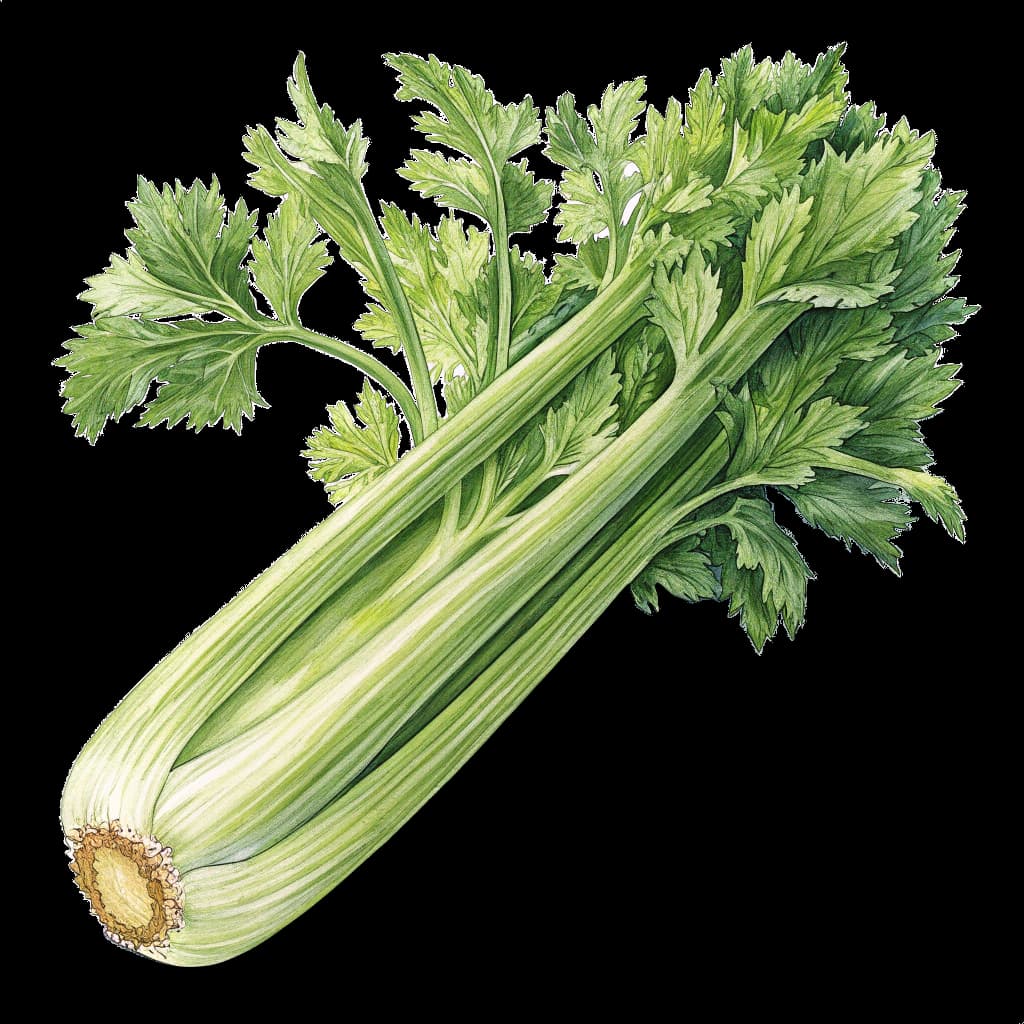
- 4 ribs celery ribs – cut into sticks
- 8 ounces carrots – peeled and cut into sticks (~4 medium carrots)
- 8 ounces radishes – trimmed (~25 small radishes)
- 1 bulb fennel bulb – cored and cut into wedges
- 2 heads endive – leaves separated
- 1 cup extra-virgin olive oil
- 12 cloves garlic – thinly sliced
- 12 fillets anchovy fillets (packed in oil) – drained
- 8 tablespoons unsalted butter
- 1/4 teaspoon black pepper – freshly ground

Instructions
1. Char the red bell peppers under the broiler, turning until blistered and blackened in spots, 8–12 minutes; transfer to a bowl, cover 10 minutes, then peel, seed, and slice into strips; set aside.
2. Simmer the small waxy potatoes in boiling water until tender when pierced, 12–15 minutes; drain and keep warm.
3. Blanch the cauliflower in boiling water until crisp-tender, 2–3 minutes; drain and cool.
4. Cut the celery ribs and carrots into sticks, trim the radishes, core and cut the fennel bulb into wedges, and separate the endive leaves; arrange all the prepared vegetables on a large platter.
5. Combine the extra-virgin olive oil and garlic in a small heavy saucepan; cook over very low heat, stirring occasionally, until the garlic is soft but not browned, 8–10 minutes.
6. Add the anchovy fillets (packed in oil) and stir, mashing with a spoon until they dissolve into the oil, 3–5 minutes.
7. Stir in the unsalted butter until melted and emulsified, 1–2 minutes; season lightly with black pepper.
8. Pour the bagna cauda into warmed small bowls or a fondue pot and keep warm over a candle or low flame; serve immediately with the platter of vegetables for dipping.
Bagna Cauda is a gently simmered, warm emulsion of olive oil, butter, garlic, and anchovies that functions as both sauce and centerpiece. The flavor is deeply savory and umami-rich from the anchovies, rounded by sweet, mellow garlic and the richness of butter and olive oil. It is traditionally served piping hot so that crisp raw and simply cooked vegetables can be dipped and eaten communally at the table.
Originating in Italy’s Piedmont region, the name translates to “hot bath,” a nod to the small earthenware pots kept warm over candles during winter gatherings. It is closely tied to the grape harvest season and the historic trade that brought anchovies inland from the Ligurian coast. Over time, the dish has become a symbol of conviviality in northern Italy, still celebrated at festivals and family meals where guests linger over vegetables and sauce until the pot is wiped clean.