
Tibs

Ingredients

&w=3840&q=75)
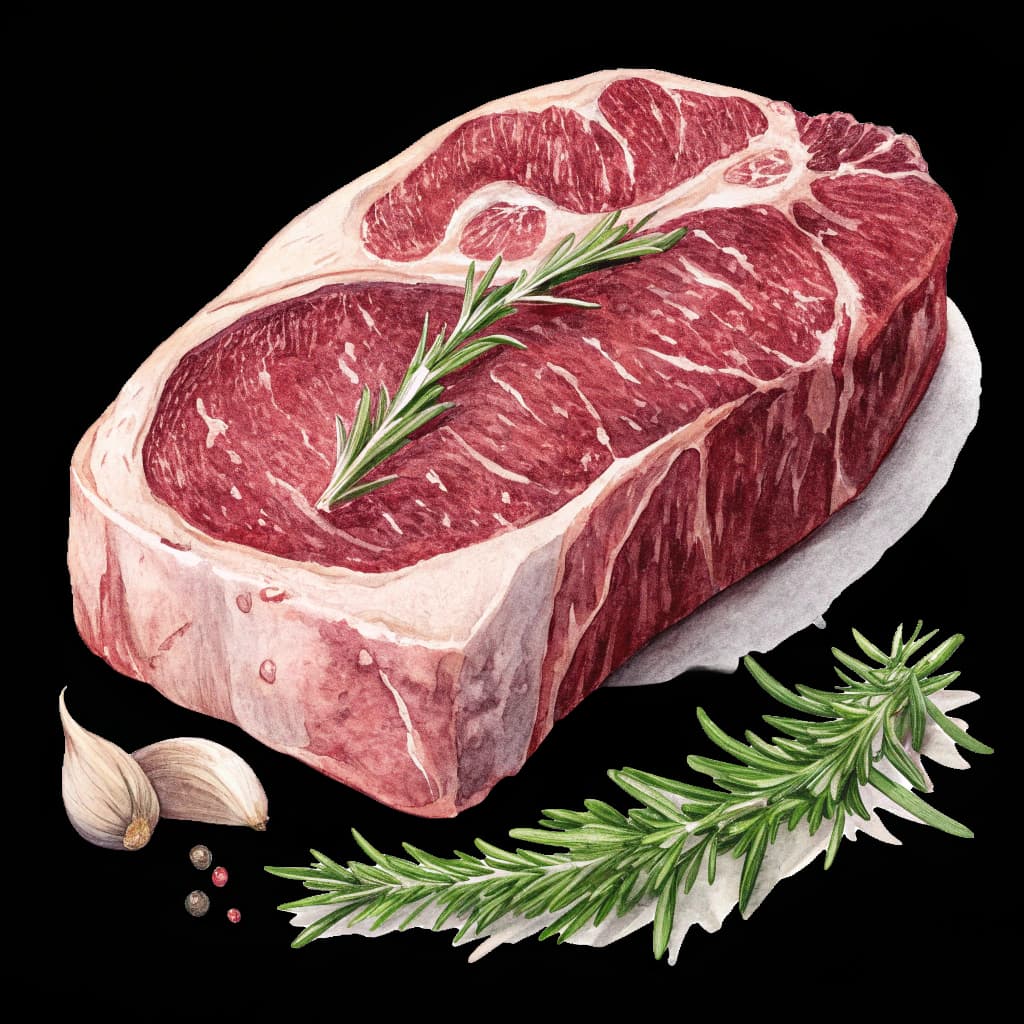
- 1 1/2 pounds beef sirloin – cut into 0.75-inch cubes, patted dry
- 1 1/4 tsp kosher salt
- 1/2 tsp ground black pepper
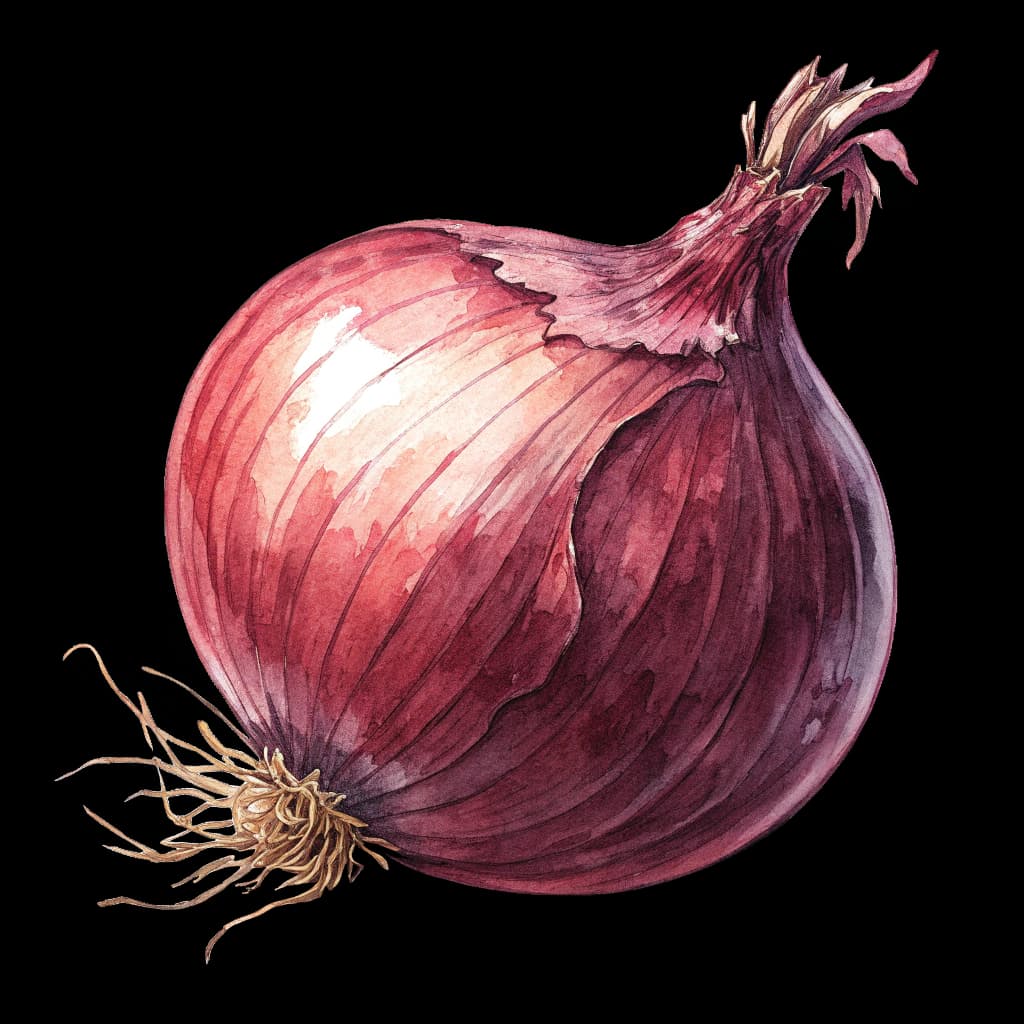
- 2 cups red onion – thinly sliced (~1.5 medium red onions)
- 1 cups green bell pepper – thinly sliced (~0.5 medium green bell peppers)
- 2 jalapeños jalapeño – thinly sliced
- 4 cloves garlic – minced
- 1 tbsp berbere spice blend
- 3 tbsp niter kibbeh – divided
- 1 cups tomato – diced (~1.5 medium tomatos)
- 2 tsp rosemary – finely chopped
- 1 tbsp lemon juice – fresh
- injera – for serving

Instructions
1. Pat the beef sirloin dry and cut into 0.75-inch cubes; season evenly with the kosher salt and black pepper.
2. Heat a large heavy skillet over medium-high until hot. Melt 2 tbsp of the niter kibbeh, reserving 1 tbsp for later use. Sear half the seasoned meat in a single layer until well browned on two sides, 3–4 minutes total; transfer to a bowl. Repeat with the remaining meat; pour off excess fat, leaving a thin film.
3. Reduce heat to medium. Add the red onion and cook, stirring, until translucent with lightly browned edges, 5–7 minutes. Stir in the garlic and the berbere spice blend and cook until fragrant, 30–60 seconds.
4. Add the green bell pepper and the jalapeño and cook until just tender-crisp, 2–3 minutes; if the pan looks dry, add the reserved fat.
5. Return the browned meat and any juices to the skillet, add the tomato and the fresh rosemary, and toss until the tomato just softens and everything is coated, 2–4 minutes.
6. Off the heat, stir in the lemon juice and rest 1 minute; taste and adjust seasoning if needed.
7. Serve hot with injera.
Tibs is a beloved Ethiopian sauté of bite-size meat cooked hot and fast in spiced clarified butter, with a savory backbone of onion and a warm glow from berbere. The meat stays juicy from quick searing, while peppers and aromatics keep the dish bright and aromatic. It’s typically brought to the table sizzling, meant to be scooped with injera, which soaks up the seasoned juices and spice.
Historically, tibs signals generosity and celebration, often prepared to honor guests or mark special days. The dish has many regional and household expressions, from derek tibs (dry, with little sauce) to wet tibs (with more juices) and shekla tibs served in a heated clay pot. Across these variations, the essentials remain: good meat, niter kibbeh, chilies, and a careful balance of heat and fragrance that reflects Ethiopia’s culinary traditions.