
Steamed Mussels

Ingredients
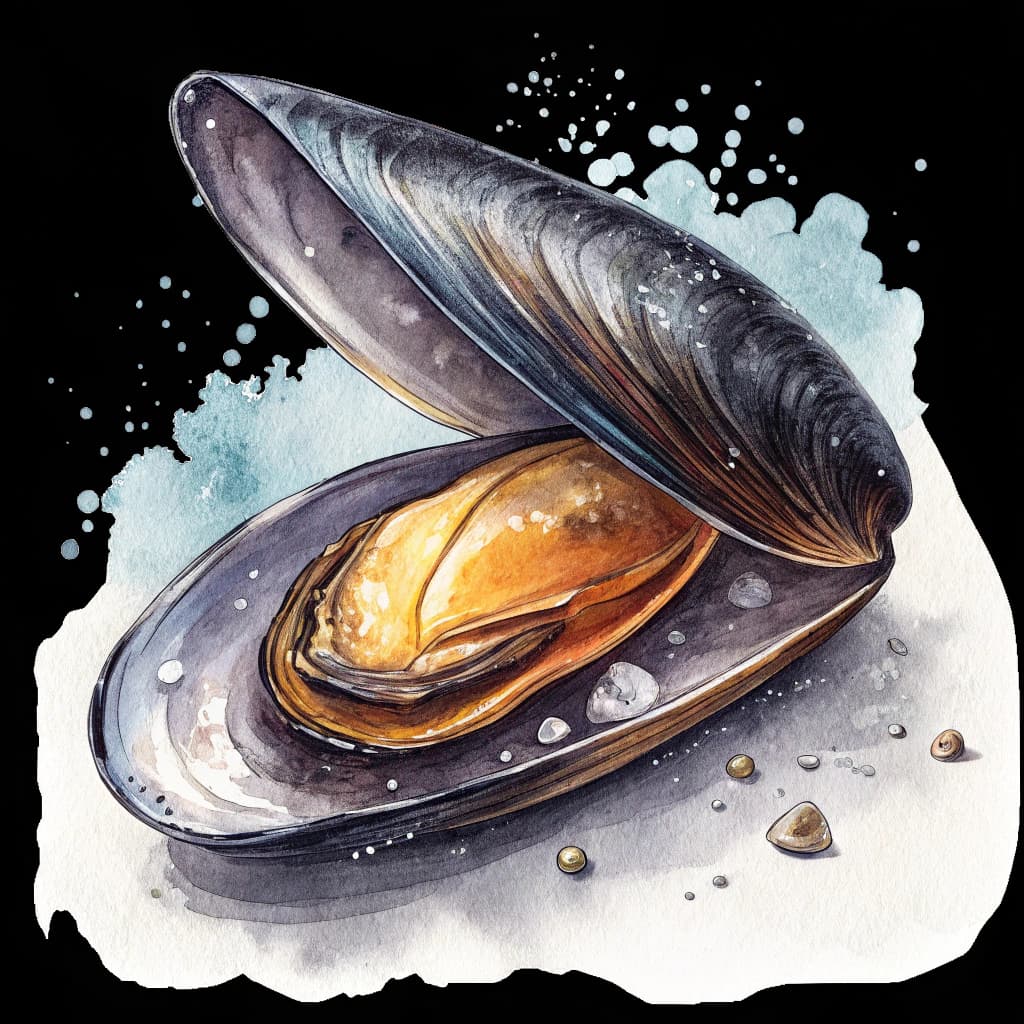
&w=3840&q=75)
&w=3840&q=75)
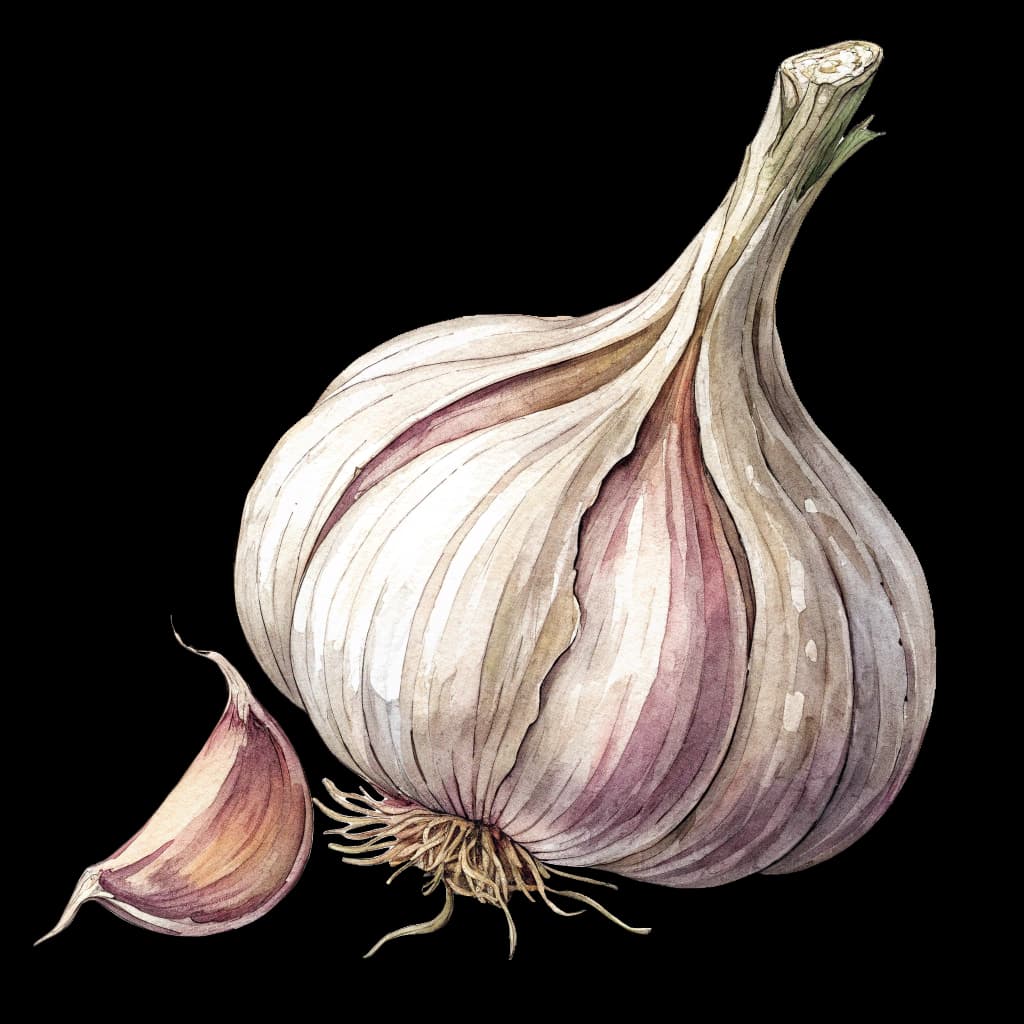
- 4 pounds mussels – scrubbed, debearded (~252 medium mussels)
- 3 tbsp unsalted butter
- 1/2 cups shallots – finely chopped (~2.5 medium shallots)
- 3 cloves garlic – finely chopped
- 1 cups dry white wine
- 4 sprigs fresh thyme
- 1 leaf bay leaf
- 1/2 tsp black pepper – freshly ground
- 1/2 cups flat-leaf parsley – chopped (~0.5 n/a parsleys)
- lemon – cut into wedges (for serving)
- crusty bread – for serving

Instructions
1. Sort and clean the mussels: Under cold running water, scrub shells well, pull off beards toward the hinge, and discard any that are cracked or that stay open when tapped; drain and keep chilled.
2. Set a large wide pot with a tight-fitting lid over medium heat; add the unsalted butter. When it foams, add the shallots and cook until translucent, 3–4 minutes, then stir in the garlic and cook just until fragrant, 30–60 seconds.
3. Raise heat to high; pour in the dry white wine, add the fresh thyme and the bay leaf, and bring to a vigorous boil for 1 minute.
4. Tip the cleaned shellfish into the pot, cover, and steam over high heat 5–7 minutes, shaking the pot once or twice, until most shells have opened and the meats are plump.
5. Remove from heat, uncover, and discard any shells that stayed closed. Fish out and discard the herb stems and leaf, then stir in the flat-leaf parsley and season with the black pepper.
6. Ladle the cooked shellfish and broth into warm bowls and serve immediately with lemon and crusty bread.
Steamed Mussels are a briny, gently aromatic dish where the shellfish open in a hot cloud of wine and butter, releasing sweet juices into the pot. Shallots and garlic perfume the steam, thyme and bay add a savory backbone, and a sprinkle of parsley brightens the finish. The broth is light, clean, and deeply savory—made for dipping with crusty bread—and the mussels themselves are tender and plump.
Rooted in coastal kitchens, this preparation is best known as moules marinières in France and beloved across Belgium as well. The technique—quick steaming over high heat with wine and aromatics—emerged from fishing communities who prized speed and simplicity. Over time it spread into bistros and brasseries, where it’s often served with fries (moules-frites) or bread, and sometimes enriched with cream in regional styles like those of Normandy.