
Sponge Cake

Ingredients
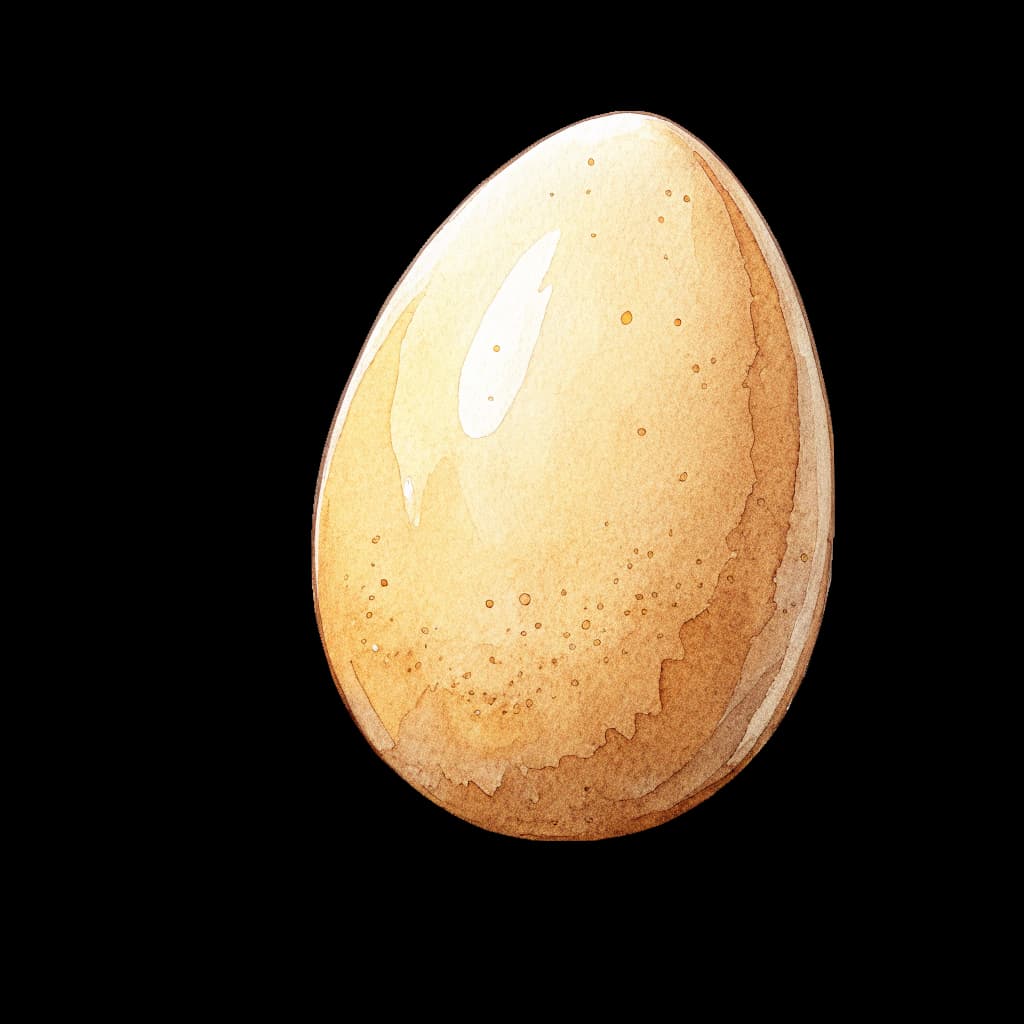
&w=3840&q=75)
&w=3840&q=75)

- 4 large eggs
- 3/4 cup granulated sugar
- 1 cup cake flour – sifted
- 1/4 tsp kosher salt
- 2 tbsp unsalted butter – melted and cooled
- 1 tsp vanilla extract

Instructions
1. Preheat the oven to 350°F. Line the bottom of an 8-inch round cake pan (2 inches deep) with parchment; do not grease the sides.
2. Melt the butter and set aside to cool to room temperature. Sift the cake flour with the salt 2–3 times to aerate; set aside.
3. In a heatproof bowl, whisk the eggs with the sugar. Set the bowl over a saucepan of barely simmering water (the bowl should not touch the water) and whisk constantly until the mixture is just warm to the touch, 100–110°F, and the sugar is mostly dissolved, 2–3 minutes.
4. Transfer the warm egg mixture to a stand mixer (or use a hand mixer) and whip on high speed until tripled in volume and very pale; a thick ribbon should fall from the whisk and briefly sit on the surface, 6–8 minutes. Mix in the vanilla during the last 30 seconds.
5. Using a wide spatula, fold the sifted flour into the foam in three additions, rotating the bowl and scraping to the bottom with each fold until no streaks remain.
6. Stir about 1 cup of the batter into the melted, cooled butter until smooth, then gently fold this enriched portion back into the main batter just until combined.
7. Immediately pour the batter into the prepared pan and smooth the top. Bake until the cake is golden, the center springs back when lightly pressed, and a toothpick comes out clean, 22–28 minutes.
8. Cool in the pan on a rack for 10 minutes. Run a thin knife around the edge, invert onto the rack, peel off the parchment, then turn right-side up. Cool completely until the crumb is set, 45–60 minutes, before slicing or filling.
9. Serve plain, dusted with sugar, or use as a base for layered cakes. Wrap leftovers tightly and store at room temperature for up to 2 days.
Sponge cake is a light, tender foam cake with a delicate, fine crumb and a subtle sweetness that makes it versatile for fillings, frostings, or simple serving with fruit. Its structure comes from whipped eggs that trap air, creating lift without heavy reliance on fats or chemical leaveners. The result is an airy, springy texture that absorbs syrups and creams beautifully while remaining refined and not overly rich.
Historically, sponge cakes trace back to Renaissance Europe, with early versions recorded in Italy and refined in French pâtisserie as génoise. The technique spread widely, influencing British baking traditions and later countless global styles. Across cultures, the core identity remains the whipped-egg foam, but local interpretations—from fatless biscuits to slightly enriched sponges—have made it a foundational cake for desserts and celebration pastries.