
Ravioli

Ingredients
&w=3840&q=75)

&w=3840&q=75)
- 2 cups 00 flour
- 3 large eggs
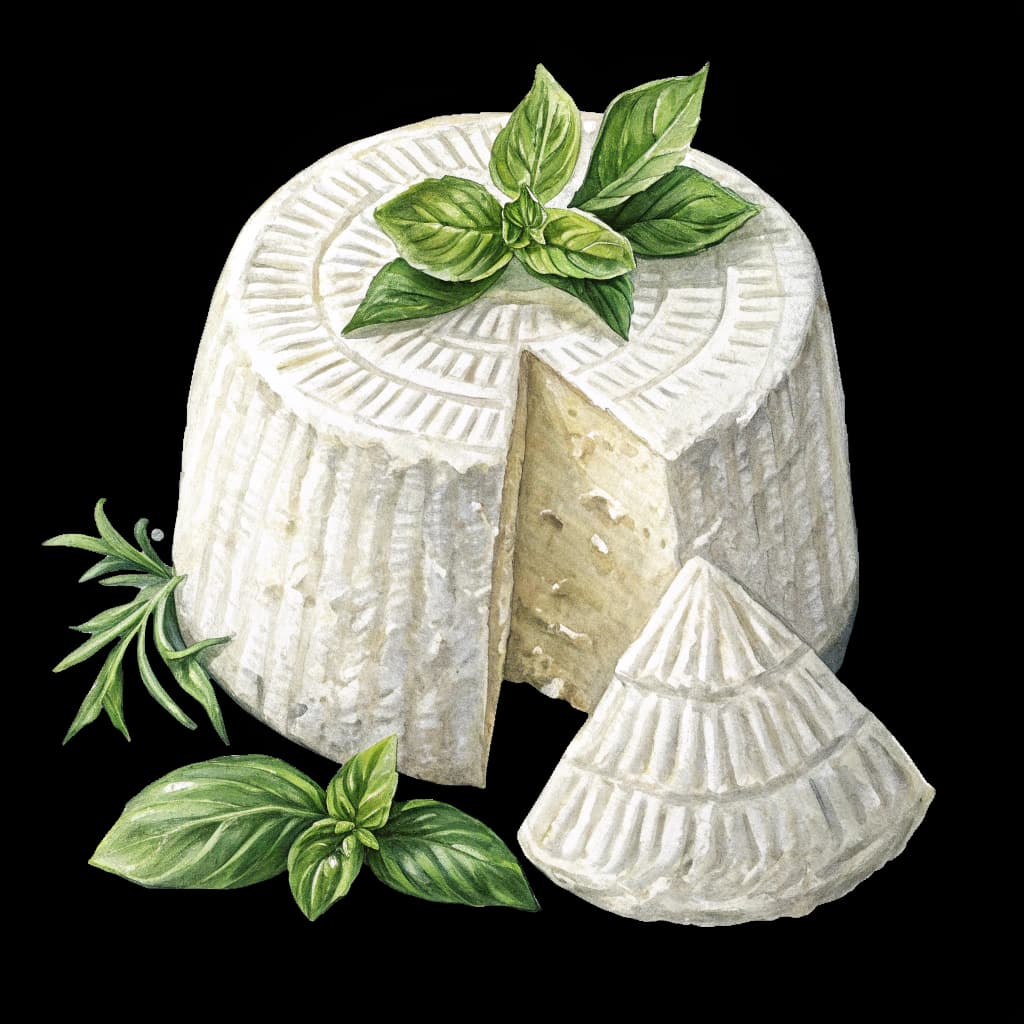
- 1 cups ricotta cheese – drained
- 10 ounces fresh spinach – stems removed
- 1/2 cups Parmigiano-Reggiano cheese – finely grated
- 1 large egg yolk
- 1/2 tsp fine sea salt
- 1/4 tsp black pepper – freshly ground
- 00 flour – for dusting
- semolina flour – for dusting
- 6 tbsp unsalted butter
- 12 leaves sage leaves – fresh
- 2 tbsp kosher salt
- 1/4 tsp ground nutmeg
- Parmigiano-Reggiano cheese – finely grated (for serving)

Instructions
1. Make the dough: Mound the 00 flour on a clean work surface and make a wide well. Crack the eggs into the well and beat with a fork, gradually drawing in flour until a shaggy dough forms. Knead until smooth and elastic, 8–10 minutes, dusting lightly with 00 flour (for dusting) only if sticky. Wrap and rest at room temperature for 30 minutes.
2. Prep the filling components while the dough rests: Place the ricotta cheese in a fine-mesh sieve over a bowl to drain. Bring a pot of water to a boil, add the fresh spinach, and blanch until wilted, 30–60 seconds. Drain, rinse under cold water, squeeze very dry, and chop finely.
3. Mix the filling: In a bowl, combine the chopped spinach, drained ricotta, Parmigiano-Reggiano cheese (0.5 cup), egg yolk, fine sea salt, black pepper, and ground nutmeg until smooth. Taste and adjust seasoning.
4. Roll the dough: Divide the dough in half, keeping one half wrapped. Using a pasta machine, roll the first half from thick to thin, stopping at 1–1.5 mm thickness (about setting 6–7), dusting the dough and rollers sparingly with 00 flour (for dusting) as needed. Lay the sheet on a semolina flour (for dusting)–dusted tray. Repeat with the second half.
5. Fill and shape: On one pasta sheet, place 1–1.5 teaspoon mounds of filling, spaced about 1.5 inches apart. Lightly brush the spaces between mounds with water. Lay the second sheet over, press around each mound to seal and push out air, then cut into individual ravioli with a knife or fluted wheel. Press edges firmly. Transfer to a semolina flour (for dusting)–dusted tray.
6. Make the sauce: In a wide skillet, melt the unsalted butter over medium heat until foamy. Add the sage leaves and cook until fragrant and the butter just begins to turn golden, 2–3 minutes. Remove from heat and keep warm.
7. Cook the ravioli: Bring a large pot of water to a rolling boil and add the kosher salt. Boil the ravioli in batches until they float and the pasta is tender with a slight bite, 2–4 minutes per batch. Use a spider to transfer ravioli directly to the sage butter skillet, along with a splash of cooking water if needed, and toss gently over low heat to coat.
8. Serve: Plate the ravioli and top with more Parmigiano-Reggiano cheese (finely grated, for serving). Serve immediately.
Ravioli are small pillows of tender egg pasta wrapped around a soft filling, here the classic ricotta and spinach. The pasta is delicate yet resilient, yielding to a creamy, savory center scented with nutmeg and black pepper. Finished in a simple butter and sage sauce, the flavors are clean, aromatic, and deeply comforting, with Parmesan adding a salty, nutty lift.
Ravioli trace their roots to medieval Italy, with written mentions appearing as early as the 14th century. The name relates to the concept of a filled or wrapped item, and nearly every Italian region developed its own shapes, sizes, and fillings. While sauces and fillings vary—from meat to pumpkin to herbs—the butter-and-sage finish is especially associated with northern regions, and ricotta-spinach remains one of the most widespread and enduring pairings across the peninsula.