
Raspberry Sorbet

Ingredients
&w=3840&q=75)
&w=3840&q=75)
&w=3840&q=75)
- 1 cups water
- 1 cups granulated sugar
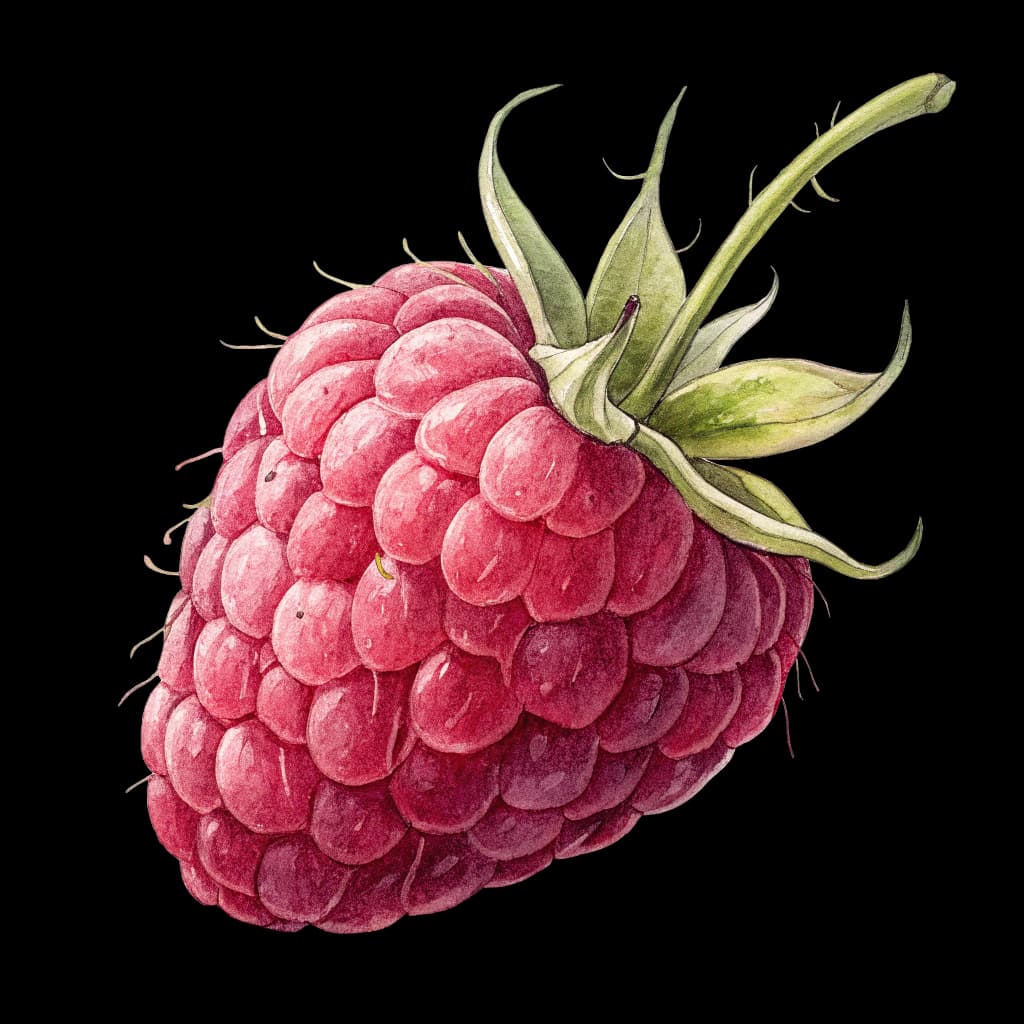
- 4 cups raspberries – rinsed and drained (thawed if frozen)
- 2 tbsp lemon juice – freshly squeezed
- 1/8 tsp kosher salt

Instructions
1. Combine the water and granulated sugar in a small saucepan and bring to a gentle simmer over medium heat, stirring until the sugar dissolves, 2–3 minutes; simmer 1 minute more, then remove from heat and cool until no longer warm, 15–20 minutes.
2. Rinse and drain the raspberries (thaw if using frozen).
3. Add the cooled syrup, raspberries, lemon juice, and kosher salt to a blender. Blend on high until completely smooth, 30–60 seconds.
4. Strain the puree through a fine-mesh sieve into a bowl, pressing to extract as much liquid as possible; discard the seeds.
5. Cover and refrigerate the mixture until thoroughly chilled, 2–3 hours, until it feels very cold to the touch.
6. Churn the chilled base in an ice cream maker until it reaches a soft-serve consistency and increases in volume, 15–25 minutes, following your machine’s instructions.
7. Transfer to a freezer-safe container, press parchment or plastic wrap directly onto the surface, and freeze until firm enough to scoop, 2–3 hours.
8. Before serving, let the sorbet sit at room temperature for 5–10 minutes to soften slightly for clean scoops.
Raspberry sorbet is a bright, ruby-red frozen dessert with an intensely fresh berry flavor, lively acidity, and a clean finish. Made without dairy, it showcases the fruit at its peak, delivering a smooth, finely textured scoop that melts quickly on the tongue. The balance of sweetness and tartness is key, with a small amount of lemon bringing the berries into focus and a hint of salt rounding the flavors.
Sorbet has deep historical roots, evolving from Middle Eastern sherbets and iced fruit drinks that spread into Europe through trade and culinary exchange. In Italy it became sorbetto, and in France the technique refined into the modern sorbet, a churned, seedless fruit ice. By the 17th and 18th centuries, European courts popularized these ices, and today sorbet remains a hallmark of classical French pastry as well as a global standard for fruit-forward desserts.