
Pizza Sauce

Ingredients
&w=3840&q=75)
&w=3840&q=75)
- 28 ounces canned whole peeled tomatoes – drained, hand-crushed
- 1 tsp fine sea salt
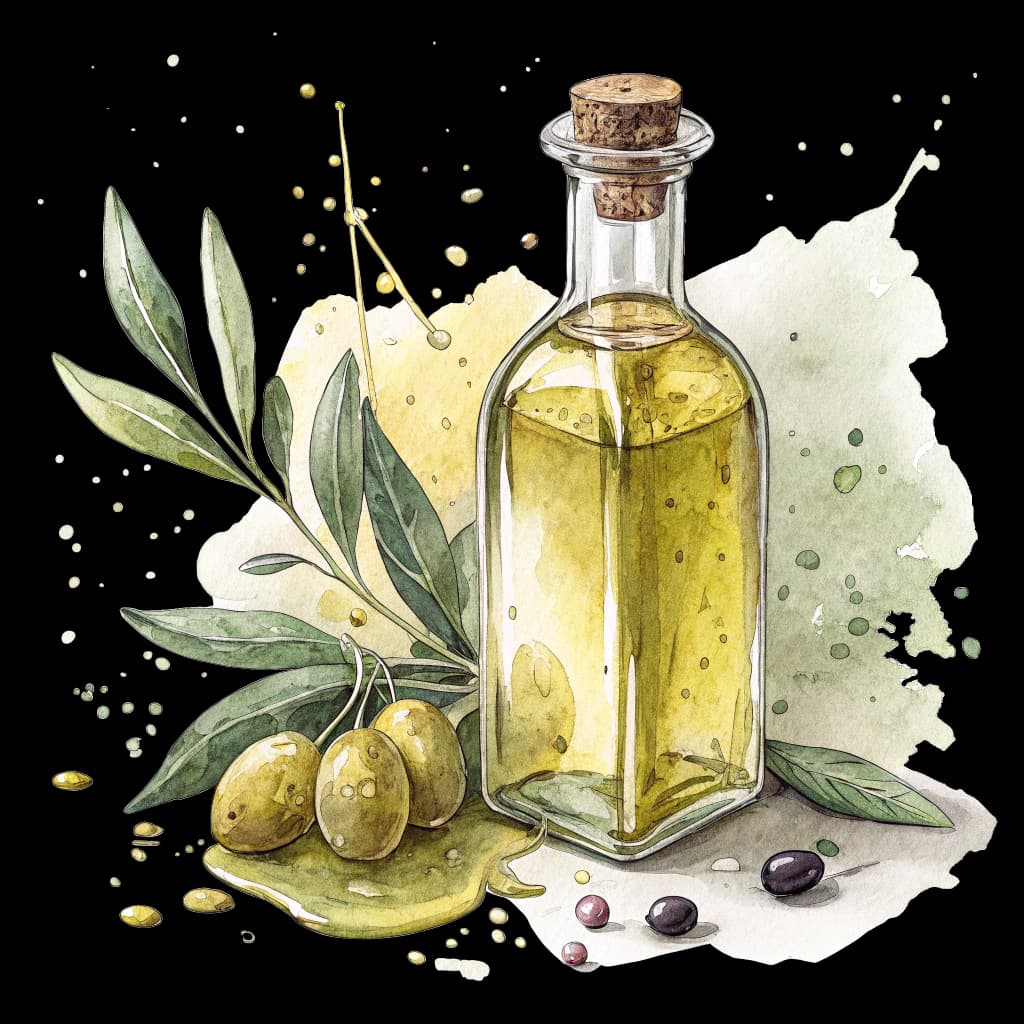
- 1 tbsp extra-virgin olive oil
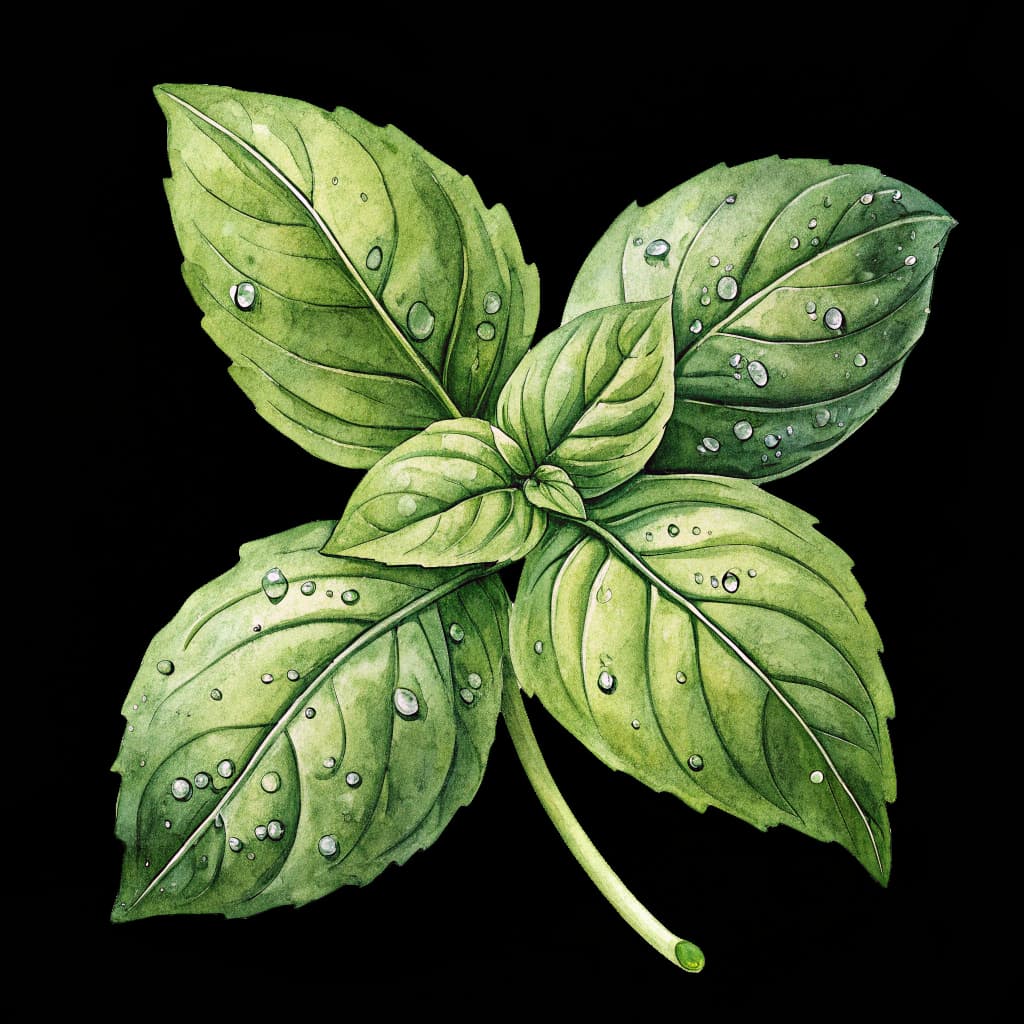
- 4 leaves fresh basil leaves – torn

Instructions
1. Pour the canned whole peeled tomatoes into a fine-mesh strainer set over a bowl and let drain for 5 minutes; reserve the strained juice.
2. Transfer the drained contents to a bowl and crush firmly by hand until mostly smooth with small pieces, 1–2 minutes, or pass through a food mill for a smoother texture.
3. Stir in the fine sea salt and the extra-virgin olive oil until evenly combined.
4. Fold in the torn fresh basil leaves.
5. Adjust consistency with a little reserved juice at a time until the sauce is thick and spoonable, not watery.
6. Let rest at room temperature for 15–30 minutes so the flavors meld.
7. Use about 1/4 cup per 12-inch pizza, spreading in a thin, even layer; refrigerate leftovers in an airtight container for up to 3 days.
Pizza sauce is a bright, fresh-tasting tomato base designed to complement, not overwhelm, the crust, cheese, and toppings. Its texture should be loose yet spoonable, coating the dough without pooling, and its flavor should be vivid with ripe tomato, a gentle salinity, and subtle herbal perfume. When applied thinly, it helps the crust bake up light and balanced, letting the natural sweetness and acidity of the tomatoes shine.
Historically, the archetype comes from Naples, where the sauce for pizza is made from ripe peeled tomatoes seasoned simply and used raw, cooking only on the pie in a very hot oven. The Associazione Verace Pizza Napoletana codifies this minimalist approach, favoring San Marzano tomatoes and sparing seasoning. As pizza spread, some regions—especially in the United States—developed cooked, herb-forward sauces, but the Neapolitan-style raw tomato sauce remains the benchmark for purity and clarity of flavor.