
Pickled Red Onions

Ingredients
&w=3840&q=75)

&w=3840&q=75)
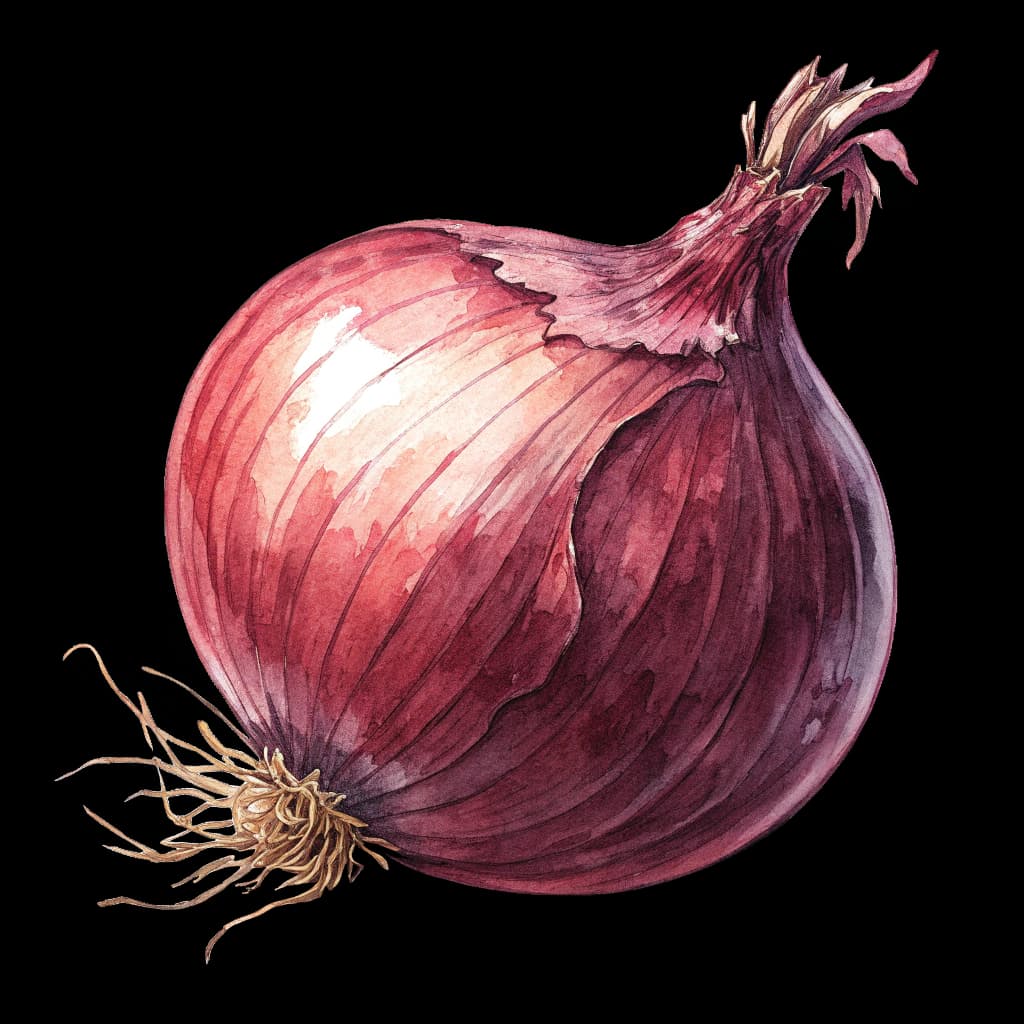
- 16 ounces red onion – thinly sliced (~3.5 medium red onions)
- 1 cups water
- 1 cups white vinegar
- 2 tablespoons granulated sugar
- 2 teaspoons kosher salt

Instructions
1. Clean a 1-quart heatproof jar with hot, soapy water and rinse well.
2. Peel the red onion and cut into thin slices (about 1/8 inch). Pack the sliced onion into the jar, leaving 1/2 inch of headspace.
3. Combine the water, white vinegar, granulated sugar, and kosher salt in a small saucepan.
4. Bring to a simmer over medium heat, stirring until the sugar and salt dissolve, 2–3 minutes.
5. Pour the hot brine over the onions, pressing gently so the onions are fully submerged. If needed, stir to release air bubbles and top up with brine.
6. Let cool at room temperature until just warm and the onions turn bright pink and slightly tender, 20–30 minutes.
7. Seal the jar and refrigerate until crisp-tender and well flavored, at least 1 hour (best after 24 hours). Keep refrigerated and use within 2–3 weeks.
Pickled red onions are crisp, tangy, and faintly sweet, bringing a bright pop of flavor and color to sandwiches, tacos, salads, grain bowls, and grilled meats. Their texture stays pleasantly crunchy while the brine mellows the onion’s sharpness, creating a balanced bite that lifts rich or spicy foods. The vivid magenta hue, a natural result of pigments reacting with the acidic brine, makes them as visually appealing as they are versatile.
Pickling is one of the world’s oldest preservation techniques, practiced across regions from the Middle East and South Asia to Europe and the Americas. Red onions, in particular, are widely pickled as quick “refrigerator” pickles and as traditional table condiments in many cuisines. Today’s common method—pouring a hot vinegar brine over thinly sliced onions—evolved as a convenient, small-batch approach that prioritizes freshness and immediate use over long-term storage.