
Panforte

Ingredients
&w=3840&q=75)
&w=3840&q=75)
&w=3840&q=75)
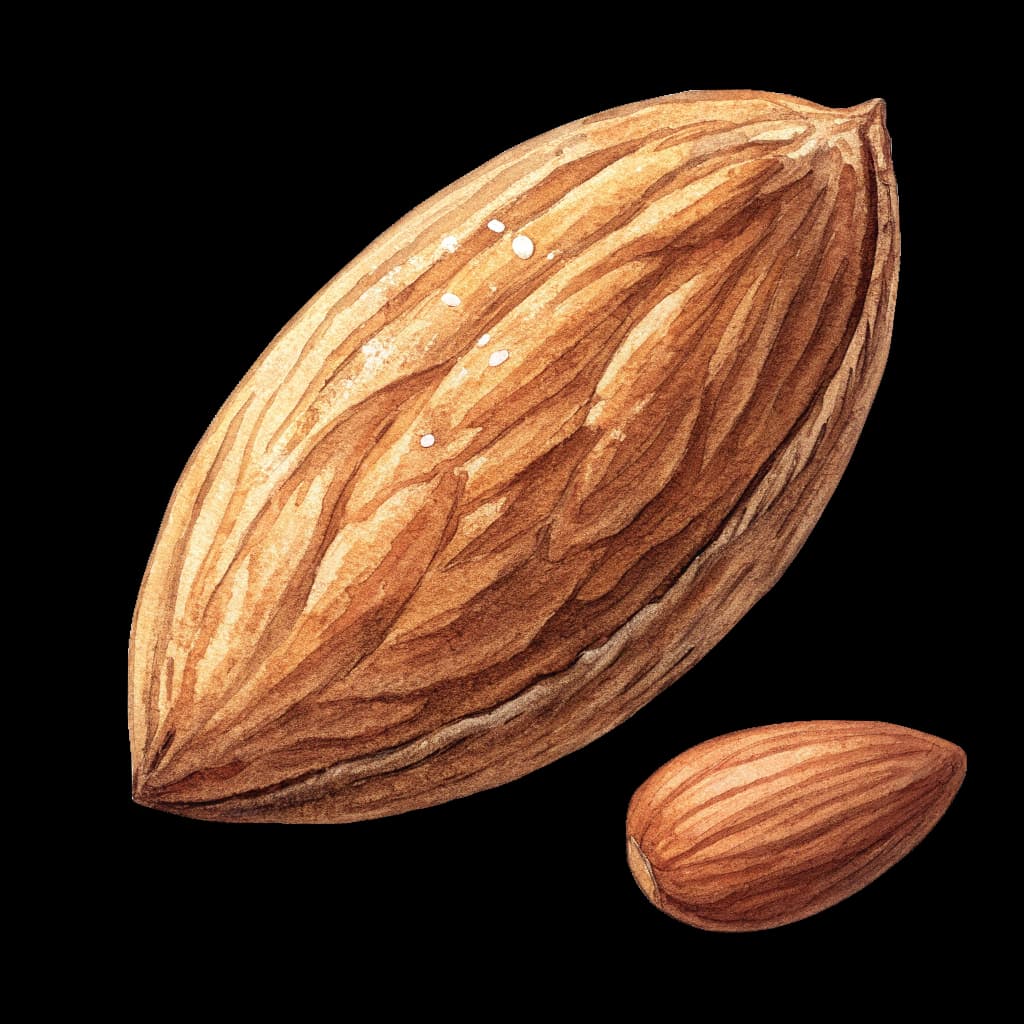
- 8 ounces blanched almonds (~189 n/a almonds)
- 4 ounces hazelnuts
- 1 sheet edible wafer paper (rice paper)
- 8 ounces candied orange peel
- 4 ounces candied citron peel
- 1/2 cup all-purpose flour
- 1 1/2 tsp ground cinnamon
- 1 tsp ground coriander
- 1/4 tsp ground nutmeg
- 1/4 tsp ground cloves
- 3/4 cup granulated sugar
- 3/4 cup honey
- 2 tbsp water
- powdered sugar – for serving, dusting

Instructions
1. Heat the oven to 325°F (165°C). Spread the almonds and hazelnuts on a baking sheet and toast until fragrant and lightly colored, 8–10 minutes. Cool, then coarsely chop.
2. Line a 9-inch (23 cm) springform pan: place the wafer paper on the base (trim to fit) and line the sides with a strip of parchment.
3. In a large bowl, combine the chopped nuts, candied orange peel, candied citron peel, flour, cinnamon, coriander, nutmeg, and cloves.
4. In a small saucepan, combine the granulated sugar, honey, and water. Bring to a simmer over medium heat, stirring until the sugar dissolves. Cook without stirring until the syrup reaches 240°F (115°C), 3–5 minutes.
5. Immediately pour the hot syrup over the nut-and-fruit mixture and stir quickly with a sturdy spoon until everything is evenly coated and very thick.
6. Scrape the mixture into the prepared pan. With damp hands or a damp spatula, press firmly into an even layer and smooth the top.
7. Bake until the edges are set and the center is just slightly springy but not wet, 30–35 minutes. The top should look dry and matte.
8. Cool completely in the pan on a rack, about 2 hours. Run a thin knife around the edge and remove the ring.
9. Dust the top generously with powdered sugar. Wrap tightly and let rest at cool room temperature 12–24 hours before slicing.
10. To serve, slice into thin wedges with a long, sharp knife; if sticky, warm the blade under hot water and wipe dry between cuts.
Panforte is a dense, honeyed confection from Siena that eats like a cross between fruitcake and nougat, with a chewy bite and a glossy, candy-like interior. Almonds and hazelnuts provide crunch, while candied citrus peel brings bright, bittersweet notes against warm spices. A thin wafer base keeps it from sticking and a snowy finish of powdered sugar balances its richness.
Originating in medieval Tuscany, panforte grew from apothecaries and monasteries that traded in spices and preserved fruits. Over centuries it became a festive specialty of Siena, with protected status and defined styles. The lighter Panforte Margherita was created in 1879 for Queen Margherita, while darker, peppered versions (panpepato) reflect even older, bolder spice traditions.