
Nasi Lemak

Ingredients
&w=3840&q=75)
&w=3840&q=75)
&w=3840&q=75)
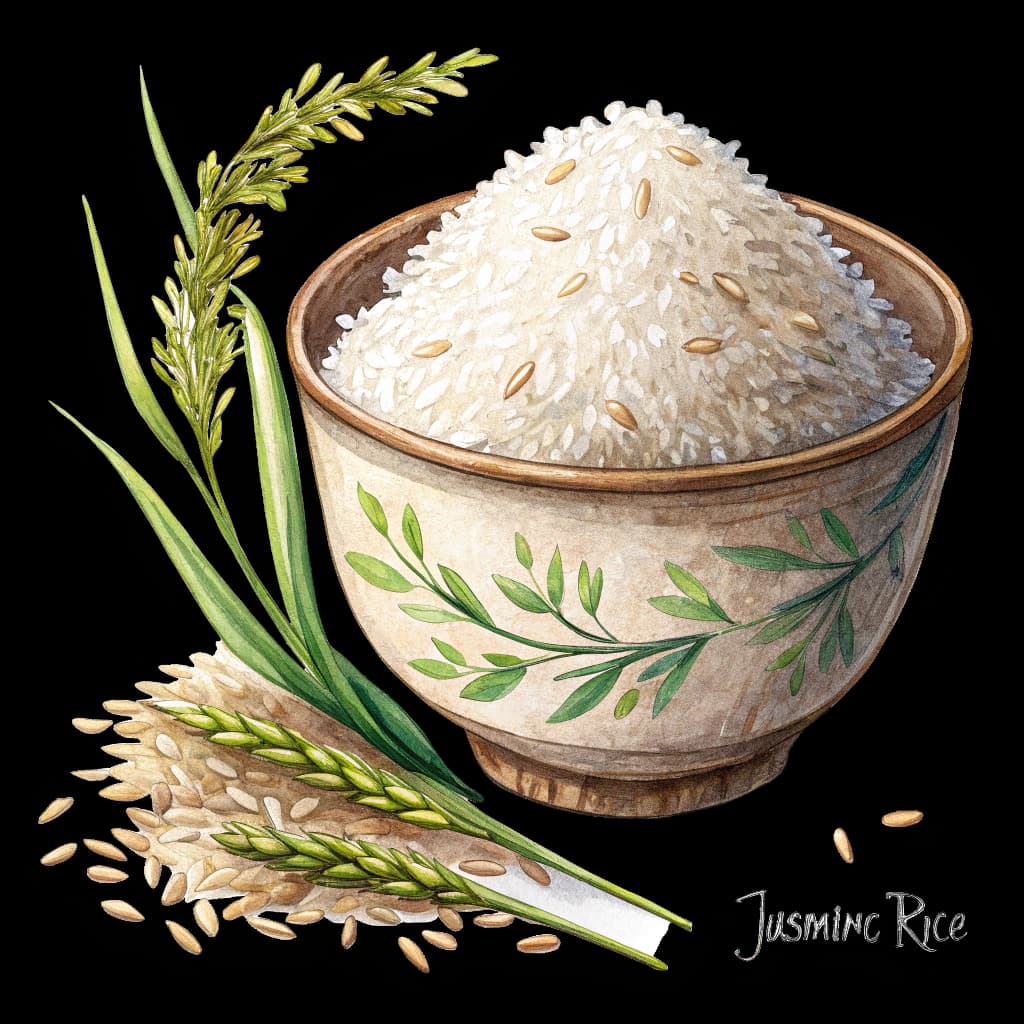
- 2 cups jasmine rice – rinsed until water runs clear, drained
- 1 1/4 cups coconut milk
- 1 1/2 cups water
- 2 leaves pandan – knotted
- 1/2 ounces ginger – sliced
- 1 stalk lemongrass – bruised
- 1 teaspoon salt
- 1 1/2 ounces dried red chilies – stems and seeds removed
- 6 ounces shallot – roughly chopped (~5 medium shallots)
- 4 cloves garlic – roughly chopped
- 1 teaspoon shrimp paste (belacan) – toasted
- 3/4 cups vegetable oil – divided
- 1 tablespoon tamarind paste
- 1/2 cups hot water
- 2 tablespoons palm sugar – grated
- 4 large egg
- 1/2 cups raw peanuts
- 1 cups dried anchovies (ikan bilis) – rinsed and patted dry
- 1 medium cucumber – thinly sliced

Instructions
1. Combine the jasmine rice, coconut milk, water, pandan leaves, ginger, lemongrass, and salt in a rice cooker or medium pot; cook until the grains are tender and the liquid is absorbed (rice cooker default; or on the stovetop bring to a boil, then cover and simmer over low heat 12–15 minutes). Remove from heat and rest, covered, 10 minutes, then fluff and discard the aromatics.
2. Soak the dried red chilies in boiling water until pliable, 10–15 minutes; drain well. Blend the soaked chilies with the shallots, garlic, and shrimp paste (belacan) to a smooth paste, adding a splash of the soaking liquid only if needed to get the blades moving.
3. Heat the vegetable oil in a medium skillet over medium-low heat. Add the chili paste and cook, stirring often, until thick, brick red, and the oil separates from the paste (pecah minyak), 15–20 minutes.
4. Stir in the tamarind paste and hot water, then add the palm sugar. Simmer until glossy and jammy, 5–8 minutes; adjust sweetness and tang to taste and keep warm over low heat.
5. Place the eggs in a saucepan, cover by 1 inch of cold water, bring to a boil, then reduce to a gentle simmer for 8–10 minutes. Transfer to ice water to cool, peel, and halve.
6. In a small saucepan, heat the remaining oil over medium heat. Fry the raw peanuts, stirring, until golden and fragrant, 3–4 minutes; lift out to drain.
7. In the same oil, fry the dried anchovies, stirring, until crisp and lightly golden, 3–5 minutes; drain on paper towels.
8. To serve, mound the coconut rice on plates and spoon over a generous portion of sambal. Add cucumber slices, halved eggs, fried peanuts, and crispy anchovies on the side. Serve hot.
Nasi lemak is a fragrant rice dish built on coconut-perfumed grains and a deeply savory, spicy sambal. The plate balances contrasts: creamy rice, fiery-sweet chili paste, crunchy fried anchovies and peanuts, crisp cool cucumber, and the richness of hard-boiled egg. Each component is simple, but together they deliver a complete, satisfying meal that is as aromatic as it is texturally varied.
Originating in the Malay heartlands, nasi lemak began as rice cooked in coconut milk with pandan, eaten by farmers for energy in the morning. It grew into a national staple through kampung kitchens and later urban hawker stalls, spreading to Singapore and parts of Indonesia with local accents. Today it is served from banana-leaf packets to restaurant platters, remaining a beloved emblem of Malaysian culinary identity and everyday comfort.