
Leche De Tigre

Ingredients
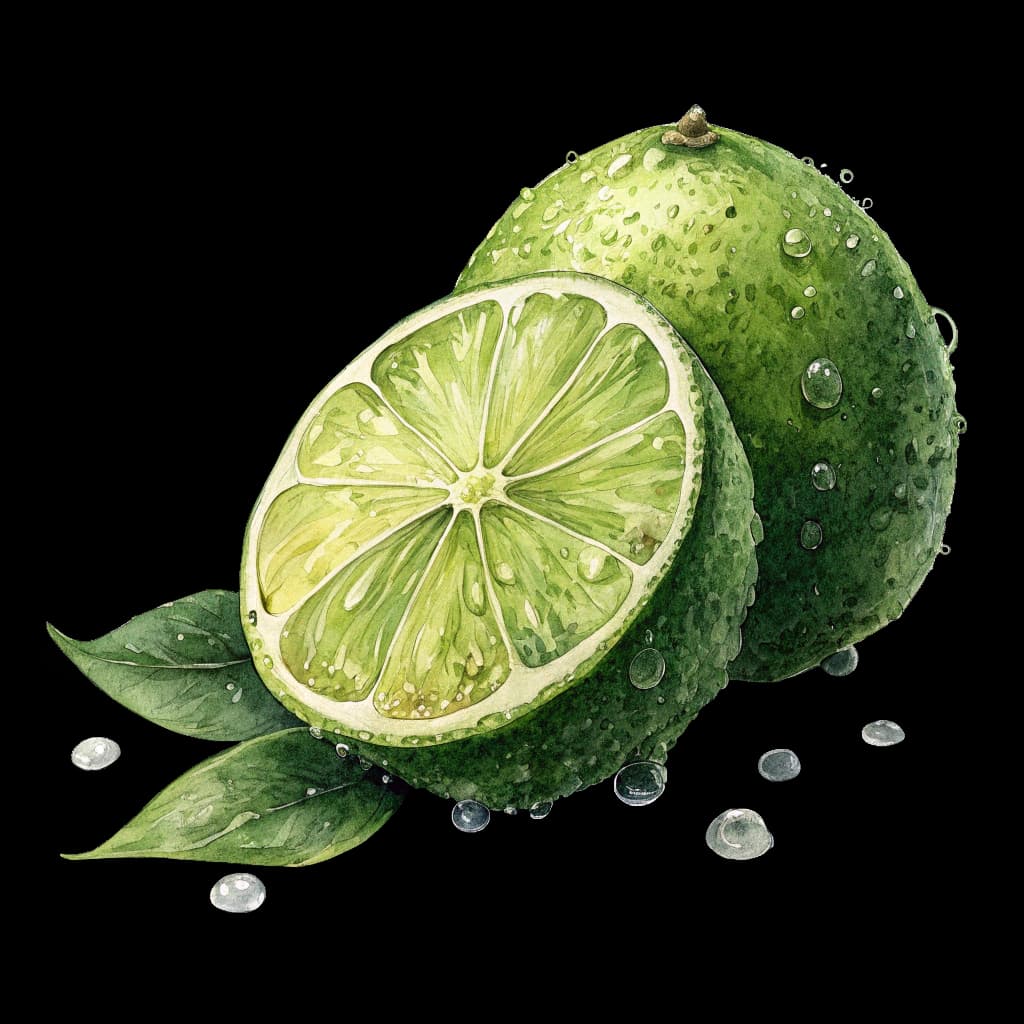

- 1 cups lime juice – freshly squeezed and strained
- 4 ounces white fish fillet – cut into chunks
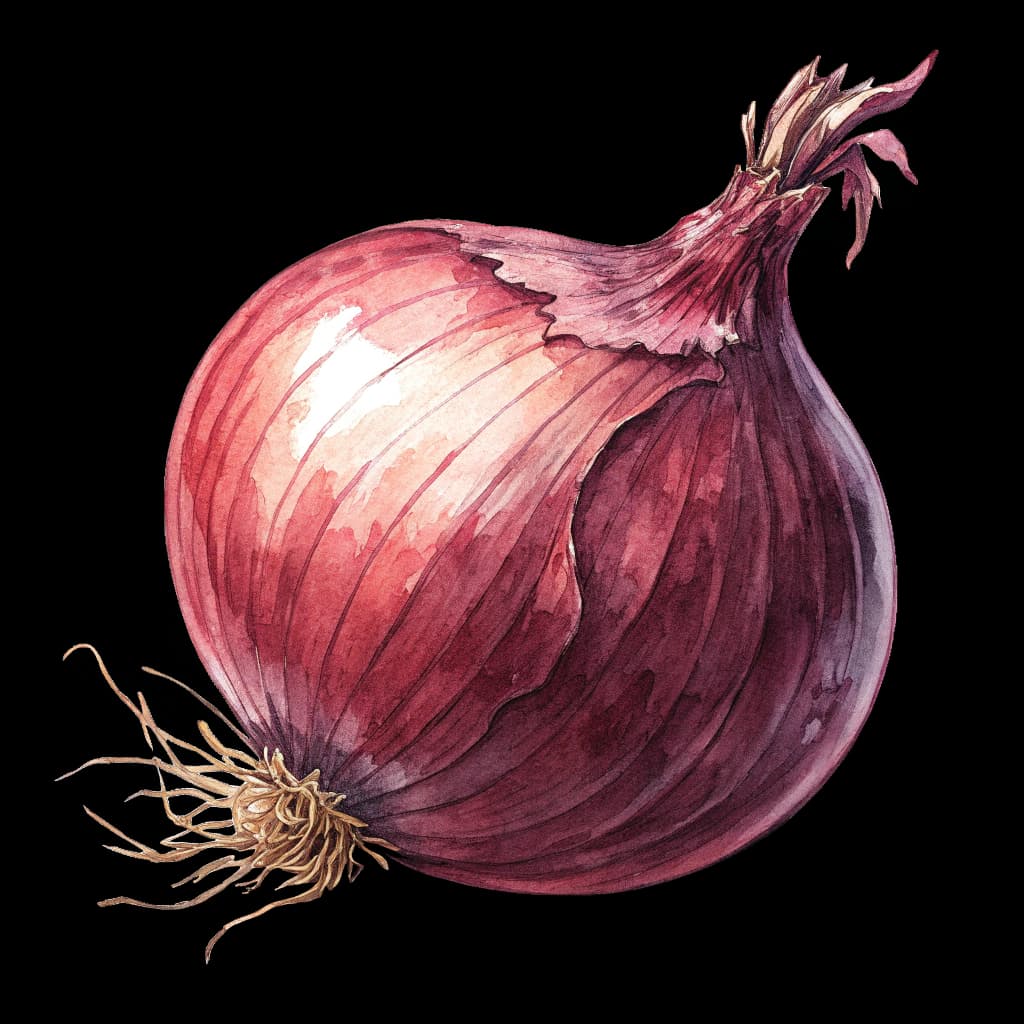
- 1/2 cup red onion – thinly sliced (~0.5 medium red onions)
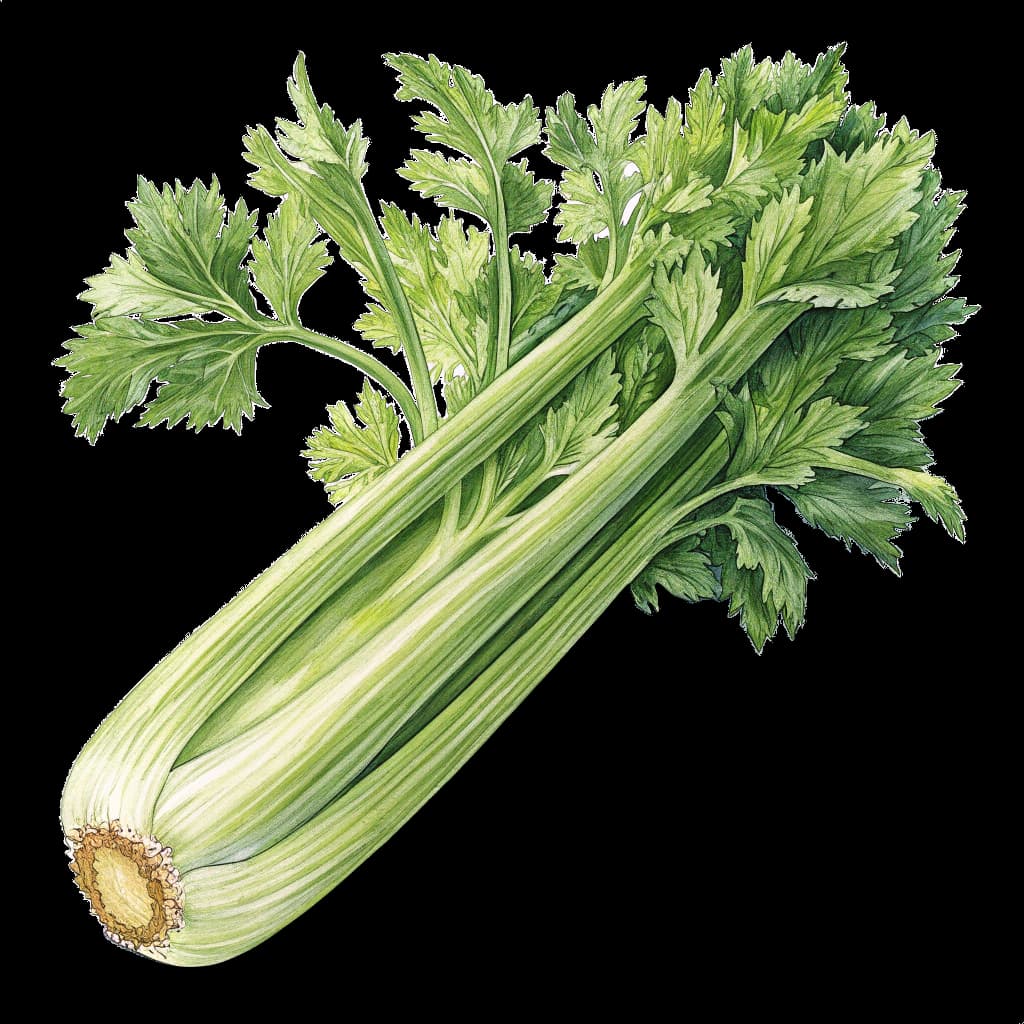
- 1/4 cup celery – chopped
- 1/4 cup cilantro stems – roughly chopped
- 1 pepper ají limo chile – seeded and chopped
- 1 clove garlic – smashed
- 1 teaspoon ginger – grated
- 1 1/2 teaspoons salt
- 1/4 teaspoon white pepper – ground
- 1 cup ice cubes

Instructions
1. Ensure the lime juice is freshly squeezed and strained. Thinly slice the red onion; chop the celery; roughly chop the cilantro stems; seed and chop the ají limo chile; smash the garlic; grate the ginger; and cut the white fish fillet into chunks.
2. In a blender, combine the white fish fillet, red onion, celery, cilantro stems, ají limo chile, garlic, ginger, salt, white pepper, half of the lime juice (0.5 cup), and the ice cubes. Blend on high until the mixture turns milky and very cold, 10–15 seconds.
3. Add the remaining lime juice and blend briefly just to combine, about 5 seconds.
4. Strain the mixture through a fine-mesh sieve into a chilled bowl or measuring jug, pressing on the solids to extract as much liquid as possible. Discard the solids.
5. Taste and adjust salt if needed. Use immediately to marinate fish for ceviche, or pour into small glasses and serve very cold.
Leche de tigre is the bracing, citrusy elixir at the heart of Peruvian ceviche: a milky-looking blend of fresh lime juice, fish, chiles, onion, and herbs that is equal parts tart, savory, and aromatic. Its texture is silky from emulsified fish and ice, while the flavor balances bright acidity with ocean depth and a gentle chile heat. Beyond its role as a curing liquid for ceviche, it’s often sipped in small glasses as a pick‑me‑up or served alongside ceviche to spoon over each bite.
Rooted in Peru’s coastal tradition, leche de tigre emerged from the juices left after marinating freshly caught fish—liquor prized by fishermen and market cooks. Over time, cevicherías refined it into a purpose-made base, blending fish and aromatics for consistency and a cleaner, colder profile. Today it’s a culinary icon across Peru and a symbol of Limeño ceviche culture, with regional nuances and modern cevichería techniques shaping its nuances while preserving its core identity.