
Lebkuchen

Ingredients
&w=3840&q=75)
&w=3840&q=75)
&w=3840&q=75)
- 2 1/2 ounces candied orange peel – finely chopped
- 2 1/2 ounces candied citron peel – finely chopped
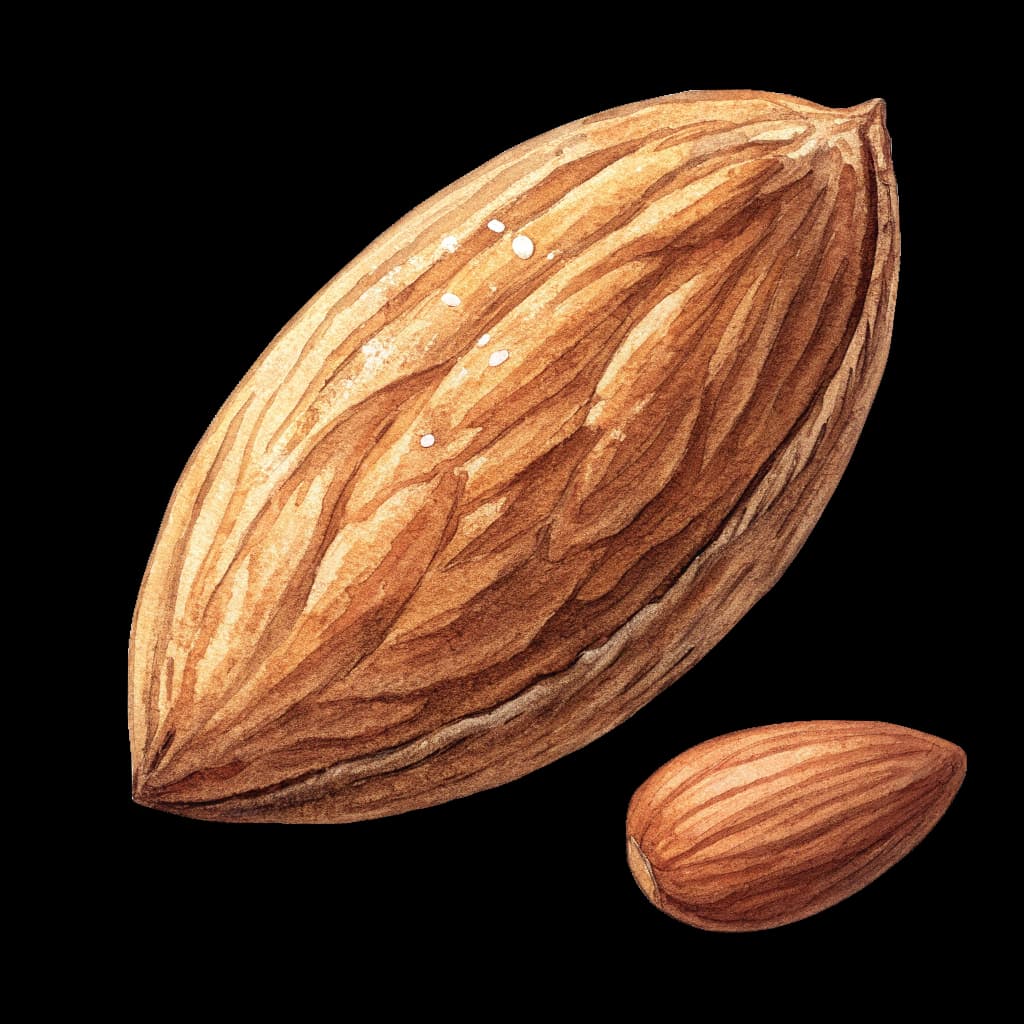
- 8 ounces blanched almonds – finely ground (~189 n/a almonds)
- 6 ounces hazelnuts – finely ground
- 7 ounces granulated sugar
- 3 large eggs
- 2 tsp ground cinnamon
- 1 tsp ground ginger
- 1/2 tsp ground cloves
- 1/2 tsp ground cardamom
- 1/2 tsp ground allspice
- 1/4 tsp ground nutmeg
- 1/4 tsp ground coriander
- 1/4 tsp fine salt
- 1 medium lemon – zest finely grated
- 1/2 tsp potassium carbonate (pottasche) – dissolved in 1 tbsp water
- 1/2 tsp ammonium carbonate (hartshorn) – dissolved in 1 tbsp water
- 24 pieces oblaten wafer papers (70 mm)
- 1 1/2 cups powdered sugar
- 2 tbsp lemon juice
- 3 tbsp water – hot
- 6 ounces dark chocolate – finely chopped
- 1 tbsp unsalted butter

Instructions
1. Finely chop the candied orange peel and candied citron peel. Finely grind the blanched almonds and hazelnuts if not pre-ground.
2. Dissolve the potassium carbonate (pottasche) in 1 tablespoon water and the ammonium carbonate (hartshorn) in 1 tablespoon water; set both solutions aside.
3. In a large bowl, beat the eggs and granulated sugar with a whisk or mixer until thickened and pale, 3–5 minutes.
4. Stir in the ground cinnamon, ground ginger, ground cloves, ground cardamom, ground allspice, ground nutmeg, ground coriander, fine salt, and the lemon zest.
5. Fold in the chopped candied orange peel and candied citron peel, then the ground almonds and ground hazelnuts until a thick batter forms.
6. Mix in the dissolved potassium carbonate and dissolved ammonium carbonate until evenly combined. Cover and refrigerate 12–24 hours to rest and develop texture.
7. When ready to bake, preheat the oven to 325°F (160°C). Line baking sheets with parchment. Arrange the oblaten wafer papers on the sheets, spaced slightly apart.
8. Scoop about 2 tablespoons of batter onto each oblate and smooth into a gentle dome with damp fingers, leaving a small margin at the edge. Let stand 10 minutes to settle.
9. Bake until set with lightly golden edges and a soft, springy center, 12–16 minutes. If you catch a whiff of ammonia, it will dissipate as the cookies bake and cool. Cool on the sheets 10 minutes, then transfer to a rack to cool until just warm.
10. For the sugar glaze, whisk the powdered sugar with the lemon juice and hot water to a thin, brushable glaze. Brush half of the warm Lebkuchen with the glaze and let set until matte, 15–25 minutes.
11. For the chocolate glaze, melt the dark chocolate with the unsalted butter in a heatproof bowl set over barely simmering water, stirring until smooth. Brush or dip the remaining Lebkuchen in the chocolate and let set at cool room temperature until firm, 30–45 minutes.
12. Store layered between parchment in an airtight tin at cool room temperature; they improve in flavor after a day and keep well for 2–3 weeks.
Lebkuchen are Germany’s iconic spiced gingerbread cookies, tender and aromatic with a chewy, almost cake-like crumb. The nut-rich dough is perfumed with cinnamon, cloves, cardamom, ginger, and citrus, then baked on thin oblaten wafers that keep the bottoms delicate. A finishing glaze—either a translucent lemon-sugar sheen or a dark chocolate cloak—adds a glossy sweetness that balances the warm spices and candied peel.
Originating as a medieval monastery honey cake, Lebkuchen evolved along the spice routes as pepper, cinnamon, and exotic aromatics reached Central Europe. Nuremberg became especially renowned for its Lebkuchen guilds, and today Nürnberger Lebkuchen and Elisenlebkuchen are protected regional specialties. The defining features—oblaten wafers, a high proportion of nuts, and restrained flour or none at all—have endured, making Lebkuchen a beloved Advent and Christmas staple across German-speaking regions.