
Lasagna

Ingredients

&w=3840&q=75)
&w=3840&q=75)
- 1 tbsp extra-virgin olive oil
- 2 tbsp unsalted butter
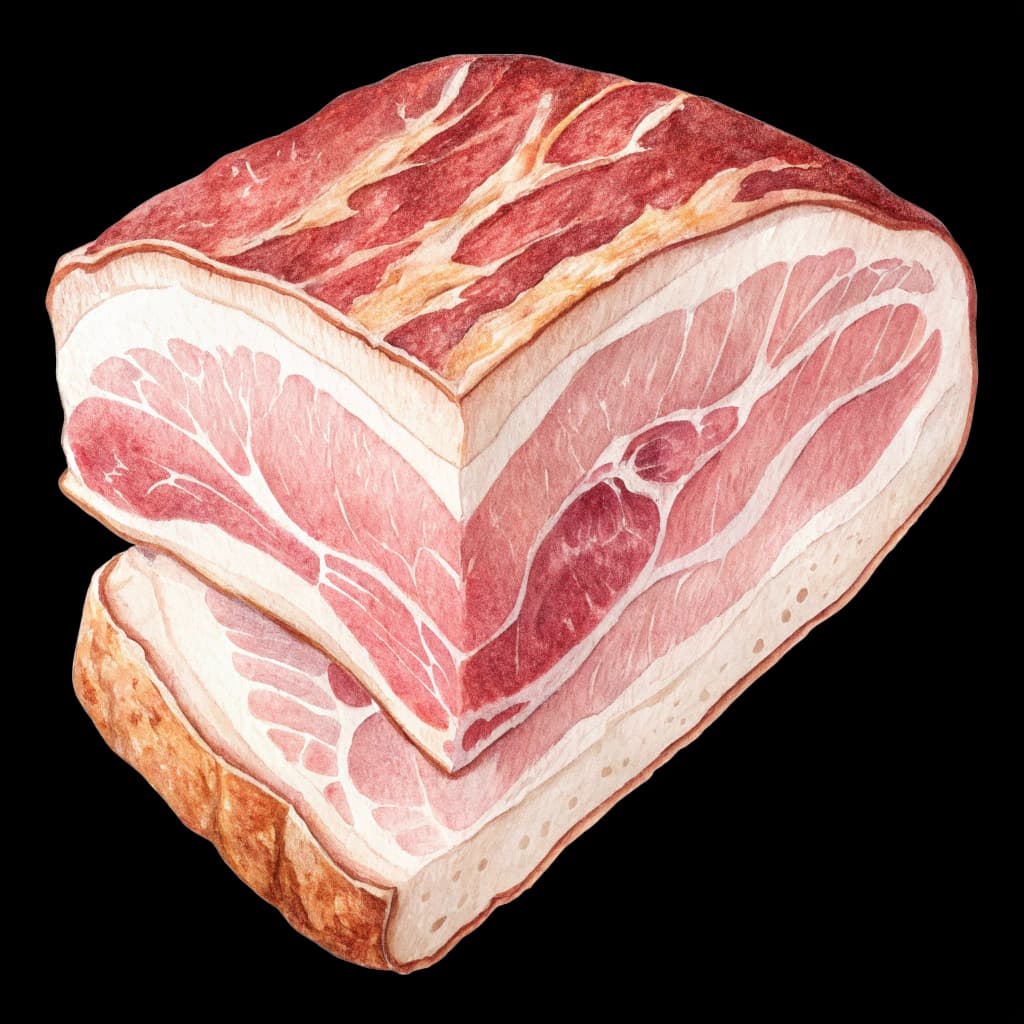
- 4 ounces pancetta – finely diced
- 3/4 cup onion – finely chopped (~1 medium onion)
- 1/2 cup carrot – finely chopped (~1 medium carrot)
- 1/2 cup celery – finely chopped
- 1 pound ground beef
- 1 1/4 tsp kosher salt
- 1/2 tsp black pepper
- 1/2 cup dry white wine
- 1 cup whole milk
- 2 tbsp tomato paste
- 1 1/2 cups crushed tomatoes
- 1 cup beef broth
- 4 tbsp unsalted butter
- 4 tbsp all-purpose flour
- 4 cups whole milk
- 3/4 tsp kosher salt
- 1/4 tsp ground nutmeg
- 2 cups all-purpose flour
- 3 large egg
- 1/2 tsp kosher salt
- 4 quarts water
- 1 tbsp kosher salt
- 1 tbsp unsalted butter – softened (for greasing)
- 1 1/2 cups Parmigiano-Reggiano cheese – finely grated

Instructions
1. Make the ragù: Heat the olive oil and 2 tbsp unsalted butter in a wide pot over medium heat. Add the pancetta and cook until it renders some fat and begins to brown, 3–4 minutes. Stir in the onion, carrot, and celery and cook gently until soft and sweet but not browned, 8–10 minutes.
2. Add the ground beef, breaking it up with a spoon. Season with 1.25 tsp kosher salt and the black pepper. Cook, stirring occasionally, until the meat is no longer pink and lightly browned, 8–10 minutes.
3. Pour in the white wine and simmer until almost completely reduced, 2–3 minutes. Stir in 1 cup whole milk and cook, stirring, until it is mostly absorbed, about 8 minutes. Add the tomato paste and crushed tomatoes; stir to combine. Add 0.5 cup of the beef broth to loosen.
4. Bring the ragù to a very gentle simmer, then reduce the heat to low and cook partially covered for 1.5–2 hours, stirring occasionally and adding the remaining beef broth as needed to keep it saucy. Adjust seasoning to taste; keep warm.
5. Make the béchamel: In a saucepan over medium heat, melt 4 tbsp unsalted butter. Whisk in 4 tbsp all-purpose flour and cook, whisking, until foamy and pale, about 2 minutes. Gradually whisk in 4 cups whole milk. Bring to a gentle simmer, whisking often, until thick enough to coat the back of a spoon, 6–8 minutes. Season with 0.75 tsp kosher salt and the ground nutmeg. Cover and keep warm off the heat.
6. Make the pasta dough: On a work surface, mound 2 cups all-purpose flour and make a wide well in the center. Sprinkle 0.5 tsp kosher salt over the flour. Crack in the 3 large eggs and beat them with a fork, gradually drawing in flour until a shaggy dough forms. Knead until smooth and elastic, 8–10 minutes. Wrap or cover and let rest at room temperature for 30 minutes.
7. Roll the pasta: Divide the dough into 4 pieces. Working with one at a time (keep the rest covered), roll through a pasta machine, narrowing the setting each pass, until about 1/16 inch thick (thin but manageable). Cut sheets just smaller than your baking dish and set them on clean towels.
8. Blanch the sheets: Bring 4 quarts water to a boil in a large pot and add 1 tbsp kosher salt. Boil 2–3 sheets at a time until just pliable, 30–45 seconds. Lift out with a spider and lay flat on clean towels to dry. Repeat with remaining sheets.
9. Heat the oven to 375°F (190°C). Grease a 9×13-inch baking dish with the softened 1 tbsp unsalted butter.
10. Assemble the lasagna: Spread a very thin layer of ragù in the bottom of the dish. Add a single layer of pasta, then spoon over ragù, drizzle on béchamel, and sprinkle Parmigiano-Reggiano (use a portion of the 1.5 cups). Repeat layering—pasta, ragù, béchamel, cheese—until you have 4–5 pasta layers, finishing with a layer of pasta topped with béchamel and a generous sprinkle of the remaining Parmigiano-Reggiano.
11. Bake covered with foil for 25 minutes (tent the foil so it doesn’t touch the top). Uncover and bake until bubbling at the edges and lightly browned on top, 10–15 minutes more.
12. Rest the lasagna 15–20 minutes before slicing so the layers set. Serve warm.
Lasagna, in its Italian heartland, refers to layered sheets of fresh egg pasta baked with a long-simmered meat ragù, silky béchamel, and Parmigiano-Reggiano. The canonical version hails from Emilia-Romagna, particularly Bologna, where cooks prize delicate, thin pasta and a ragù enriched with wine and milk rather than heavy tomato. The result is savory but balanced, with distinct, harmonious layers rather than a single cheese-dense mass.
Beyond Italy, the name has broadened to include many regional and family variations, from ricotta- and mozzarella-laden versions to vegetable-based bakes. While those are celebrated in their own right, the Bolognese-style lasagna remains the benchmark for technique and flavor structure. It showcases careful layering, measured use of tomato, and the interplay of béchamel’s creaminess with Parmigiano’s sharpness.