
Kansas City Dry Rub

Ingredients
&w=3840&q=75)
&w=3840&q=75)

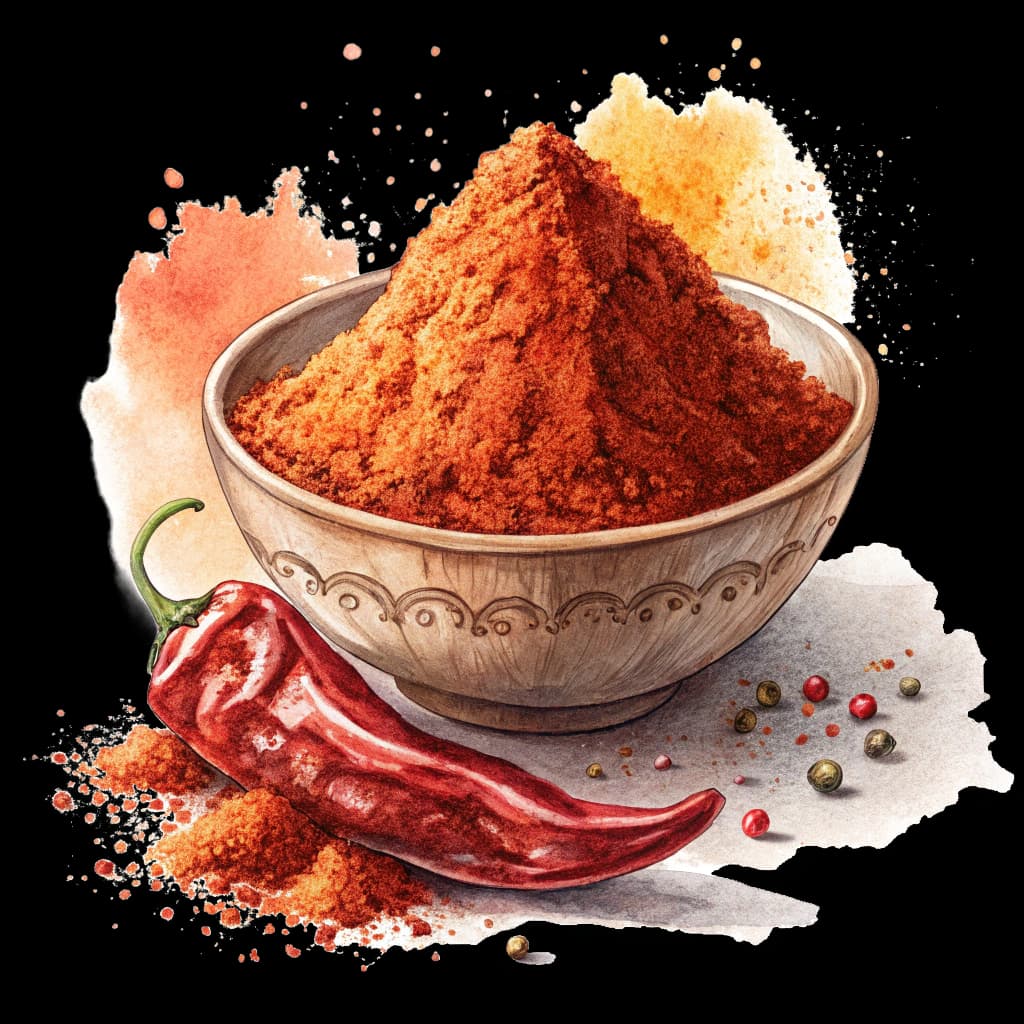
- 1/2 cup brown sugar – packed
- 3 tbsp sweet paprika
- 1 1/2 tbsp kosher salt
- 1 tbsp chili powder
- 1 tbsp black pepper
- 1 tbsp garlic powder
- 1 tbsp onion powder
- 2 tsp mustard powder
- 1 tsp ground cumin
- 1/2 tsp cayenne pepper

Instructions
1. Combine the brown sugar and sweet paprika in a medium bowl, breaking up any lumps with your fingers until evenly sandy.
2. Add the kosher salt, chili powder, black pepper, garlic powder, onion powder, mustard powder, ground cumin, and cayenne pepper. Whisk until the color is uniform and the blend is fully combined.
3. Use immediately: Pat meat dry, then coat evenly with 1 to 1.5 tablespoons rub per pound, pressing to adhere. Let sit 20–30 minutes at room temperature, or cover and refrigerate 2–12 hours before cooking.
4. For grilling or smoking, cook over indirect heat to prevent scorching from the sugar; add a light second dusting near the end if desired.
5. Transfer any leftover rub to an airtight jar, label, and store in a cool, dark place for up to 3 months.
Kansas City Dry Rub is a sweet-leaning, savory-spiced seasoning blend built to crust meats with a balanced bark and gentle heat. Brown sugar lays down caramel notes that play against paprika and chili powder, while garlic, onion, and black pepper round out a full, barbecue-forward flavor. The result is a versatile rub that clings well, colors beautifully, and complements pork ribs, pulled pork, chicken, and even beef without overwhelming natural meatiness.
Rooted in the Kansas City barbecue tradition, this style reflects the city’s embrace of a wide variety of meats and a penchant for sweet-and-smoky profiles. Early pitmasters in the region popularized sugar-rich rubs that pair naturally with the city’s famed tomato-molasses sauces. Over time, mustard powder and a pinch of cayenne became common accents, yielding a rub that caramelizes into a mahogany bark yet stays friendly and crowd-pleasing across backyard and competition pits alike.