
Horchata

Ingredients
&w=3840&q=75)
&w=3840&q=75)
&w=3840&q=75)
- 1 cup long-grain white rice – rinsed
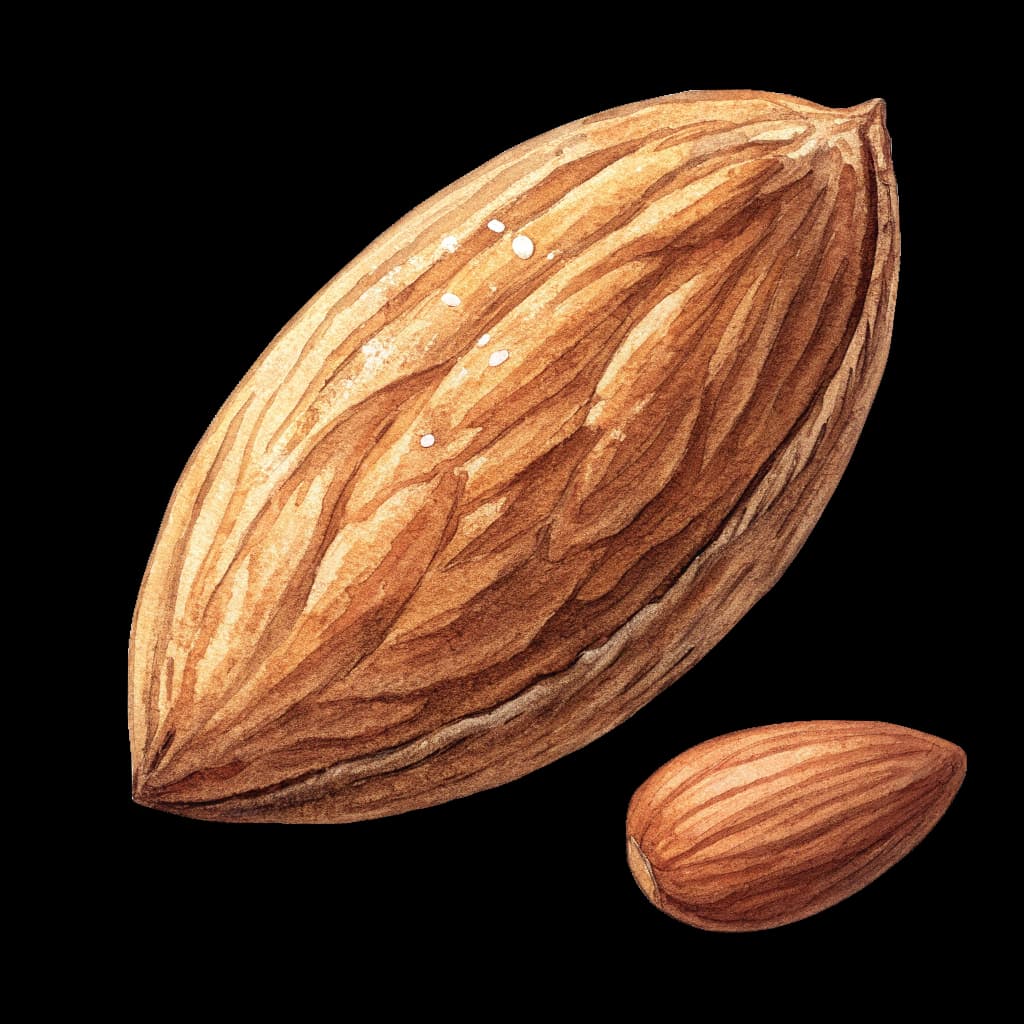
- 1/2 cup blanched almonds
- 2 sticks cinnamon sticks – broken into a few pieces
- 8 cups water – divided
- 3/4 cup granulated sugar
- 1/8 tsp fine sea salt
- ground cinnamon – for serving
- ice cubes – for serving

Instructions
1. Rinse the rice in a fine-mesh strainer under cold water until the runoff is mostly clear, 30–60 seconds; drain well.
2. Break the cinnamon sticks into a few pieces to help release their flavor.
3. Combine the rinsed rice, blanched almonds, and cinnamon stick pieces with 4 cups of the water in a large blender jar or nonreactive bowl. Cover and soak 6–12 hours at cool room temperature, or refrigerate overnight, until the rice looks swollen and soft to the bite.
4. Blend the soaking mixture on high until the grains are very finely ground and the liquid looks milky and aromatic, 1–2 minutes, working in batches if needed.
5. Add the remaining 4 cups cold water and blend briefly, about 10 seconds, to combine.
6. Strain through a fine-mesh sieve lined with a triple layer of damp cheesecloth (or a nut-milk bag) into a pitcher, pressing or squeezing to extract as much liquid as possible; discard the solids.
7. Stir in the granulated sugar and fine sea salt until completely dissolved, 1–2 minutes. Taste and adjust sweetness if desired.
8. Chill until very cold, 1–2 hours, stirring before serving as natural settling may occur.
9. Serve over ice cubes (for serving) and dust each glass lightly with ground cinnamon (for serving).
Horchata is a cool, milky-looking drink with a delicate body, gentle sweetness, and the warm perfume of cinnamon. It’s refreshing rather than heavy, with a silky texture from finely ground grains and nuts that’s balanced by plenty of water and ice. Poured over ice and finished with a whisper of cinnamon, it’s the kind of sip that pairs as easily with a spicy meal as it does with an afternoon snack.
Though the concept traces back to Spain’s horchata de chufa (made from tigernuts), Mexican horchata evolved along its own path using rice—often with almonds—and canela (Ceylon cinnamon). It became a staple of aguas frescas stands across Mexico, where large glass vitroleros display it beside jamaica and tamarindo. Over time, regional and household variations emerged, but the core practice—soak, blend, strain, sweeten—remains a defining ritual.