
Green Smoothie

Ingredients

&w=3840&q=75)
&w=3840&q=75)
- 1 banana – ripe, peeled
- 1 apple – medium, cored and chopped
- 2 cups baby spinach – loosely packed, rinsed
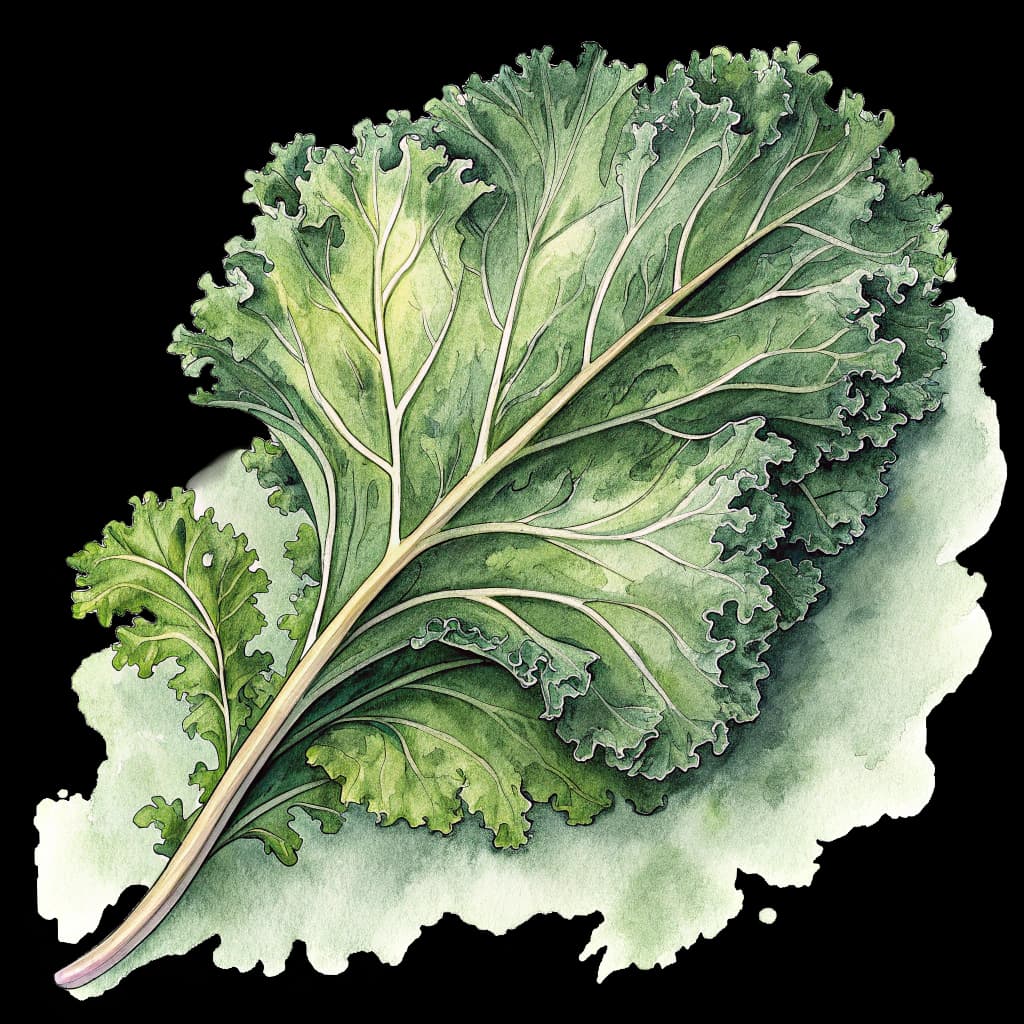
- 1 cup kale leaves – stems removed, roughly chopped
- 1 tbsp lemon juice – freshly squeezed
- 1/2 tsp fresh ginger – finely grated
- 1 1/4 cups water – cold
- 1 cup ice cubes
- 1 tbsp chia seeds
- 1 tbsp honey – or maple syrup, to taste

Instructions
1. Prepare the produce by peeling the banana, coring and chopping the apple, rinsing the baby spinach, and removing the tough stems from the kale before roughly chopping the leaves.
2. Add the cold water to the blender jar first, followed by the banana, chopped apple, baby spinach, kale leaves, lemon juice, grated fresh ginger, chia seeds, and honey.
3. Secure the lid and blend on low speed to start breaking down the greens, about 15–30 seconds, then gradually increase to high speed and blend until completely smooth and vibrant green, 45–60 seconds more.
4. Add the ice cubes to the blender and blend again on high until the ice is fully crushed and the smoothie is thick and frosty, 20–30 seconds, scraping down the sides and re-blending if needed.
5. Taste the smoothie and adjust sweetness with a little more honey if desired, or thin with a splash of additional water until it reaches your preferred consistency.
6. Pour the green smoothie into two glasses and serve immediately while cold and fresh.
Green smoothie is a blended drink built around leafy greens, fruit, and liquid, producing a vibrant, refreshing beverage with a naturally sweet, mildly grassy flavor. The blend of ingredients usually balances the earthy taste of greens with the sweetness and creaminess of fruits like banana, apple, or mango. Its texture ranges from silky to slightly thick and spoonable, depending on how much liquid and ice are used, making it both hydrating and satisfying. Many people enjoy it as a light breakfast, post-workout drink, or nutrient-dense snack.
Historically, the idea of drinking blended fruits and vegetables grew out of mid-20th-century smoothie culture in the United States and Brazil, later intersecting with health food and juicing movements. By the early 2000s, green smoothies became strongly associated with wellness trends, raw food diets, and plant-based lifestyles, popularized by health authors and juice bars. Over time, the drink moved from niche health circles into mainstream cafés and home kitchens, where countless variations developed using local greens, fruits, and superfood additions. Today it is recognized more as a flexible format than a single fixed recipe, but its defining feature remains the prominent use of leafy greens blended smoothly into a drinkable form.