
Fruit Salad

Ingredients
&w=3840&q=75)
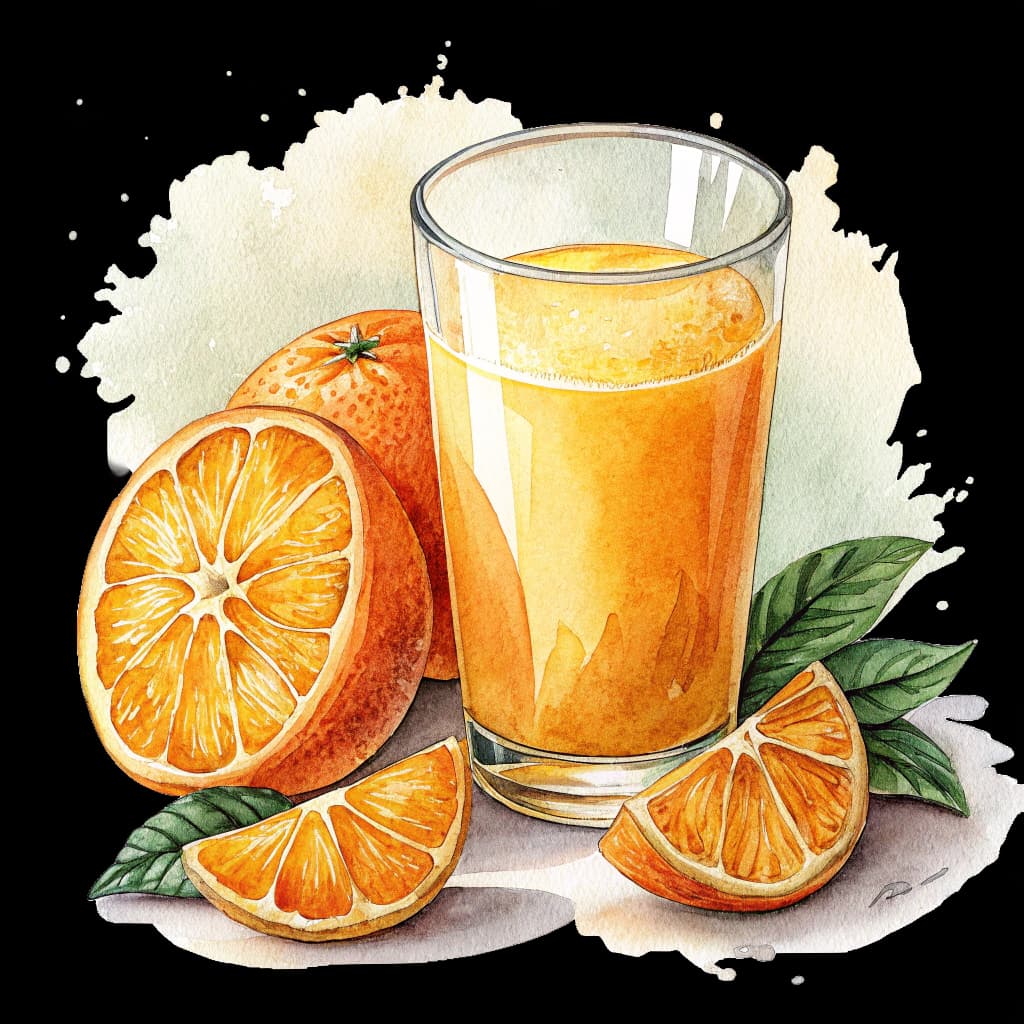
- 1/2 cup orange juice – freshly squeezed
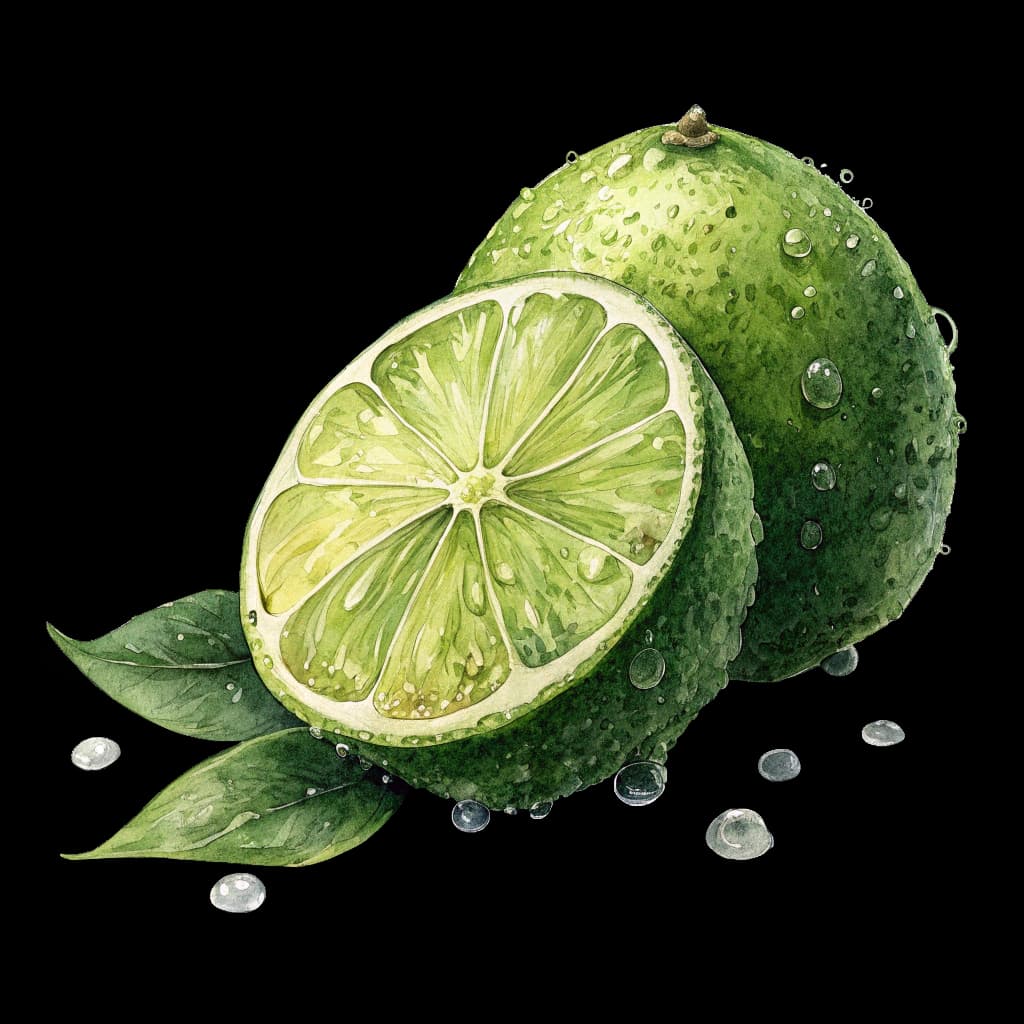
- 2 tbsp lime juice – freshly squeezed
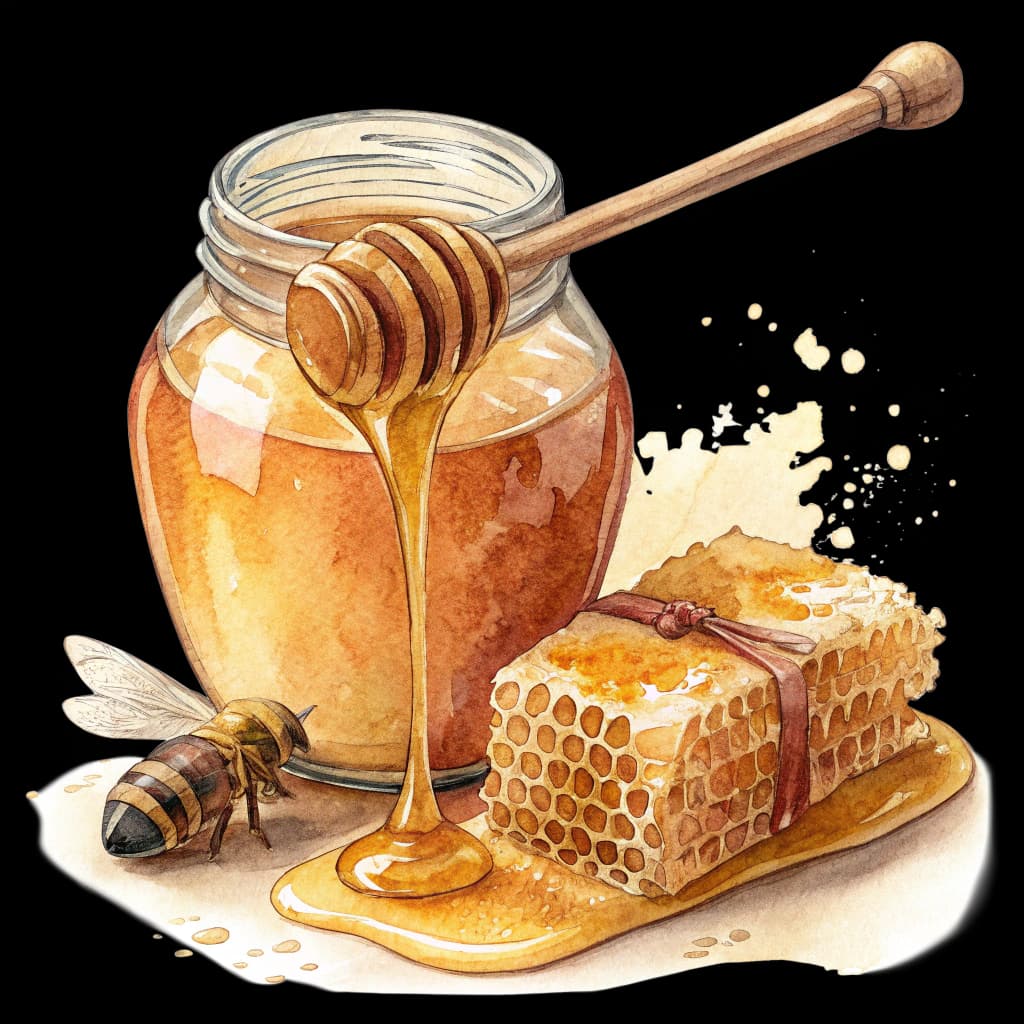
- 3 tbsp honey
- 1/4 tsp fine sea salt
- 2 cups strawberries – hulled and sliced (~29 medium strawberries)
- 2 cups seedless grapes – halved
- 2 cups pineapple – cut into 0.75-inch cubes
- 2 cups cantaloupe – cut into 0.75-inch cubes (~0.5 medium cantaloupes)
- 1 cup blueberries – rinsed and patted dry
- 1 cup kiwi – peeled and sliced (~2.5 medium kiwis)
- 1 cup banana – sliced (~2 medium bananas)
- fresh mint leaves – chopped (for serving)

Instructions
1. In a large mixing bowl, whisk together the orange juice, lime juice, honey, and salt until the honey is fully dissolved.
2. Prep the fruit: hull and slice the strawberries; halve the grapes; cut the pineapple and cantaloupe into 0.75-inch cubes; rinse and pat dry the blueberries; peel and slice the kiwi; slice the banana.
3. Add the pineapple, cantaloupe, grapes, and strawberries to the bowl with the dressing and toss gently to coat.
4. Fold in the blueberries and kiwi, taking care not to crush the fruit.
5. Cover and chill 15–30 minutes, until the fruit releases some juices and the salad looks lightly glossy.
6. Just before serving, fold in the banana. Taste and adjust with a bit more lime juice or honey if needed. Transfer to a chilled serving bowl and sprinkle with chopped mint.
Fruit salad is a bright, juicy mix of seasonal fruits lightly dressed to enhance their natural sweetness. The best versions balance tart and sweet elements—citrus, berries, and melon—so every bite feels refreshing rather than cloying. A subtle dressing and a gentle toss keep the textures intact, creating a colorful side that works for breakfasts, picnics, and potlucks alike.
Across cultures, mixed fruit dishes have long histories under many names, from macedonia in parts of Europe to ensalada de frutas throughout Latin America and salpicón de frutas in the Spanish-speaking world. In the United States, 19th- and early 20th-century cookbooks popularized fruit cups and citrus-dressed salads, later spawning sweeter variants like ambrosia. Today, the core idea remains the same: showcase ripe fruit with minimal adornment so the produce leads.