
Duxelles

Ingredients

&w=3840&q=75)
&w=3840&q=75)
- 16 ounces cremini mushrooms – cleaned and finely chopped (~25 medium cremini mushrooms)
- 3 tbsp unsalted butter
- 1/2 cup shallots – finely minced (~2.5 medium shallots)
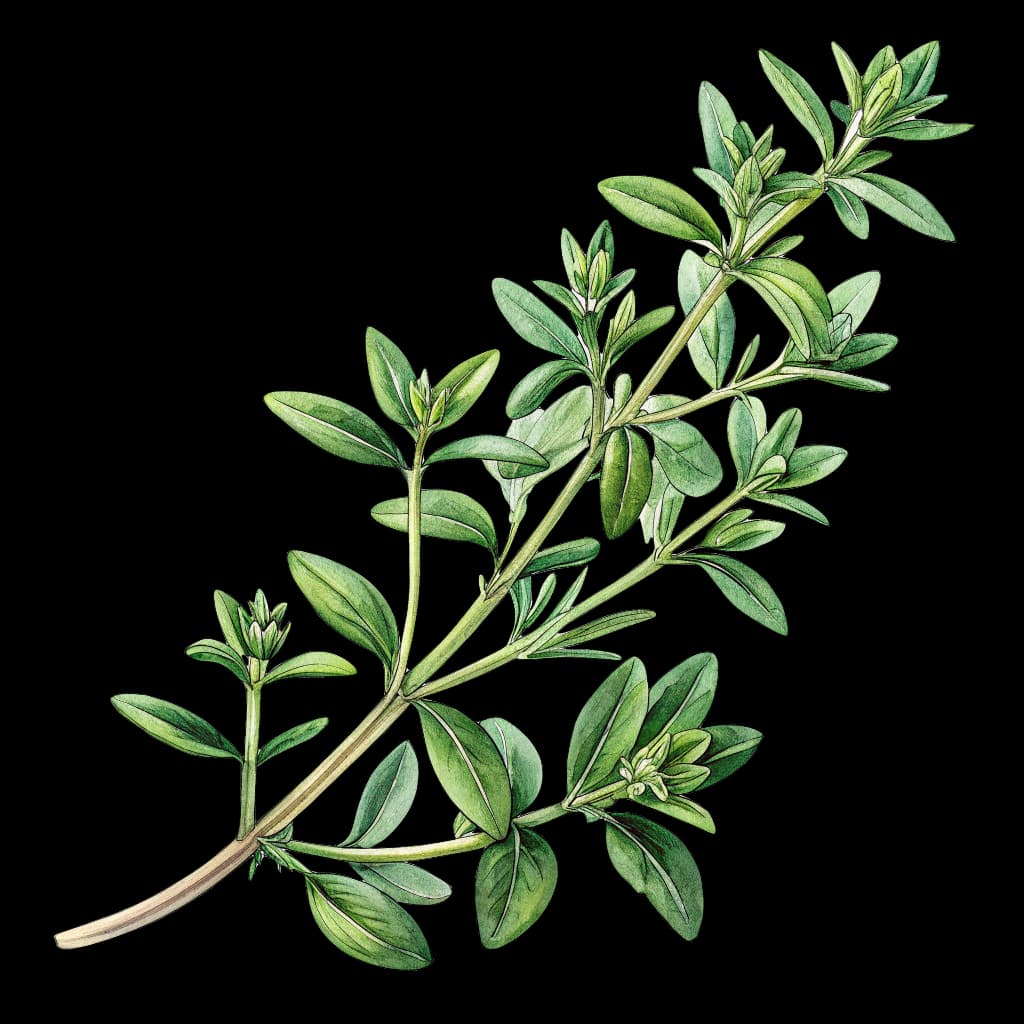
- 1 tsp fresh thyme – finely chopped
- 3/4 tsp fine sea salt
- 1/4 tsp black pepper – freshly ground
- 2 tbsp flat-leaf parsley – finely chopped

Instructions
1. Clean the mushrooms, removing any grit with a damp towel. Finely chop by hand or pulse in a food processor to tiny, rice-sized pieces, taking care not to puree.
2. Melt the butter in a wide skillet over medium heat. Add the shallots and cook, stirring, until translucent and tender without browning, 3–4 minutes.
3. Add the chopped mushrooms and thyme. Sprinkle over about half of the salt and cook, stirring, until the mushrooms release their liquid, 5–7 minutes.
4. Reduce heat to medium-low and continue cooking, stirring frequently, until all liquid has evaporated and the mixture turns pasty, sizzles in the fat, and leaves a dry film on the pan, 8–12 minutes.
5. Season with the remaining salt and the black pepper. Cook 1 minute more to meld flavors.
6. Stir in the parsley, then taste and adjust seasoning. Let cool completely before using, or refrigerate in an airtight container for up to 4 days.
Duxelles is a finely chopped mushroom preparation gently cooked with shallots and butter until the moisture concentrates into a savory, aromatic paste. The texture is soft and cohesive, with tiny mushroom bits that spread easily yet hold their shape. Fragrant thyme and a bright finish of parsley lift the deep umami flavor, making it an elegant building block for many dishes.
Historically French, duxelles has long served as a classic garnish and filling in haute cuisine. It is famously used to encase beef in pastry for Beef Wellington, tucked into omelets, folded into sauces, or spread under roasts to enrich pan drippings. Its technique-driven character—careful mincing and slow reduction—reflects the 17th–18th century French kitchen, where cooks transformed humble mushrooms into a refined, versatile component.