
Congee

Ingredients
&w=3840&q=75)
&w=3840&q=75)
&w=3840&q=75)
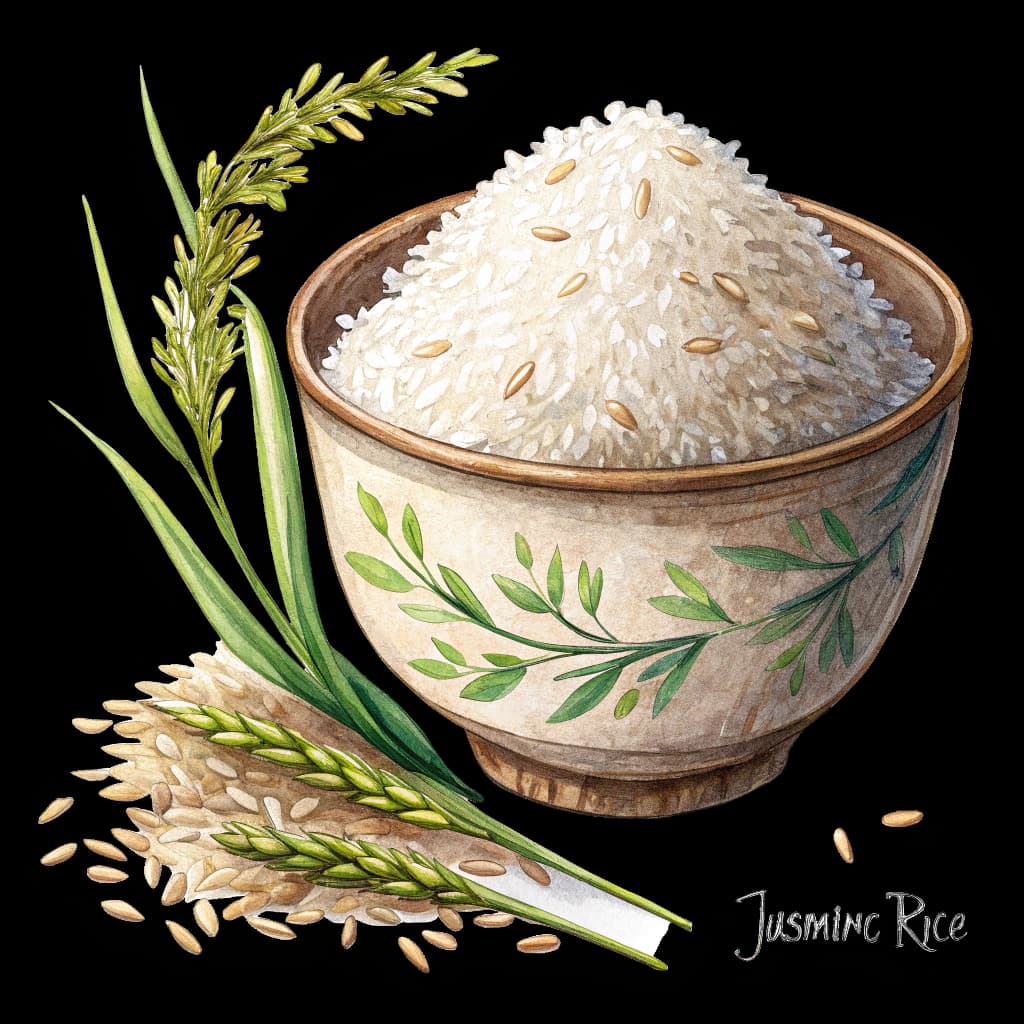
- 1 cup jasmine rice – rinsed
- 12 cups water – divided
- scallions – thinly sliced (for serving)
- ginger – julienned (for serving)
- light soy sauce – for serving
- white pepper – ground (for serving)
- toasted sesame oil – for serving

Instructions
1. Rinse the jasmine rice in a fine-mesh sieve under cold water, swishing with your hand until the water runs mostly clear, 30–60 seconds; drain well.
2. Measure 12 cups of water. In a heavy pot (at least 4-quart), combine the rinsed rice with 10 cups of the water; keep the remaining 2 cups hot in a kettle or small pot for adjusting later.
3. Bring to a boil over high heat. Once boiling, stir vigorously for 30–60 seconds, scraping the bottom to prevent sticking and to release starch.
4. Reduce heat to low and maintain a gentle simmer. Partially cover with the lid slightly ajar. Simmer 60–75 minutes, stirring every 10 minutes and scraping the bottom, until most grains have burst and the porridge is creamy and spoon-coating.
5. Adjust consistency with some of the reserved hot water if thicker than you like; or simmer uncovered a few minutes if too thin. Off heat, whisk the congee briskly for 15–30 seconds to polish the texture.
6. Ladle hot into bowls. Serve with scallions, ginger, light soy sauce, white pepper, and toasted sesame oil to taste.
Congee is a gently simmered rice porridge prized for its soothing, creamy texture and subtle, comforting flavor. It’s warm, soft, and easy to digest, making it a staple for breakfast and a restorative meal when you want something light yet satisfying. The base is intentionally simple so it can welcome a spectrum of toppings and seasonings, from aromatic oils and peppers to fresh herbs and pickles.
Across the Sinosphere it goes by many names—zhou in Mandarin, jook in Cantonese, and xi fan in northern dialects—and it has countless regional styles. Cantonese versions are often very silky and cooked until the grains nearly dissolve, while Teochew styles can be looser with more distinct grains. Over centuries it spread throughout East and Southeast Asia, influencing comforting rice porridges like okayu in Japan and cháo in Vietnam, and it remains a cultural touchstone for everyday meals and festive tables alike.