
Citrus Salad

Ingredients
&w=3840&q=75)
&w=3840&q=75)
&w=3840&q=75)
- 4 pieces oranges – peeled and sliced into rounds
- 1 piece fennel bulb – trimmed and thinly sliced
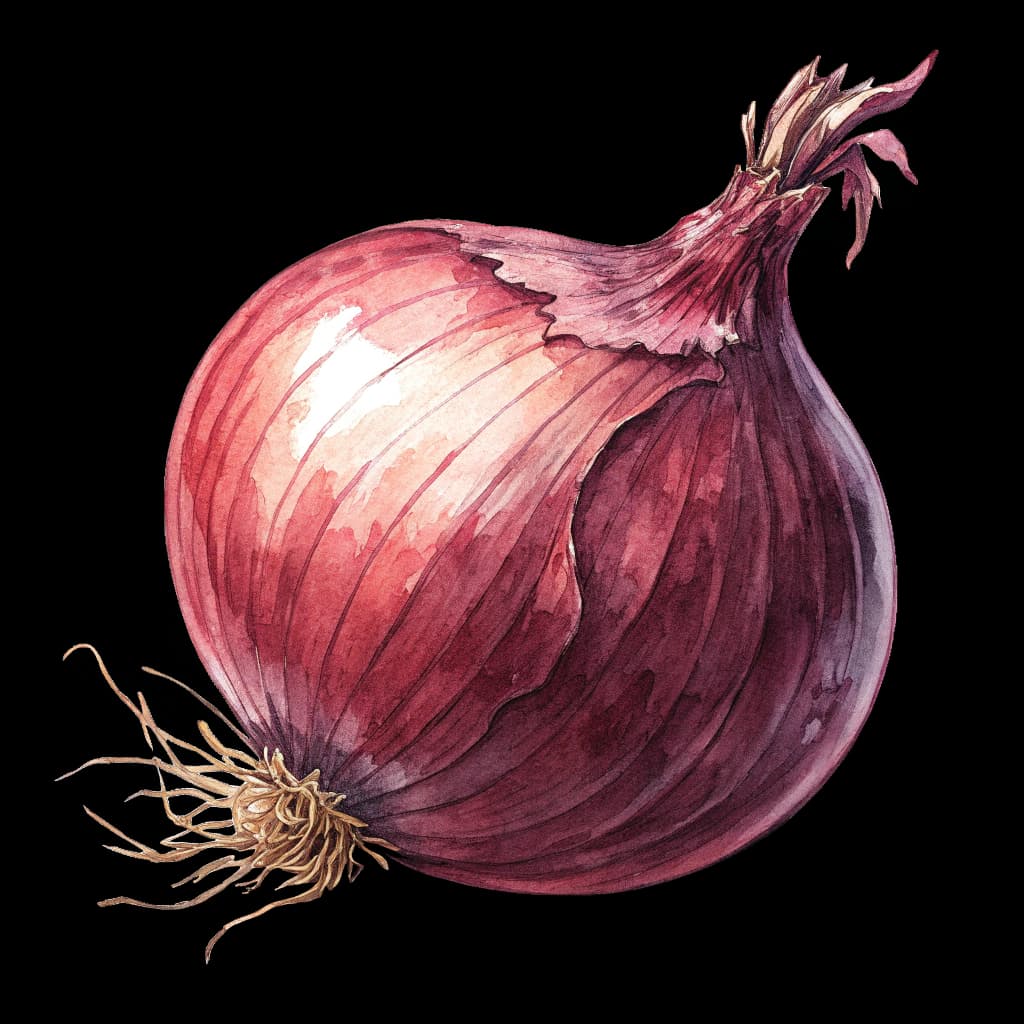
- 1/4 piece red onion – thinly sliced
- 1/2 cup pitted black olives
- 2 tbsp extra-virgin olive oil
- 1/2 tsp kosher salt
- 1/4 tsp black pepper – freshly ground

Instructions
1. Trim the fennel, discarding tough outer layers, then halve the bulb and thinly slice it crosswise. Thinly slice the red onion and set both aside.
2. Slice a thin disk from the top and bottom of each orange. Stand an orange upright and cut downward to remove peel and white pith. Slice crosswise into 0.5-inch rounds, repeating with all oranges and saving any juices.
3. Arrange the orange rounds slightly overlapping on a large platter and spoon any collected juices over them.
4. Scatter the sliced fennel and red onion evenly over the oranges, then add the pitted black olives.
5. Drizzle extra-virgin olive oil over the salad and season with kosher salt and freshly ground black pepper to taste. Serve right away or let stand 5–10 minutes to meld flavors.
Citrus salad is a bright, refreshing plate built from juicy slices of citrus dressed simply to let their natural sweetness and acidity shine. The combination of crisp fennel, mild bite from red onion, and the salinity of olives creates a balanced interplay of sweet, tart, bitter, and savory. With a generous drizzle of good olive oil and a light seasoning of salt and pepper, it’s a minimalist salad that tastes vivid and clean, perfect for winter when citrus is at its peak.
In Italy, especially Sicily, orange salads have long been a seasonal staple, often served alongside grilled fish or rich meats to cut through heaviness. Traditional versions center on oranges, olive oil, and salt, sometimes adding fennel, onion, or local olives for complexity. Over time, the idea of a citrus salad spread widely, inspiring countless variations, but the Sicilian approach remains influential for its restraint and emphasis on prime fruit.