
Chocolate Custard

Ingredients
&w=3840&q=75)
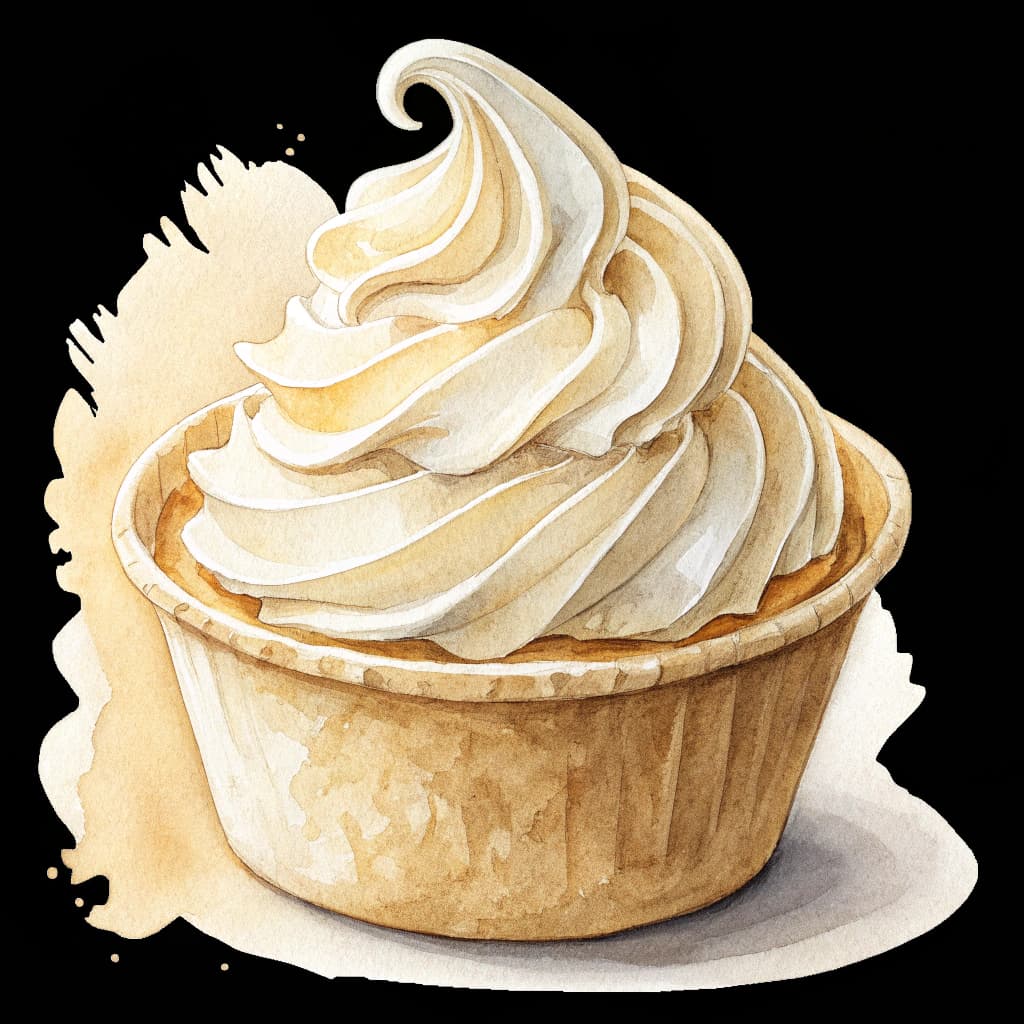
&w=3840&q=75)
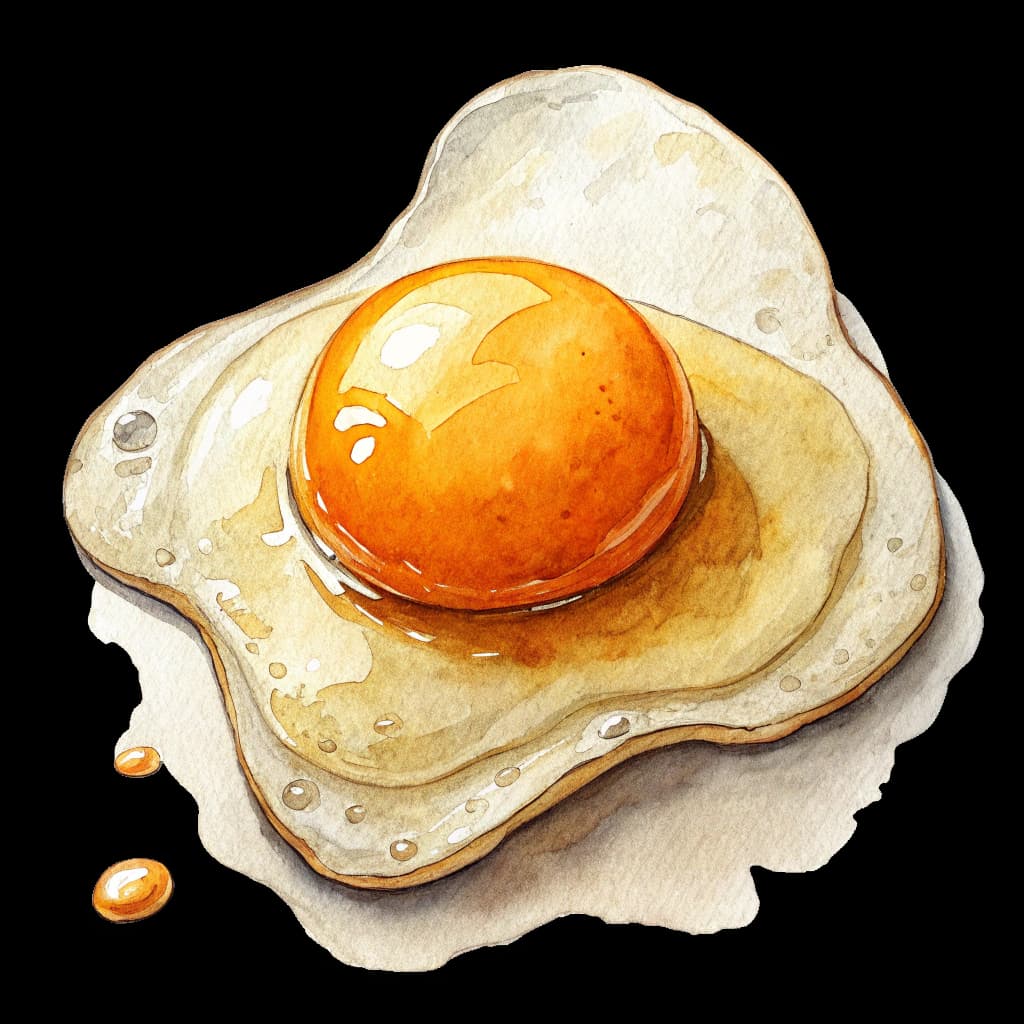
- 7 ounces bittersweet chocolate – finely chopped
- 2 cups heavy cream
- 1 cup whole milk
- 6 egg yolks
- 1/3 cup granulated sugar
- 1/4 tsp fine salt
- 1 tsp vanilla extract

Instructions
1. Heat the oven to 300°F (150°C) and bring a kettle of water to a boil for the water bath. Arrange six 6-ounce ramekins in a deep baking dish.
2. Place the finely chopped chocolate in a heatproof bowl. In a medium saucepan, heat the heavy cream and whole milk over medium heat until steaming and small bubbles form at the edges, 3–5 minutes; do not boil.
3. Pour the hot cream mixture over the chopped chocolate. Let stand 1 minute, then whisk gently until completely smooth.
4. In a separate bowl, whisk the egg yolks, granulated sugar, and fine salt until slightly thickened and lightened in color, 1–2 minutes.
5. Temper the yolk mixture by slowly pouring in the warm chocolate mixture while whisking constantly. Strain the custard through a fine-mesh sieve into a large measuring cup or pitcher, then stir in the vanilla extract.
6. Skim any surface bubbles. Divide the custard evenly among the ramekins. Pour the hot kettle water into the baking dish to come halfway up the sides of the ramekins.
7. Bake until the edges are set but the centers still wobble like gelatin when gently jiggled, 30–35 minutes. Remove the ramekins from the water bath and set on a rack.
8. Cool 30 minutes at room temperature, then refrigerate uncovered until fully chilled and set, at least 2 hours. Serve chilled.
Chocolate custard is a silky, spoonable dessert where bittersweet chocolate is gently set with eggs and dairy for a rich yet delicate texture. The flavor balances deep cocoa notes with subtle sweetness, finishing with a clean, glossy mouthfeel. When baked in a water bath, it delivers a luxurious creaminess that sits between a classic crème anglaise and a dense pudding, making it an elegant but comforting treat.
Custards trace back to medieval Europe, with French technique shaping the modern style of gently cooked egg-thickened creams. Chocolate entered European kitchens after cacao’s arrival from the Americas, and by the 18th century French pots de crème au chocolat had become a hallmark of refined dining. Today, chocolate custard appears across French and Anglo traditions, usually baked in ramekins in a bain-marie and served simply to showcase its pure texture and flavor.