
Almond Milk

Ingredients
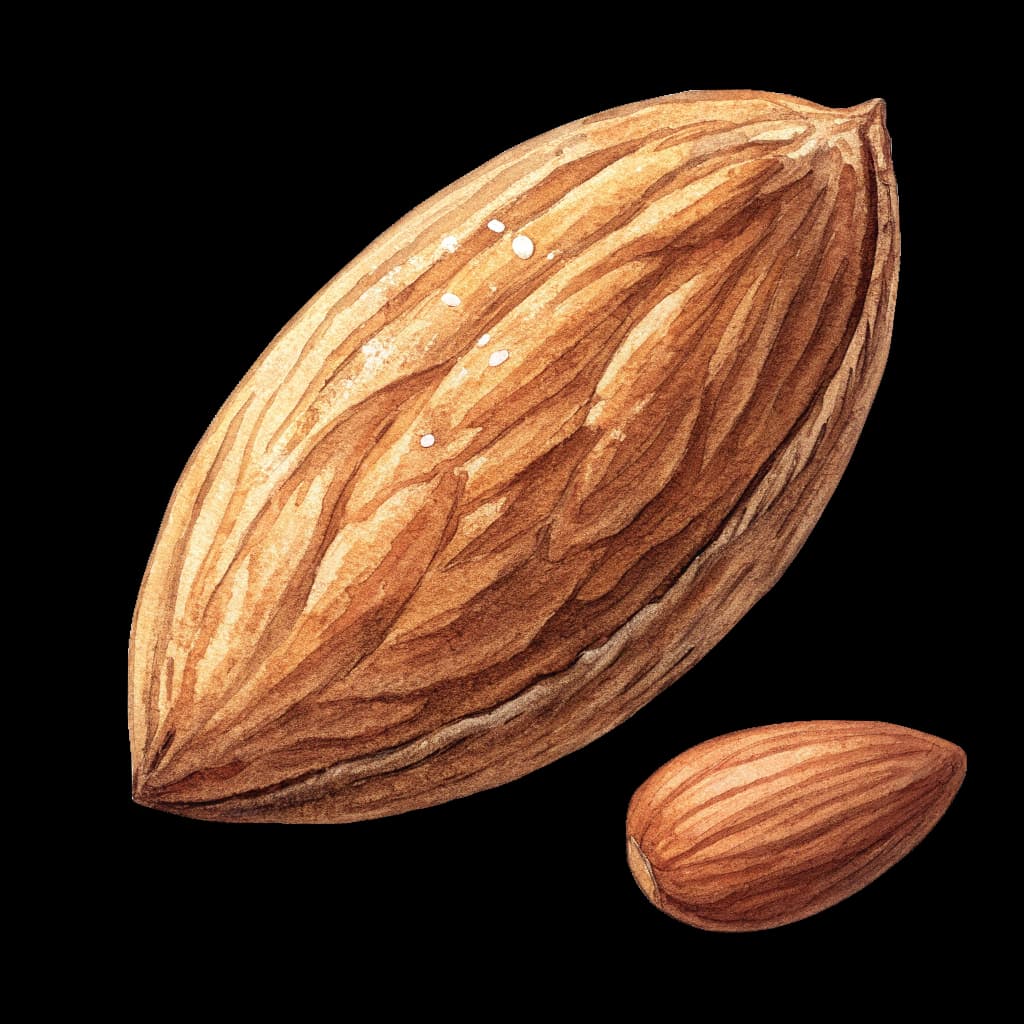
&w=3840&q=75)
- 1 cup raw almonds
- 6 cups water – for soaking (discarded)
- 4 cups water – for blending

Instructions
1. Combine the almonds and the soaking water in a medium bowl. Cover and soak 8–12 hours at room temperature or in the refrigerator until the nuts are swollen and break easily when pinched.
2. Drain and discard the liquid. For a whiter, milder milk, pinch off and discard the almond skins; leaving skins on yields a deeper almond flavor.
3. Transfer the drained nuts to a blender and add the blending water. Blend on high until very fine and frothy, 45–60 seconds; the mixture should look uniformly opaque with no visible grit.
4. Strain through a nut milk bag or a fine-mesh sieve lined with a double layer of cheesecloth set over a bowl. Squeeze firmly until the pulp feels nearly dry, 2–3 minutes.
5. Pour the almond milk into a clean bottle or jar. Chill at least 1 hour, then refrigerate up to 4–5 days; shake before each use as natural separation will occur. Reserve the squeezed almond pulp for baking or smoothies if desired.
Almond milk is a smooth, lightly nutty plant-based beverage made by blending almonds with water and straining the mixture to a silky, pourable consistency. Its clean flavor and gentle sweetness make it versatile in cereals, smoothies, and baking, and it steams acceptably for coffee with a light body. Thickness is easy to customize: more almonds yield a richer, dessert-like milk, while more water makes a lighter, thirst-quenching drink.
Historically, almond milk appears throughout medieval Arab cookery and spread widely across the Mediterranean and Europe, prized for its keeping qualities before refrigeration. In Christian Europe it became a staple during Lent and on fast days when dairy was avoided, and cooks valued it as a refined base for sauces, porridges, and sweets. Modern interest has surged for dietary and environmental reasons, yet the core technique—soak, grind, and strain—remains essentially unchanged from its centuries-old roots.