
English Muffin

Ingredients
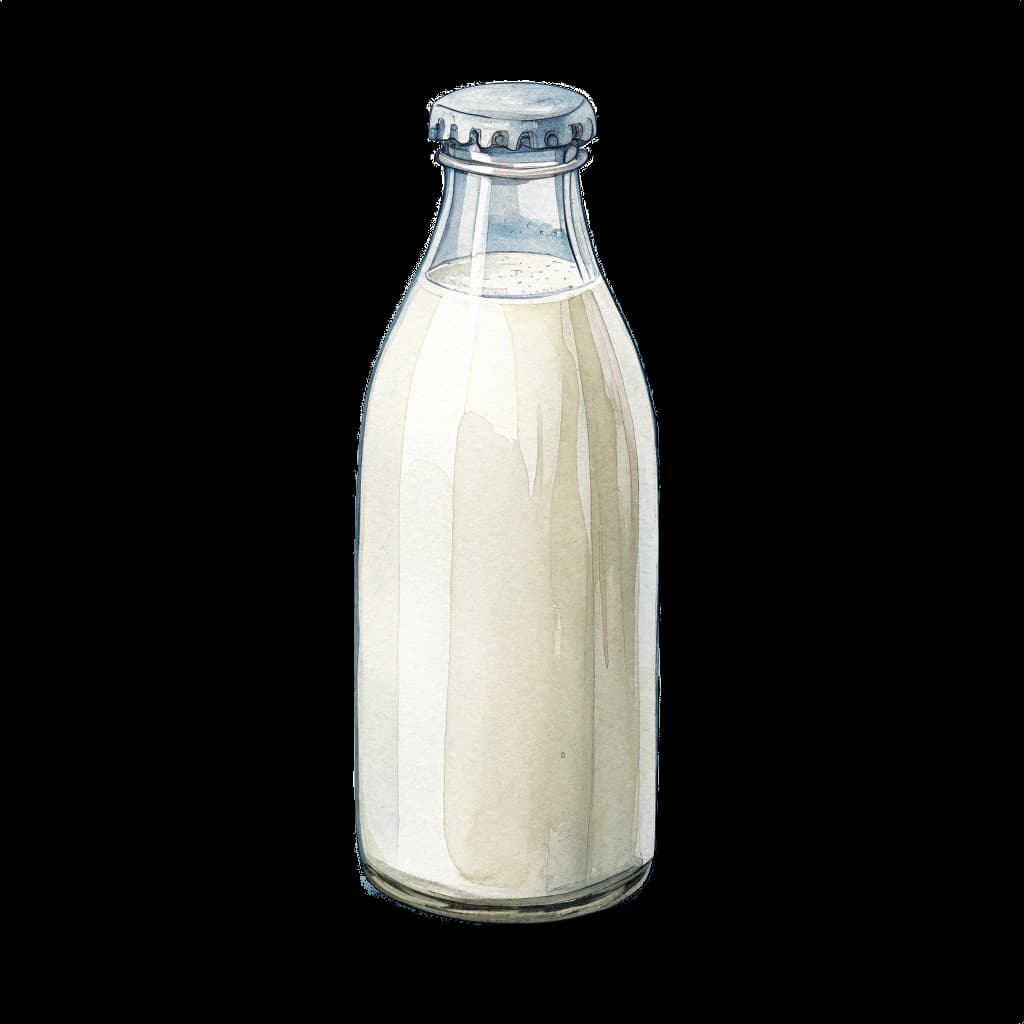


- 1 cup whole milk – warm (105–110°F)
- 1/2 cup water – warm (105–110°F)
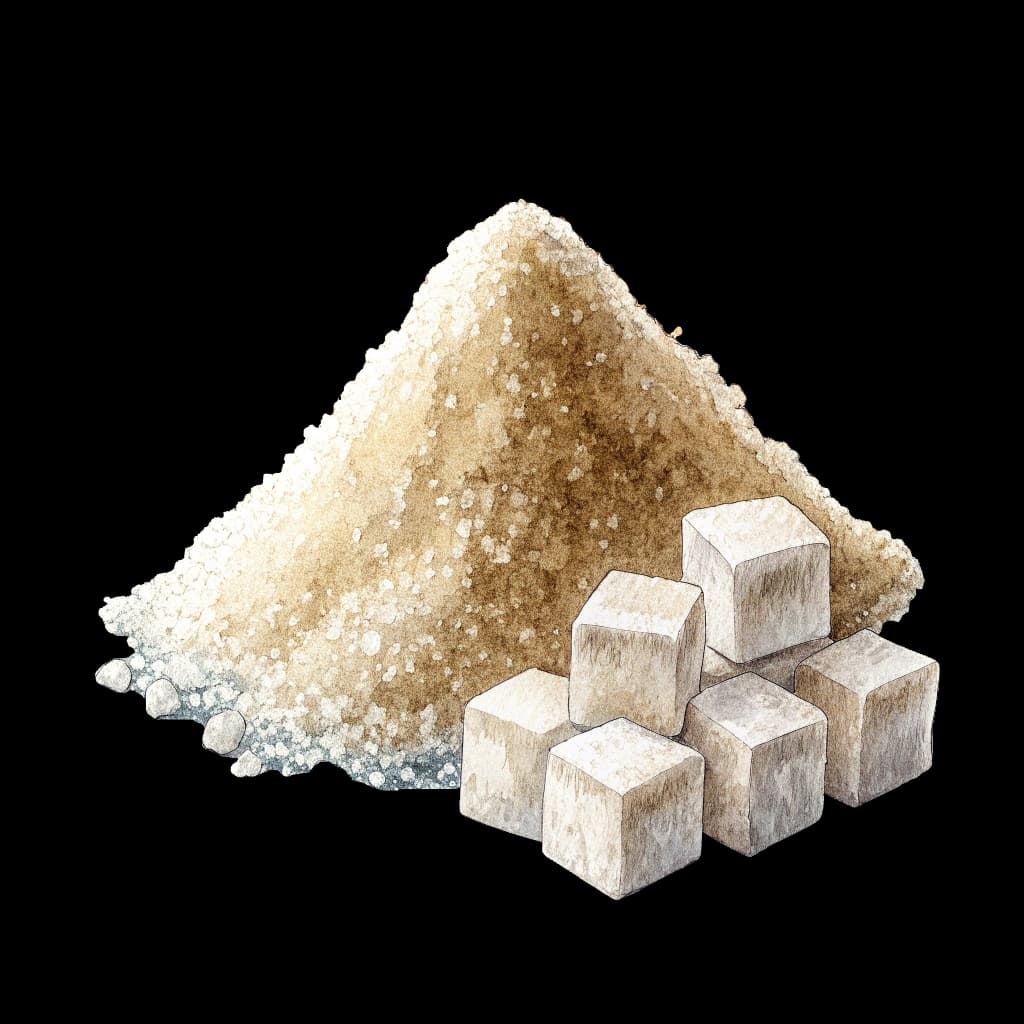
- 1 tablespoon granulated sugar
- 2 1/4 teaspoons active dry yeast
- 3 1/2 cups bread flour
- 1 1/2 teaspoons kosher salt
- 3 tablespoons unsalted butter – melted and cooled
- 1/4 cup cornmeal – for dusting
- 1 tablespoon neutral oil – for greasing the pan

Instructions
1. In a large bowl, combine the warm whole milk, warm water, and granulated sugar; sprinkle the active dry yeast over the top, stir, and let stand until foamy, 5–10 minutes.
2. Add the melted and cooled unsalted butter, bread flour, and kosher salt; mix until a shaggy dough forms, then knead by hand or in a mixer until smooth and elastic, 8–10 minutes.
3. Lightly grease a medium bowl with the neutral oil, add the dough, turn to coat, and cover; keep the remaining neutral oil to lightly grease your hands and the skillet later. Let rise in a warm place until doubled in size, 60–90 minutes.
4. Spread the cornmeal evenly over a rimmed baking sheet. Turn the dough out, divide into 8 equal pieces, shape each into a tight ball, then gently flatten to about 3 inches wide and 0.75 inch thick, pressing each piece into the cornmeal so both sides are coated. Cover and let rise until noticeably puffy, 30–45 minutes.
5. Heat a heavy skillet or griddle over medium-low until evenly hot; lightly grease the surface. Place the muffins on the skillet with space between them and cook until the bottoms are deeply golden, 6–8 minutes; flip and cook the second side 6–8 minutes more, adjusting the heat to prevent burning.
6. Check doneness: an instant-read thermometer inserted into the side should read 200–205°F, or the sides should feel set and the muffins should sound hollow when tapped. If browned but underdone, lower the heat and cook 2–4 minutes per side more, or transfer to a 350°F oven for 5–7 minutes to finish.
7. Transfer to a wire rack and cool 10 minutes. Split with a fork for nooks and crannies, then toast and serve.
&w=3840&q=75)

&w=3840&q=75)
&w=3840&q=75)
English muffins are tender, griddled breads with a thin, deeply golden crust and a soft, chewy interior riddled with nooks and crannies that catch butter and preserves. A light dusting of cornmeal adds a delicate crunch and helps prevent sticking on the griddle. They’re a breakfast staple, ideal for toasting and pairing with jam, eggs Benedict, or simple butter.
Originating in Britain, these yeast-leavened muffins were sold by street vendors known as muffin men in the 18th and 19th centuries. Unlike American cupcake-style muffins, they are cooked on a griddle rather than baked as batter in tins. The style crossed the Atlantic and became entrenched in American breakfast culture in the late 19th century, notably popularized by commercial bakeries, while remaining a classic of British tea tables.